
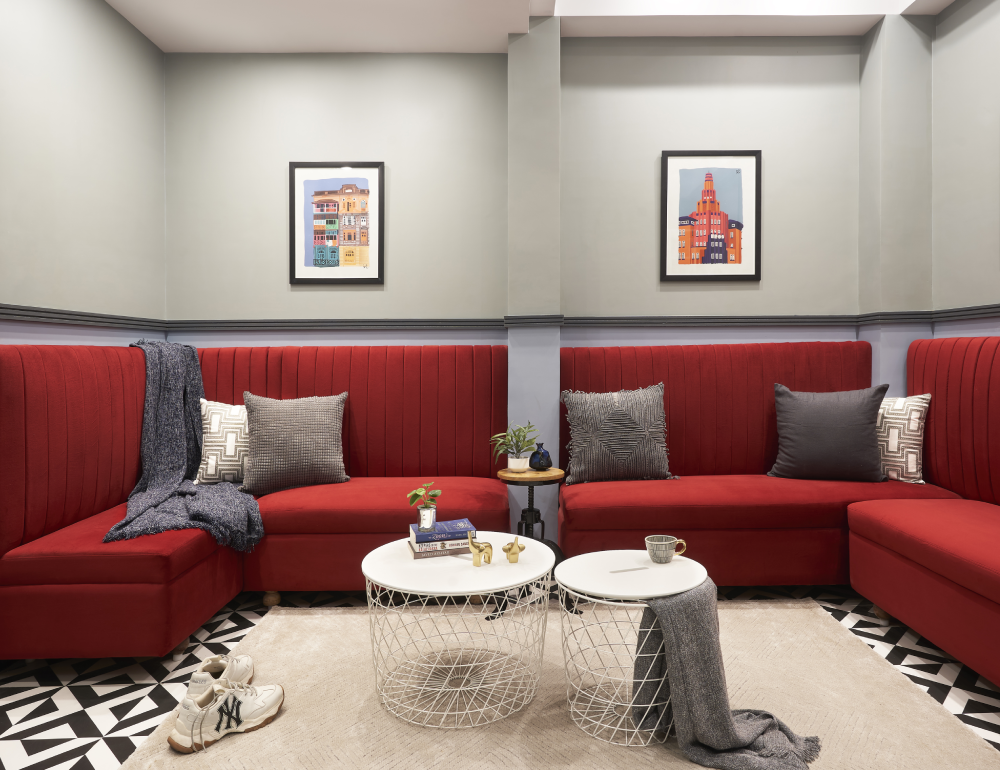
Design is a continuum—an ongoing conversation between heritage and innovation. It evolves not in isolation but through a layering of ideas, materials, and philosophies. From the grounded simplicity of folk art and vernacular traditions to the visionary works of modern designers like Charlotte Perriand and Pierre Jeanneret, the story of design is one of adaptation, expression, and meaning.
At the heart of this narrative lies folk art, one of the earliest forms of design expression. It is deeply rooted in community life, shaped by customs, rituals, and shared knowledge. Unlike formal art, folk creations are not driven by trends or theory but by purpose and tradition. Each object—whether a handwoven textile or carved wooden tool—embodies cultural identity and lived experience. Folk art teaches us that design begins with people and their stories.
Closely intertwined is vernacular design, which extends these principles into architecture and everyday objects. It arises naturally from local conditions, using materials that are readily available and techniques that have been refined over generations. Vernacular buildings are efficient and sustainable, designed to respond to climate and geography. They are not concerned with style but with function, yet they often possess a quiet beauty born of necessity.
Alpine design is a striking example of this approach. Found in mountainous regions, it reflects the need for warmth, protection, and durability. Wood dominates both structure and decoration, creating interiors that feel grounded and secure. The aesthetic is not imposed but emerges organically from the environment. Alpine design highlights the intimate relationship between place and form.
Rural and rustic furniture further develop this connection. These pieces are characterized by their simplicity, strength, and honesty. Solid wood, visible joints, and natural finishes define their appearance. Rather than striving for perfection, rustic design embraces irregularities, allowing materials to speak for themselves. This results in objects that feel authentic and enduring, rooted in tradition yet relevant today.
In contrast, the work of Dom Hans van der Laan introduces a more conceptual approach. His focus on proportion and spatial harmony led to the development of a unique system based on the “plastic number.” His designs are minimal and meditative, emphasizing balance over ornamentation. Van der Laan’s work demonstrates that design can be both intellectual and deeply experiential.
A similar sense of contemplation can be found in the philosophy of Wabi-Sabi. Originating in Japan, it celebrates imperfection, transience, and the beauty of aging. Objects are valued not for their flawlessness but for their character and history. This perspective encourages a more mindful relationship with design, one that appreciates subtlety and depth rather than surface perfection.
As design enters the modern era, movements like the Amsterdamse School reveal a desire for expression and individuality. This Dutch architectural style is known for its sculptural forms, intricate brickwork, and artistic detailing. Buildings become more than functional spaces; they become visual statements. The Amsterdamse School illustrates how design can evoke emotion and identity.
Art Deco offers a contrasting vision, defined by glamour, geometry, and modernity. Emerging in the early 20th century, it reflects a fascination with progress and technology. Bold patterns, luxurious materials, and sleek finishes characterize this movement. Art Deco is confident and forward-looking, embodying the spirit of a rapidly changing world.
Mid-Century Design shifts the focus back to simplicity and functionality. Influenced by new materials and industrial processes, it emphasizes clean lines, organic forms, and accessibility. Designers sought to create objects that were both beautiful and practical, making good design available to a wider audience. This movement remains influential, shaping contemporary aesthetics.
Brazilian design adds warmth and cultural richness to modernist ideas. By incorporating local materials and traditional craftsmanship, it creates a more tactile and inviting aesthetic. Designers in Brazil often blend modern forms with natural elements, resulting in pieces that feel both innovative and grounded. This approach highlights the importance of cultural context in design.
The work of Pierre Chapo exemplifies a commitment to craftsmanship. His furniture is robust and structured, with an emphasis on joinery and material integrity. Chapo’s designs reveal how objects are made, turning construction into an aesthetic feature. His work bridges the gap between traditional techniques and modern sensibilities.
Charlotte Perriand brought a human-centered approach to modern design. She emphasized comfort, functionality, and a connection to nature. Her use of natural materials and open spaces reflects a belief that design should enhance everyday life. Perriand’s work remains a cornerstone of modern design thinking.
Functional art represents a broader philosophy that unites many of these ideas. It challenges the separation between art and utility, suggesting that objects can be both useful and expressive. This concept is evident in the works of designers like Jean Prouvé, whose creations combine structural efficiency with aesthetic clarity.
The contributions of Afra Scarpa and Tobia Scarpa highlight the elegance of Italian design. Their work blends technical precision with rich materials, creating pieces that are both refined and functional. They demonstrate how tradition and innovation can coexist.
Mario Bellini represents a more contemporary perspective, exploring new forms and technologies. His designs are versatile and forward-thinking, reflecting the changing needs of modern life. One of his most iconic creations, the Camaleonda sofa, exemplifies flexibility and adaptability. Its modular structure allows users to reconfigure it according to their needs, making it a dynamic element within a space.
The work of George Nakashima offers a deeply philosophical approach to design. By preserving the natural edges and forms of wood, he celebrates the inherent beauty of materials. His furniture reflects a spiritual connection to nature, aligning closely with the principles of Wabi-Sabi.
Finally, Pierre Jeanneret demonstrates how modern design can adapt to different cultural contexts. His furniture, often created for large architectural projects, is simple, functional, and made using local materials. Jeanneret’s work bridges the gap between global modernism and regional identity.
Together, these movements and designers form a rich and interconnected narrative. They show how design evolves through dialogue—between tradition and innovation, between local identity and global influence. Each approach offers a different way of understanding the relationship between people and the objects they create.
In the end, design is not just about form or function; it is about meaning. It shapes our environments, influences our behaviors, and reflects our values. From the handcrafted authenticity of folk art to the adaptable innovation of modern design, it remains a powerful expression of human creativity—always evolving, yet always connected to its roots.

FURTHER READING...








Latest - post




CONTACT US
Category
- blog (609)
- BUSINESS (9)
- Environment (8)
- Finance, Credit (1)
- Finance, Currency Trading (1)
- Finance, Investing (1)
- Finance, Loans (1)
- Games (7)
- Home (103)
- Home & Family, Home Improvement (1)
- Internet Business, Audio-Video Streaming (1)
- Internet Business, Ecommerce (1)
- Internet Business, Email Marketing (2)
- Internet Business, Security (1)
- Internet Business, Web Design (1)
- Marketing (11)
- Medical (11)
- News (38)
- news2026 (3)
- PERSONAL GROWTH (20)
- RELATIONSHIP (7)
- SOFTWARE (17)
- Television (1)
- Test (1)
- travel (5)
- Uncategorized (1)
