
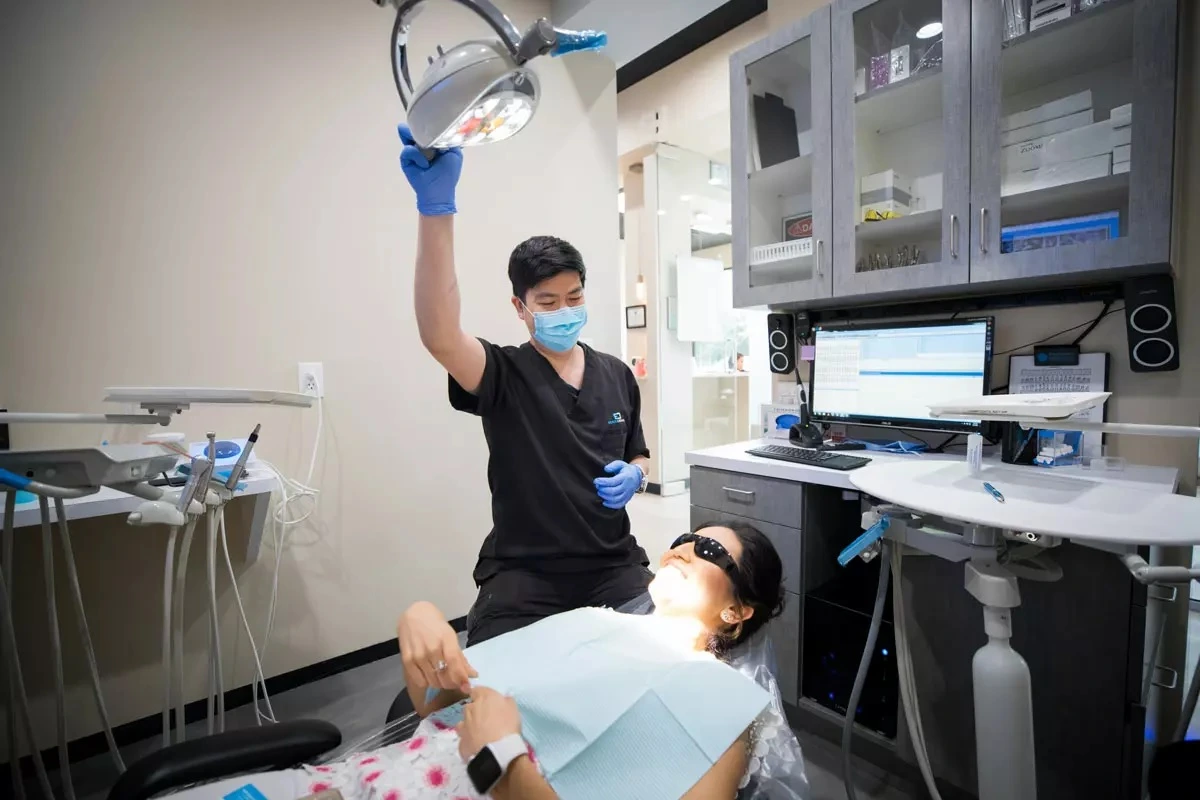
Dentures and implants are two of the most common solutions used to replace missing teeth and restore a healthy smile. Both options improve chewing ability, speech, and facial appearance, but they work in very different ways.
Dentures are removable appliances that sit on the gums and replace missing teeth. A dentist customizes them to fit the shape of your mouth. They can be full dentures, replacing all teeth, or partial dentures, replacing only a few missing teeth.
Dental implants, on the other hand, are permanent fixtures placed into the jawbone. A small titanium post acts like a tooth root, and a crown is attached on top. This creates a strong, natural-looking replacement tooth that functions like a real one.
When comparing dentures and implants, patients often choose based on comfort, durability, and long-term oral health goals.
How Long Do Dentures and Implants Typically Last?
The lifespan of dentures and implants varies significantly depending on care, oral hygiene, and lifestyle habits.
Dentures usually last between 5 to 10 years. Over time, the shape of the gums and jawbone changes, which can cause dentures to loosen or become uncomfortable. Regular adjustments or replacements are often needed to maintain a proper fit.
Dental implants are designed to be a long-term or even lifelong solution. With proper care, implants can last 15 years or more, and in many cases, they last a lifetime. The crown attached to the implant may need replacement after 10–15 years due to normal wear and tear, but the implant post itself remains stable.
Patients choosing between dentures and implants should understand that implants offer greater longevity, while dentures provide a more affordable and non-surgical option.
At Edge Dental, patients receive personalized guidance to help them choose the most suitable solution based on their oral condition and long-term goals.
What Factors Affect the Lifespan of Dentures and Implants?
Several factors influence how long dentures and implants last. Understanding these can help patients maximize their investment in oral health.
For dentures, poor cleaning habits can lead to staining, odor, and bacterial buildup. Dropping dentures can also cause cracks or breakage. Additionally, natural bone changes in the mouth can affect fit over time.
For implants, oral hygiene plays a critical role. Patients who brush and floss regularly reduce the risk of gum disease, which can threaten implant stability. Smoking, uncontrolled diabetes, and poor bone health can also reduce implant success rates.
Regular dental checkups at clinics like Edge Dental help ensure early detection of any issues affecting dentures and implants, extending their lifespan significantly.
How Can You Make Dentures and Implants Last Longer?
Proper care is essential for extending the life of both dentures and implants. Daily maintenance routines make a significant difference in durability and comfort.
For dentures, patients should remove and clean them daily using a soft brush and non-abrasive cleanser. Soaking them overnight helps maintain their shape and hygiene. It is also important to handle them carefully to avoid accidental damage.
For implants, brushing twice daily, flossing around the implant area, and using antibacterial mouthwash helps prevent plaque buildup. Regular professional cleanings are also important to maintain gum health.
Avoiding hard foods, quitting smoking, and maintaining a balanced diet further improves the lifespan of both dentures and implants.
At Edge Dental, dentists educate patients on proper maintenance techniques to ensure long-lasting results.
What Are the Advantages of Dentures and Implants?
Both dentures and implants offer unique benefits, depending on the patient’s needs.
Dentures are affordable, non-invasive, and suitable for patients who may not qualify for surgery. They provide a quick solution for multiple missing teeth and can be easily adjusted.
Implants offer unmatched stability, natural appearance, and long-term durability. They prevent bone loss by stimulating the jawbone, which helps maintain facial structure. Unlike dentures, implants do not slip or move while speaking or eating.
When comparing dentures and implants, implants are often considered the more permanent and natural-feeling option, while dentures remain a practical and cost-effective solution.
What Are the Disadvantages of Dentures and Implants?
While both options are effective, they also come with certain limitations.
Dentures may feel uncomfortable initially and require periodic adjustments. Some patients experience difficulty speaking or eating at the beginning. Over time, they may need replacement due to natural changes in the mouth.
Implants require surgery, which may not be suitable for all patients. The process also takes several months to complete due to healing and bone integration. Additionally, implants are more expensive upfront compared to dentures.
Despite these drawbacks, both dentures and implants remain reliable solutions when properly managed under professional care.
How Do Dentures and Implants Compare in Daily Life?
Daily life with dentures and implants feels quite different for most patients.
Dentures need to be removed at night and cleaned separately. Patients may need adhesive creams for better stability. Eating sticky or hard foods can sometimes be challenging.
Implants function like natural teeth, allowing patients to eat, speak, and smile confidently without extra maintenance routines. There is no need for removal, and they feel more secure in the mouth.
Patients at Edge Dental often report higher satisfaction with implants due to their natural feel and convenience.
Why Choose Professional Care for Dentures and Implants?
Professional dental care plays a crucial role in the success of both dentures and implants. Proper diagnosis, fitting, and follow-up care ensure long-lasting results and better oral health outcomes.
Dentists evaluate bone density, gum health, and overall oral condition before recommending dentures and implants. This ensures the treatment is safe and effective for each individual.
Clinics like Edge Dental use advanced technology and personalized treatment plans to deliver better comfort, fit, and durability for patients seeking tooth replacement solutions.
Conclusion: How Long Should You Expect Dentures and Implants to Last?
In summary, dentures and implants offer effective solutions for missing teeth, but their lifespan differs significantly. Dentures typically last 5 to 10 years, while implants can last 15 years or even a lifetime with proper care.
Choosing between dentures and implants depends on budget, oral health, and long-term expectations. With proper hygiene, regular checkups, and expert guidance, both options can significantly improve quality of life.
Edge Dental ensures that patients receive the right treatment plan tailored to their needs, helping them achieve a confident and lasting smile.

FURTHER READING...

Why Is Professional Hornet Nest Removal Important for Homeowners?
October 13, 2026
Alibarbar Vape Australia: A Guide to Alibarbar Australia
October 13, 2026






How to Watch Tamil Channels in Germany with Chitram TV
October 12, 2026
Latest - post




CONTACT US
Category
- blog (481)
- Bookkeeping (5)
- Business (419)
- driving (7)
- Environment (5)
- Health (36)
- Home (74)
- Industrial Equipment (1)
- IT Security & Payment Solutions (1)
- lawyer (1)
- Marketing (8)
- Medical (13)
- Panto sunglasses (1)
- Relationship (4)
- Trade Show Displays (1)
- travel (18)
- Wedding Photography&Event (1)
