
Disposable Vapes with Nicotine: A Comprehensive Guide to Formulations, Safety, and Quality Standards
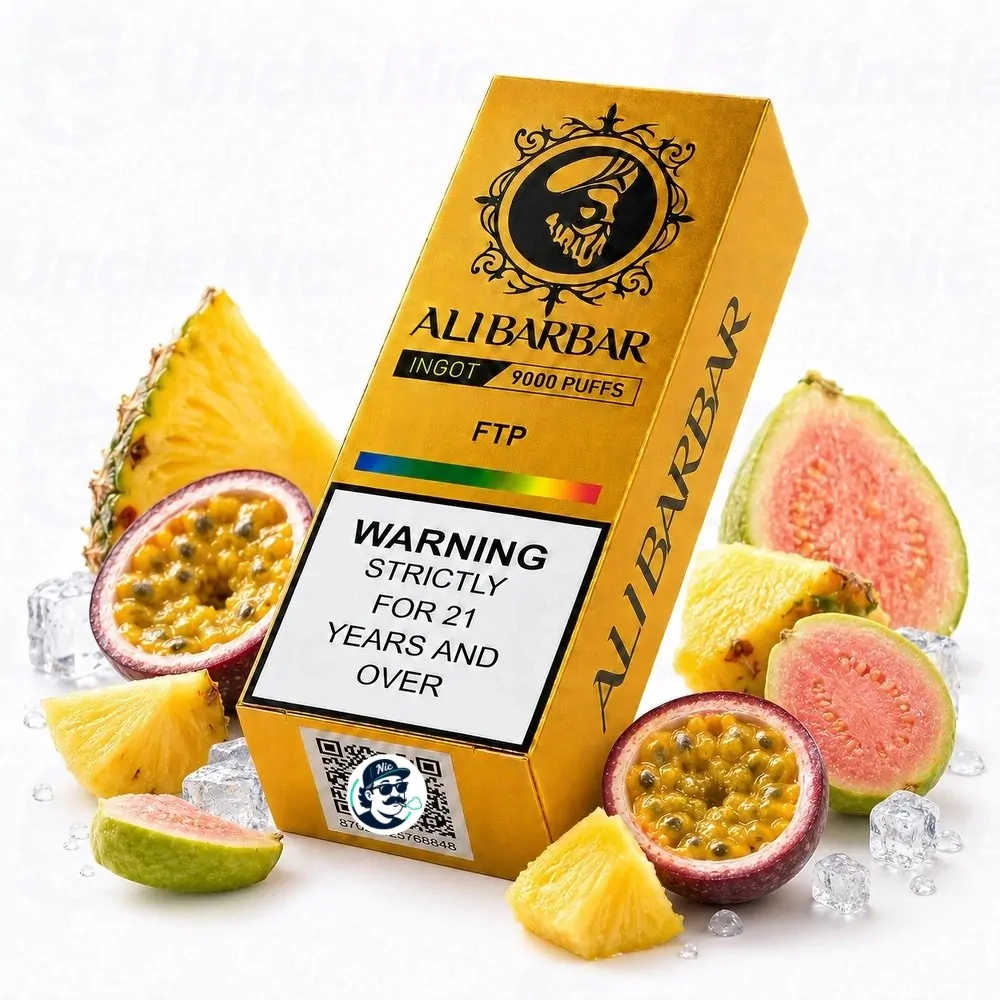
Understanding the role of disposable vapes with nicotine requires looking closely at device mechanics, nicotine delivery methods, and safety standards. For adult smokers considering harm-reduction tools or managing nicotine dependence, single-use and pod-based vaporizers offer a straightforward user experience without complex maintenance.
However, as public health standards and regulatory frameworks evolve, evaluating nicotine content, device build quality, and compliance standards has become critical. Having precise, objective information ensures adult consumers make responsible choices for their personal health and wellbeing.
What Are Disposable Vapes with Nicotine and How Do They Function?
A pre-filled nicotine vaporizer is a compact, self-contained electronic device designed to turn liquid formulation into an inhalable vapor. Unlike open-system tank setups that require manual refilling and coil changes, these devices feature integrated battery units, pre-filled reservoirs, and built-in heating coils.
When the user draws air through the mouthpiece, an automatic sensor activates the internal heating element. This element rapidly heats the liquid solution, vaporizing it into a smooth mist.
┌─────────────────────────────────────────────────────────────┐
│                 Core Anatomy of a Vape Unit                 │
├──────────────────────────────┬──────────────────────────────┤
│ Integrated Power Source      │ Non-removable lithium cell   │
│ Heating Element              │ Micro-coil atomizer          │
│ Liquid Reservoir             │ Pre-filled e-liquid chamber  │
│ Draw-Activated Sensor        │ Airflow pressure switch      │
└──────────────────────────────┴──────────────────────────────┘
Freebase Nicotine vs. Nicotine Salts in Disposable Devices
The choice of nicotine formulation significantly influences the user experience, absorption rates, and overall throat feel. E-liquids generally utilize one of two primary nicotine types:
Freebase Nicotine
Freebase nicotine represents the traditional form of extracted nicotine used in early vaping products. It is chemically unmodified, making it slightly more alkaline.
- Throat Hit: Delivers a stronger, sharper sensation at higher concentrations.
- Absorption Speed: Inters systemic circulation at a steady, moderate pace.
- Usage: Commonly found in lower concentration formulations to avoid excessive harshness.
Nicotine Salts (Nic Salts)
Nicotine salts are created by combining natural freebase nicotine with a mild acid, typically benzoic or citric acid. This neutralizes the pH balance, allowing higher nicotine levels without creating uncomfortable throat irritation.
- Smoother Vapor: Delivers higher nicotine concentrations with minimal harshness.
- Rapid Absorption: Absorbs into the bloodstream faster, mimicking traditional smoking dynamics.
- Battery Efficiency: Requires less power and lower heat settings to operate effectively.
Navigating Regulatory Compliance and Product Standards
Global health authorities and national regulatory bodies oversee the manufacture and distribution of nicotine vaping goods. In Australia, the Therapeutic Goods Administration (TGA) maintains strict regulatory frameworks under standard TGO 110 orders to protect public health and prevent unregulated black-market distribution.
        ┌───────────────────────────────────────────────┐
        │        Key TGA Quality Requirements           │
        └───────────────────────┬───────────────────────┘
                                │
          ┌─────────────────────┴─────────────────────┐
          ▼                                           ▼
┌───────────────────┐                       ┌───────────────────┐
│ Ingredient Caps & │                       │ Plain Packaging & │
│ Flavor Profiles   │                       │ Device Safety     │
└───────────────────┘                       └───────────────────┘
Under established Australian regulations, non-therapeutic commercial single-use vapes are prohibited from retail sale. Adult users seeking harm-reduction options access compliant therapeutic devices through participating pharmacy channels.
Essential Safety Features of Regulated Devices
- Chemical Ingredient Screening: Banning dangerous chemical additives such as diacetyl, acetoin, and vitamin E acetate.
- Flavor Restrictions: Permitting only mint, menthol, and classic tobacco flavors to discourage youth appeal.
- Concentration Caps: Limiting maximum nicotine strength (capped at 50 mg/mL base equivalent) to manage dosage safely.
- Electrical Safety: Enforcing medical-grade quality standards for battery design and thermal protection.
Maximizing Value and Ensuring Responsible E-Waste Disposal
Evaluating long-term value involves looking beyond initial purchase price tags. Closed pod systems, which pair rechargeable battery bases with pre-filled replacement pods, often offer greater cost efficiency and structural reliability compared to traditional single-use designs.
Environmentally Safe Disposal Practices
Because all single-use vaporizers contain internal lithium-ion batteries and electronic circuitry, throwing them into regular household trash creates fire hazards and contributes to toxic landfill contamination.
- E-Waste Drop-Off Points: Take depleted devices to municipal e-waste collection hubs.
- Battery Recycling Programs: Deposit units into dedicated battery recycling bins located at supermarket chains and community centers.
- Pharmacy Take-Back: Return spent therapeutic units to participating pharmacy disposal drop-boxes where available.
Conclusion: Making Informed Choices with Disposable Vapes with Nicotine
Selecting disposable vapes with nicotine demands careful attention to safety compliance, formulation types, and local legal frameworks. By choosing pharmacy-verified therapeutic products rather than uncertified retail goods, adult consumers protect their personal health while remaining fully compliant with health regulations. Sourcing tested devices and practicing responsible e-waste recycling ensures a safe, effective path for managing nicotine dependence.
Frequently Asked Questions (FAQs)
Are disposable vapes with nicotine legal in Australia?
Commercial non-therapeutic disposable vapes are prohibited in Australia. However, adult consumers aged 18 and older can legally purchase compliant therapeutic vaping products solely through participating pharmacies under TGA regulatory standards.
What is the difference between freebase nicotine and nicotine salts?
Freebase nicotine provides a stronger throat hit and is used in lower concentrations, while nicotine salts are pH-neutralized to allow higher concentrations with a smoother inhale and faster absorption.
What flavors are permitted for nicotine vapes in Australia?
Under TGA regulations, therapeutic vaping substances are strictly restricted to mint, menthol, and classic tobacco flavors to curb youth appeal and ensure safety compliance.
Do I need a prescription to buy nicotine vapes at a pharmacy?
Adults 18 and over can access therapeutic vapes with a nicotine strength of 20 mg/mL or less over-the-counter following a consultation with a pharmacist (subject to state laws). Higher concentrations require a doctor’s prescription.
How should I throw away empty nicotine vape devices?
Vape devices contain lithium-ion batteries and must never be placed in standard household trash. Dispose of them at dedicated e-waste recycling collection points or participating pharmacy take-back bins.

FURTHER READING...







Latest - post



CONTACT US
Category
- blog (271)
- Bookkeeping (5)
- Business (204)
- driving (5)
- Environment (5)
- Home (74)
- Industrial Equipment (1)
- IT Security & Payment Solutions (1)
- Marketing (8)
- Medical (13)
- Relationship (4)
- Trade Show Displays (1)
- travel (5)
- Wedding Photography&Event (1)
