
Respirator Welding Helmet: The Ultimate Guide to Safety, Comfort, and Performance
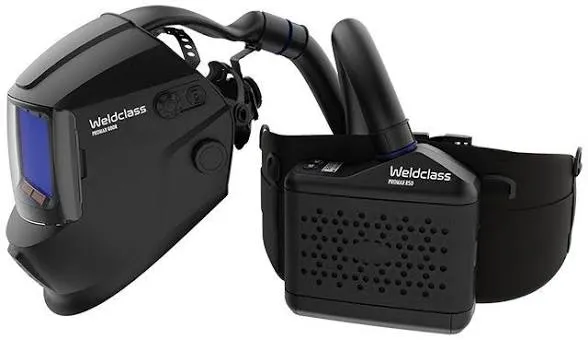
Welding is an essential process in industries such as construction, automotive manufacturing, metal fabrication, and industrial maintenance. However, it also exposes workers to various hazards, including welding fumes, harmful airborne particles, sparks, intense light, and heat. Choosing the right protective equipment is crucial for maintaining workplace safety and improving productivity. A Respirator Welding Helmet combines welding face and eye protection with respiratory protection, helping welders work more safely in demanding environments.
In this blog, we will explore the benefits, features, applications, and important considerations when choosing a welding helmet with integrated respiratory protection.
What Is a Respirator Welding Helmet?
A Respirator Welding Helmet is a specialized piece of personal protective equipment (PPE) designed to protect a welder’s face, eyes, and respiratory system. Unlike a conventional welding helmet, which primarily protects against ultraviolet radiation, infrared radiation, sparks, and spatter, a respirator-equipped model also helps reduce exposure to hazardous airborne contaminants.
Many advanced systems use a powered air-purifying respirator (PAPR). This system draws ambient air through suitable filters and delivers filtered air to the helmet or headpiece. Depending on the model, the equipment may include an auto-darkening lens, adjustable airflow, a rechargeable battery, and replaceable filters.
The exact level of protection depends on the respirator design, filter type, fit, maintenance, and suitability for the working environment.
Benefits of a Welding Helmet With Respirator
Investing in a Welding Helmet With Respirator can provide several important advantages for professional welders and industrial businesses.
1. Improved Respiratory Protection
Welding fumes can contain fine particles and metals that may pose serious health risks when inhaled. A suitable respirator system helps reduce exposure to these contaminants when selected and used correctly. This is particularly important in fabrication shops, manufacturing facilities, and workplaces where welding occurs regularly.
However, respirators must be selected according to the specific hazards present. Some environments may require additional ventilation, specialized filters, or different respiratory protection.
2. Enhanced Eye and Face Safety
Welding produces intense light, sparks, and hot metal particles that can injure the eyes and face. A quality welding helmet provides a protective barrier against these hazards.
Many modern models feature auto-darkening filters that automatically adjust the lens shade when an arc is detected. This feature can improve convenience by reducing the need to repeatedly raise and lower the helmet between tasks.
3. Greater Comfort During Long Shifts
Traditional protective equipment can become uncomfortable during extended welding sessions. A well-designed welding helmet with respirator may offer adjustable headgear, balanced weight distribution, and controlled airflow.
These features can help reduce discomfort and make it easier for welders to maintain concentration throughout their shifts. Choosing the correct helmet size and ensuring compatibility with other PPE are also important.
4. Increased Productivity
A comfortable and convenient protective system can support smoother workflows. Auto-darkening technology, accessible controls, and suitable airflow may help welders transition between tasks more efficiently.
Although protective equipment alone cannot guarantee higher productivity, selecting equipment suited to the job can improve the overall working experience.
Key Features to Consider Before Buying
When comparing a Welding Helmet With Respirator, evaluate the following features carefully.
Respiratory filtration: Check whether the system is appropriate for the welding materials, fumes, and contaminants present in your workplace. Confirm the filter classification and replacement requirements.
Auto-darkening technology: Look for suitable shade ranges, dependable arc detection, and sensitivity adjustments that match your welding process.
Airflow performance: For powered respirators, check the manufacturer’s specified airflow, battery runtime, and low-airflow warning features.
Comfort and fit: Adjustable headgear, manageable weight, and compatibility with safety glasses, hearing protection, and other PPE can make a significant difference.
Lens quality and visibility: Clear optics and an appropriate viewing area can support accurate weld placement and help reduce eye strain.
Maintenance requirements: Consider filter availability, battery charging, cleaning procedures, and the ease of replacing worn components.
Applications of Respirator Welding Helmets
Respirator welding helmets are useful in a variety of industrial environments where welding fumes and other airborne contaminants may be present.
Common applications include:
- Metal fabrication: Supporting welders working with steel, stainless steel, aluminum, and other metals.
- Automotive manufacturing: Providing suitable protection during vehicle fabrication, repair, and production activities.
- Construction projects: Helping protect workers involved in structural welding and metal installation.
- Shipbuilding and heavy engineering: Supporting welding operations in demanding industrial environments.
- Manufacturing facilities: Assisting with respiratory and face protection during repetitive welding tasks.
The appropriate system depends on the specific welding process, materials, ventilation conditions, and workplace risk assessment.
How to Maintain Your Welding Helmet With Respirator
Regular maintenance is essential for reliable performance. Inspect the helmet, lens, seals, hoses, and headgear before use. Check batteries and airflow indicators on powered systems, and replace filters according to the manufacturer’s instructions.
Clean reusable components using approved methods, store the equipment in a clean and dry location, and investigate any damage immediately. Never continue using a respirator system that is malfunctioning or fails its required checks.
Employers should also ensure workers receive appropriate training, understand the limitations of their equipment, and follow applicable respiratory protection procedures.
How to Choose the Right Respirator Welding Helmet
Start by identifying the hazards associated with your welding process. Consider the base metal, coatings, consumables, duration of exposure, and effectiveness of existing ventilation. Next, compare compatible respirator systems, lens performance, comfort, and operating costs.
Always verify relevant safety certifications and manufacturer specifications. In the United States, for example, respiratory equipment should meet applicable NIOSH requirements, while welding helmets should satisfy relevant eye and face protection standards. Requirements vary by country, so confirm the standards applicable to your workplace.
Remember that respiratory protective equipment does not replace effective local exhaust ventilation or other necessary exposure controls.
Conclusion
A Respirator Welding Helmet can be a valuable investment for welders who need integrated eye, face, and respiratory protection. By combining suitable filtration with reliable welding protection, these systems can help reduce exposure to airborne contaminants while supporting comfort and efficiency.
When selecting a Welding Helmet With Respirator, prioritize hazard assessment, filtration suitability, fit, visibility, maintenance, and recognized safety standards. The right equipment, combined with effective ventilation and proper training, helps create a safer and more productive welding environment.

FURTHER READING...



Where Can You Find Reliable Snow Shoveling in Windermere Edmonton?
October 10, 2026
How to Choose the Best Phone Repair in Canberra for Your Device
October 10, 2026





Latest - post




CONTACT US
Category
- blog (478)
- Bookkeeping (5)
- Business (400)
- driving (5)
- Environment (5)
- Health (29)
- Home (74)
- Industrial Equipment (1)
- IT Security & Payment Solutions (1)
- lawyer (1)
- Marketing (8)
- Medical (13)
- Panto sunglasses (1)
- Relationship (4)
- Trade Show Displays (1)
- travel (17)
- Wedding Photography&Event (1)
