
Forklifts for Sale Canada: A Practical Guide to Choosing the Right Equipment for Your Business
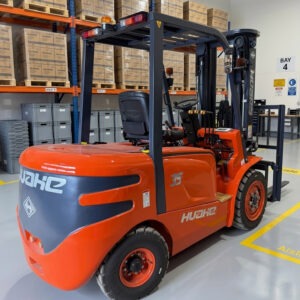
If you’re searching for forklifts for sale Canada, choosing the right machine is one of the most important investments your business can make. Forklifts play a critical role in warehouses, manufacturing facilities, construction sites, and distribution centers by improving productivity, reducing manual handling, and enhancing workplace efficiency.
Today’s market offers a wide range of options, from electric warehouse forklifts to heavy-duty diesel models. Whether you’re a small business looking for affordable forklifts Canada or a growing operation expanding its fleet, understanding the key buying factors will help you make a smart long-term investment.
Why Investing in the Right Forklift Matters
Material handling equipment directly impacts operational efficiency. A forklift that matches your workload can improve productivity while reducing downtime and operating costs.
Businesses commonly use forklifts for:
- Loading and unloading trucks
- Moving pallets in warehouses
- Organizing inventory
- Transporting heavy materials
- Supporting manufacturing operations
- Handling outdoor construction materials
Selecting equipment based on your daily workload rather than price alone often leads to better long-term value.
How to Choose the Best Forklifts for Sale Canada
Finding the right forklift involves more than comparing specifications. Consider your work environment, lifting requirements, and maintenance needs before making a purchase.
Determine Your Load Capacity
Every forklift is designed with a maximum lifting capacity. Purchasing equipment with insufficient capacity can create safety risks and reduce operational efficiency.
Evaluate:
- Average pallet weight
- Maximum load weight
- Future business growth
- Frequency of heavy lifting
Choosing slightly higher capacity than your current needs may provide additional flexibility as your business expands.
Consider the Working Environment
The type of environment determines which forklift is most appropriate.
Indoor operations often benefit from electric forklifts because they produce zero tailpipe emissions and operate quietly.
Outdoor applications typically require diesel or LPG forklifts capable of handling uneven terrain and longer operating hours.
Types of Forklifts Available
Understanding the major categories helps narrow your options.
Electric Forklifts
Electric forklifts are increasingly popular for warehouses and indoor facilities.
Advantages include:
- Lower operating costs
- Quiet operation
- Reduced maintenance requirements
- Zero exhaust emissions
- Excellent maneuverability
These models are especially suitable for businesses focused on sustainability and indoor air quality.
Diesel Forklifts
Diesel forklifts deliver high lifting capacity and reliable performance for demanding outdoor applications.
They are commonly used in:
- Construction sites
- Lumber yards
- Shipping terminals
- Heavy manufacturing
LPG Forklifts
Liquefied petroleum gas (LPG) forklifts provide a balance between indoor and outdoor performance.
They typically offer:
- Fast refueling
- Strong lifting performance
- Longer operating shifts
- Versatile applications
Benefits of Affordable Forklifts Canada
Many buyers assume lower-cost equipment sacrifices quality. However, affordable forklifts Canada are available from reputable suppliers offering dependable equipment suited to a variety of industries.
The key is evaluating value rather than simply choosing the lowest purchase price.
Important considerations include:
- Warranty coverage
- Service availability
- Replacement parts
- Build quality
- Dealer support
- Total cost of ownership
A forklift with slightly higher upfront pricing may reduce maintenance expenses over several years.
Safety Features to Look For
Workplace safety should always be a priority when purchasing material handling equipment.
Modern forklifts often include features such as:
- Operator presence systems
- Overhead guards
- Stability control
- LED work lights
- Backup alarms
- Seatbelt reminders
- Ergonomic controls
Proper operator training remains essential regardless of the equipment’s built-in safety features.
Maintenance Considerations
Routine maintenance helps extend equipment life and reduce unexpected repairs.
A preventive maintenance plan should include:
- Tire inspections
- Hydraulic system checks
- Battery maintenance for electric forklifts
- Brake inspections
- Fluid replacement
- Mast lubrication
Keeping service records also improves resale value and supports warranty compliance.
Questions to Ask Before Buying
Before selecting from the available forklifts for sale Canada, ask yourself:
- What is my required lifting capacity?
- Will the forklift operate indoors or outdoors?
- How many hours will it run each day?
- What aisle width is available?
- What maintenance support is offered?
- Is financing available if needed?
- How quickly can replacement parts be obtained?
Answering these questions helps narrow your options and ensures your equipment aligns with operational needs.
Planning for Future Growth
Businesses often purchase equipment based only on immediate requirements. However, planning for future expansion can reduce replacement costs later.
For example, if warehouse operations are expected to increase over the next few years, investing in a forklift with additional lifting capacity or advanced features may provide better long-term value.
Scalable equipment decisions often contribute to improved operational efficiency as businesses grow.
Conclusion
Choosing the right forklifts for sale Canada requires careful evaluation of lifting capacity, operating environment, maintenance requirements, and long-term operating costs. Rather than focusing solely on purchase price, businesses should consider reliability, safety, service support, and total ownership costs.
Whether you’re exploring affordable forklifts Canada for a small warehouse or expanding a larger fleet, selecting equipment that matches your operational needs will improve productivity, support workplace safety, and provide lasting value for years to come.
FAQs
1. What type of forklift is best for indoor use?
Electric forklifts are generally ideal for indoor warehouses because they produce zero tailpipe emissions, operate quietly, and require less routine maintenance than internal combustion models.
2. How do I choose the correct lifting capacity?
Calculate the maximum weight your business regularly handles and choose a forklift rated to safely lift that load, while allowing room for future operational growth.
3. Are affordable forklifts Canada reliable?
Yes. Many reputable suppliers offer cost-effective forklifts that deliver dependable performance. Focus on build quality, warranty, maintenance support, and total ownership cost rather than price alone.
4. How often should a forklift be serviced?
Service intervals depend on the manufacturer and operating hours. Regular inspections and preventive maintenance help extend equipment life, improve safety, and minimize downtime.
5. Should I buy an electric, diesel, or LPG forklift?
The best choice depends on your work environment. Electric forklifts suit indoor applications, diesel models are designed for heavy outdoor work, and LPG forklifts offer flexibility for mixed-use environments.

FURTHER READING...
Latest - post





CONTACT US
Category
- blog (385)
- Bookkeeping (5)
- Business (324)
- driving (5)
- Environment (5)
- Health (9)
- Home (74)
- Industrial Equipment (1)
- IT Security & Payment Solutions (1)
- Marketing (8)
- Medical (13)
- Relationship (4)
- Trade Show Displays (1)
- travel (15)
- Wedding Photography&Event (1)
