
From Furniture to Functional Art: Building Timeless Interiors Through Iconic Design
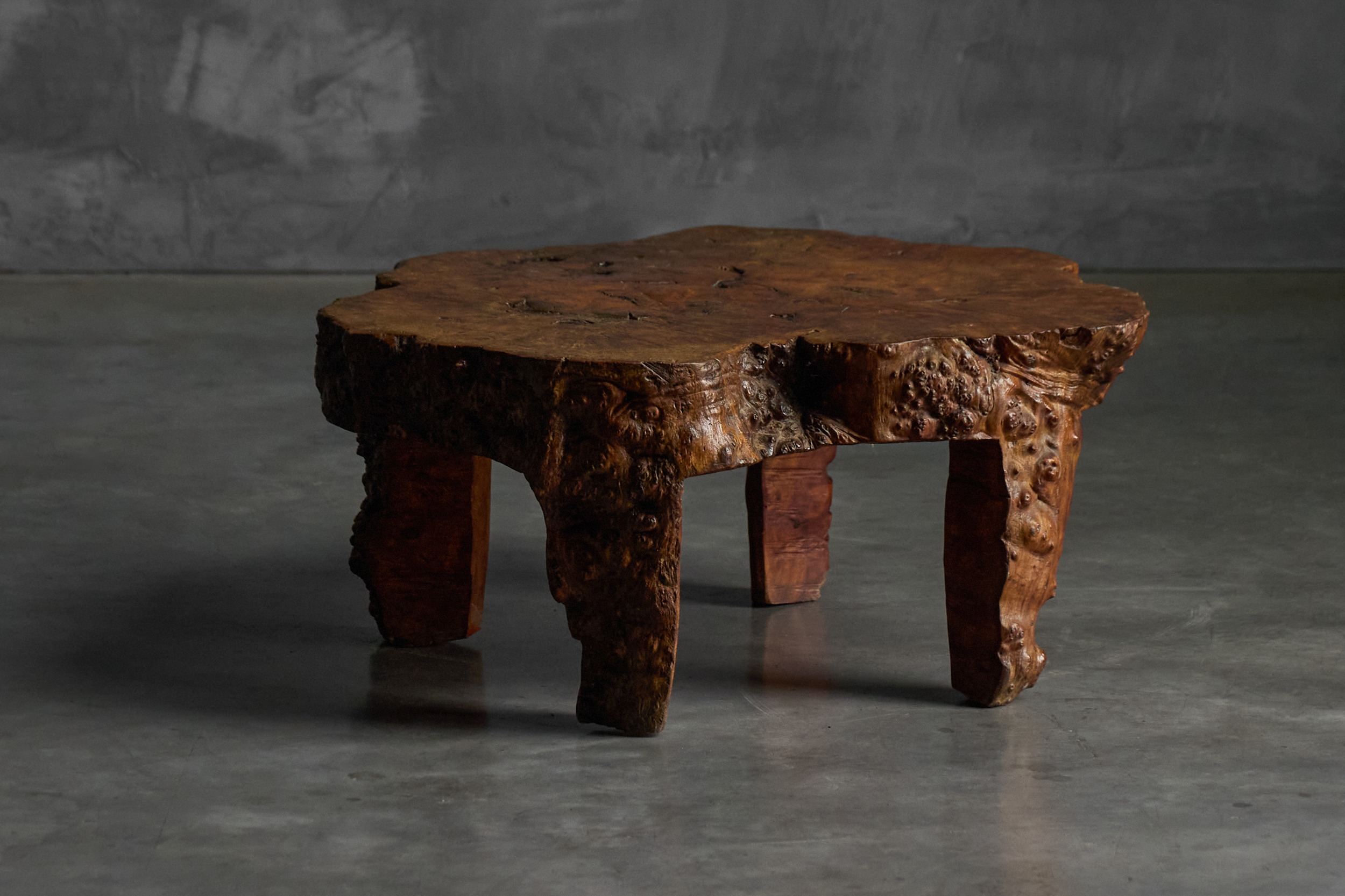
Great interiors are rarely defined by decoration alone. The most memorable spaces are shaped by furniture that carries character, craftsmanship, history, and purpose. This is the essence of Functional Art—the idea that a piece can be practical while also functioning as an artistic statement.
From the industrial precision of Jean Prouvé to the organic craftsmanship associated with Nakashima, the world of modern furniture offers countless examples of how design can influence the way we experience a space. Today, these influential ideas continue to inspire collectors, architects, and interior enthusiasts looking for furniture with enduring appeal.
What Makes Furniture Functional Art?
Furniture becomes Functional Art when utility and visual expression work together. A chair should provide comfort, a table should serve a purpose, and a sofa should support everyday living—but exceptional design goes further. It introduces personality and creates an emotional connection with the surrounding environment.
This philosophy encourages homeowners and designers to look beyond temporary trends. Instead of choosing furniture simply because it is fashionable, they can select pieces based on proportion, materials, craftsmanship, and timeless aesthetics.
The legacy of Jean Prouvé provides an excellent example. Known for combining industrial techniques with elegant structural solutions, Prouvé demonstrated that functional furniture could possess a distinctive artistic quality. His work continues to influence contemporary collections because of its honest construction and unmistakable character.
The Italian Influence on Modern Furniture
Italian design has played a major role in shaping contemporary interiors. Afra & Tobia Scarpa developed furniture that emphasized refined materials, comfort, and sophisticated construction. Their work demonstrates how functionality can coexist with elegance without sacrificing either quality or visual impact.
Another important figure is Mario Bellini, whose designs became synonymous with expressive modernism. His approach challenged conventional ideas about furniture forms, producing pieces that could dominate a room while remaining highly functional.
Perhaps one of the most recognizable examples is the Camaleonda. Its modular design, generous proportions, and distinctive appearance have made it an enduring reference point in contemporary interiors. The Camaleonda also demonstrates why adaptable furniture remains relevant: modular pieces can respond to changing lifestyles while maintaining a strong design presence.
Celebrating the Beauty of Natural Wood
The design philosophy associated with Nakashima offers a contrasting yet equally influential approach. Natural wood takes center stage, with grain, texture, and organic characteristics becoming essential elements of the finished piece.
Rather than treating natural irregularities as flaws, this approach celebrates individuality. Every piece of timber can have its own visual story, making wooden furniture feel authentic and personal.
This philosophy works particularly well in modern interiors that rely on neutral palettes and clean architectural lines. Introducing richly textured wood can add warmth and balance, preventing minimalist spaces from feeling sterile.
Architecture Meets Furniture
The influence of Pierre Jeanneret illustrates another important relationship: the connection between architecture and furniture. His designs are recognized for their geometric forms, practical construction, and strong visual identity.
Furniture influenced by this architectural approach can provide structure to an interior. A well-designed chair or desk can act almost like a small architectural element, defining the character of a room without overwhelming it.
This is particularly effective in contemporary homes, where fewer but more meaningful furniture pieces can create a stronger impression than rooms filled with excessive decoration.
Designing with a Curated Perspective
The modern furniture collector increasingly approaches interior design as a form of curation. Instead of purchasing disconnected pieces, the goal is to develop a visual language throughout the home.
The design perspective associated with boris devis reflects this appreciation for individuality and carefully selected furniture. The work of a Boris Devis designer can be considered within a wider movement toward interiors that prioritize distinctive objects, quality materials, and thoughtful composition.
The philosophy behind Goldwood by Boris furniture similarly highlights the importance of furniture as part of an overall design story. A carefully selected piece can influence everything around it, from lighting and flooring to artwork and accessories.
The Antwerp Design Perspective
European cities have long been important centers for art and design, and Antwerp is no exception. Its creative culture provides an inspiring backdrop for contemporary furniture and interior concepts.
The idea behind Goldwood by Boris Antwerp connects naturally with this appreciation for craftsmanship and design heritage. Antwerp’s relationship with fashion, architecture, art, and visual culture makes it an environment where classic influences can be reinterpreted for contemporary lifestyles.
Meanwhile, Goldwood by Boris interiors can be viewed through the broader principle of creating spaces that feel collected rather than mass-produced. Each furniture choice contributes to the atmosphere, and every material can play a role in establishing visual harmony.
A Collection Built Around Design Heritage
The appeal of the Goldwood by Boris collection lies in the continuing relevance of iconic design principles. The furniture world may constantly introduce new styles, but exceptional proportions, authentic materials, and thoughtful craftsmanship rarely go out of fashion.
The enduring influence of Jean Prouvé, Afra & Tobia Scarpa, Mario Bellini, Nakashima, and Pierre Jeanneret proves that great design can cross generations. Their work continues to inspire contemporary interpretations because it addresses fundamental principles of good furniture: usability, construction, proportion, material, and character.
Ultimately, creating an exceptional interior is not about following every new trend. It is about understanding what makes a piece meaningful and knowing how to place it within a larger environment.
That is why Functional Art continues to resonate with modern collectors. The best furniture does not simply occupy space—it transforms it. It provides comfort, expresses personality, and creates a lasting visual connection between architecture and everyday life. When furniture combines purpose with artistry, an interior becomes more than a collection of objects; it becomes a carefully composed experience.

FURTHER READING...

Exploring Vape Products and Trends Across Australia
October 15, 2026

Trusted Towing and Roadside Recovery Solutions in Auckland
October 15, 2026






Latest - post





CONTACT US
Category
- blog (485)
- Bookkeeping (5)
- Business (429)
- driving (7)
- Environment (5)
- Health (36)
- Home (74)
- Industrial Equipment (1)
- IT Security & Payment Solutions (1)
- lawyer (1)
- Marketing (8)
- Medical (13)
- Panto sunglasses (1)
- Relationship (4)
- Trade Show Displays (1)
- travel (18)
- Wedding Photography&Event (1)
