
From Past to Present: Why Collectible Design Continues to Inspire Modern Interiors
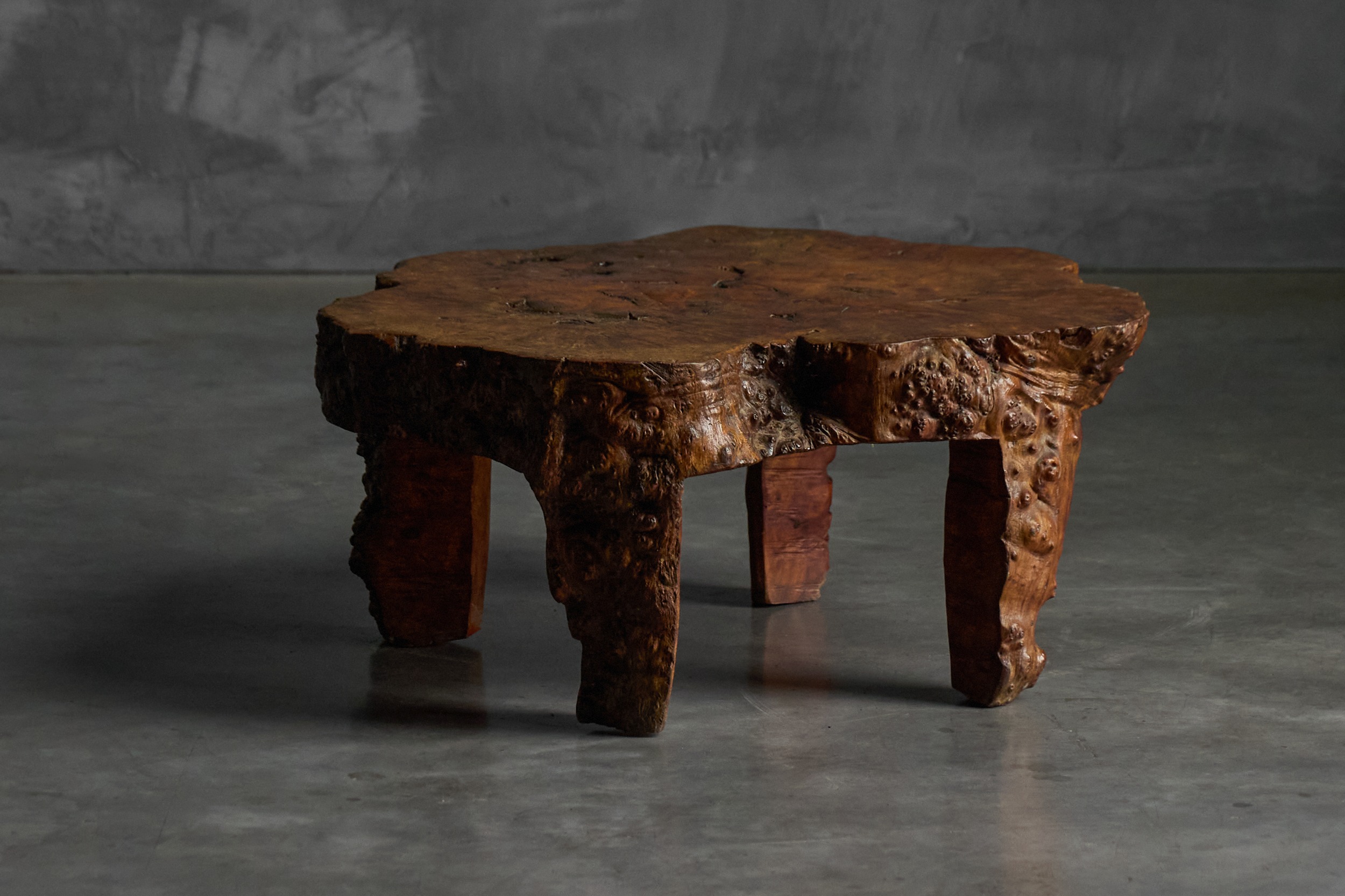
A well-designed piece of furniture can remain relevant long after the era that produced it has passed. This enduring quality is one of the reasons 20th-century furniture continues to attract attention from collectors, interior designers, architects, and design enthusiasts.
The appeal of vintage furniture is not limited to nostalgia. Many pieces demonstrate thoughtful relationships between form, function, materials, and craftsmanship. They also provide a tangible connection to important developments in design history. When introduced into contemporary interiors, these objects can create depth and individuality without requiring an entire room to follow a particular historical style.
For those exploring this field in Antwerp, Goldwood by Boris offers an opportunity to discover furniture, collectible design, and decorative objects connected with the varied visual language of the 20th century.
Why Collectible Design Has Lasting Appeal
Design trends can change quickly, but certain objects remain compelling because their qualities extend beyond fashion. Proportion, construction, material selection, comfort, and originality can all contribute to an object’s longevity.
The 20th century was especially significant because designers were working during a period of rapid technological and cultural change. New manufacturing processes expanded the possibilities available to furniture makers, while developments in architecture influenced the way people thought about domestic and public spaces.
Designers experimented with steel, plywood, molded materials, glass, new textiles, and combinations of traditional and industrial techniques. Some pursued minimal forms, while others embraced expressive shapes and decorative experimentation.
The result is a remarkably diverse design heritage that continues to provide inspiration today.
Learning to Read a Furniture Piece
For a collector, looking at furniture involves more than recognizing a familiar silhouette. Details can reveal how an object was designed and produced.
Consider the way a chair meets the floor, how a cabinet door operates, or how individual components are joined. The relationship between structure and surface can tell us about manufacturing techniques and design priorities.
Materials also provide useful clues. Wood species, grain direction, finishes, hardware, upholstery, and metal treatments may all contribute to understanding an object’s character.
This type of observation can make the process of collecting more rewarding. Instead of evaluating furniture solely by appearance, enthusiasts begin to notice the decisions that went into its creation.
The Value of Honest Age
One of the defining characteristics of vintage furniture is that time becomes part of the object. A piece that has survived for decades may naturally show small changes caused by use and environmental conditions.
Patina can add warmth and individuality, particularly when it occurs naturally on materials such as wood, leather, or metal. At the same time, condition remains an important consideration. Structural problems, inappropriate repairs, or significant alterations can influence both usability and historical integrity.
For this reason, restoration should be approached carefully. Not every mark needs to be removed, and not every older finish should be replaced. Preserving original materials and construction where practical can help maintain the qualities that make a vintage object interesting.
This balance between preservation and functionality is an important part of responsible collecting.
Combining Vintage and Contemporary Furniture
A contemporary home does not need to look like a museum to accommodate collectible furniture. In fact, vintage pieces can become especially striking when placed within modern surroundings.
A carefully selected armchair can add sculptural interest to a restrained living room. A vintage cabinet can introduce warmth and texture into a space dominated by stone or glass. An unusual lamp or decorative object can create a focal point without changing the overall character of the room.
The key is often contrast. Different periods can coexist successfully when their scale, materials, and proportions work together.
This approach also gives collectors greater freedom. They can appreciate individual pieces for their own qualities rather than feeling obligated to recreate a complete historical interior.
Developing a Personal Collecting Philosophy
There is no universal formula for building a design collection. Some people focus on particular designers or periods, while others collect according to materials, forms, or personal connections.
A useful starting point is curiosity. Researching the history of a piece, learning about its designer, and understanding how it was manufactured can reveal qualities that may not be obvious at first glance.
The perspective associated with boris devis emphasizes the value of engaging with furniture as both a functional object and a piece of design history. For enthusiasts interested in Antwerp’s design culture, Goldwood by Boris provides a setting in which vintage furniture and decorative objects can be explored with attention to their individual character.
Over time, collecting can become a way of expressing personal taste. The result does not need to be perfectly coordinated. A collection can instead reflect different discoveries made throughout a person’s life.
Quality, Context, and Longevity
When considering a potential acquisition, it can be helpful to look at several factors together. Construction quality, condition, documentation, material integrity, historical context, and suitability for the intended space all contribute to a more informed decision.
Price is naturally part of the process, but value is broader than cost alone. An object may be valuable to its owner because of its craftsmanship, rarity, visual presence, historical associations, or simply because it works exceptionally well within an interior.
This broader understanding encourages collectors to look beyond temporary trends. Furniture selected for enduring qualities is more likely to remain meaningful as tastes evolve.
Giving Design a New Chapter
Perhaps the greatest appeal of vintage furniture is that its history does not end with its original owner. A chair, table, cabinet, lamp, or decorative object can move into a new environment and acquire another chapter in its story.
That continuity connects the worlds of collecting and contemporary living. Historic design remains relevant because it can still serve practical purposes while offering insight into the ideas and craftsmanship of another period.
For collectors and design enthusiasts, discovering 20th-century furniture is therefore an invitation to look more closely. Behind every material, proportion, and construction detail is a design decision—and behind every well-preserved vintage object is a piece of history capable of finding new meaning in the present.

FURTHER READING...



Creating Memorable Corporate Events in Diu
October 8, 2026


Ασφαλείς και υπεύθυνες επιλογές για φαρμακευτικές αγορές online
October 8, 2026
Guia de Saúde Online, Medicamentos e Tratamentos Personalizados
October 8, 2026

Latest - post





CONTACT US
Category
- blog (478)
- Bookkeeping (5)
- Business (401)
- driving (5)
- Environment (5)
- Health (29)
- Home (74)
- Industrial Equipment (1)
- IT Security & Payment Solutions (1)
- lawyer (1)
- Marketing (8)
- Medical (13)
- Panto sunglasses (1)
- Relationship (4)
- Trade Show Displays (1)
- travel (18)
- Wedding Photography&Event (1)
