
How Can Children’s Fitness Programs Improve Physical Health?
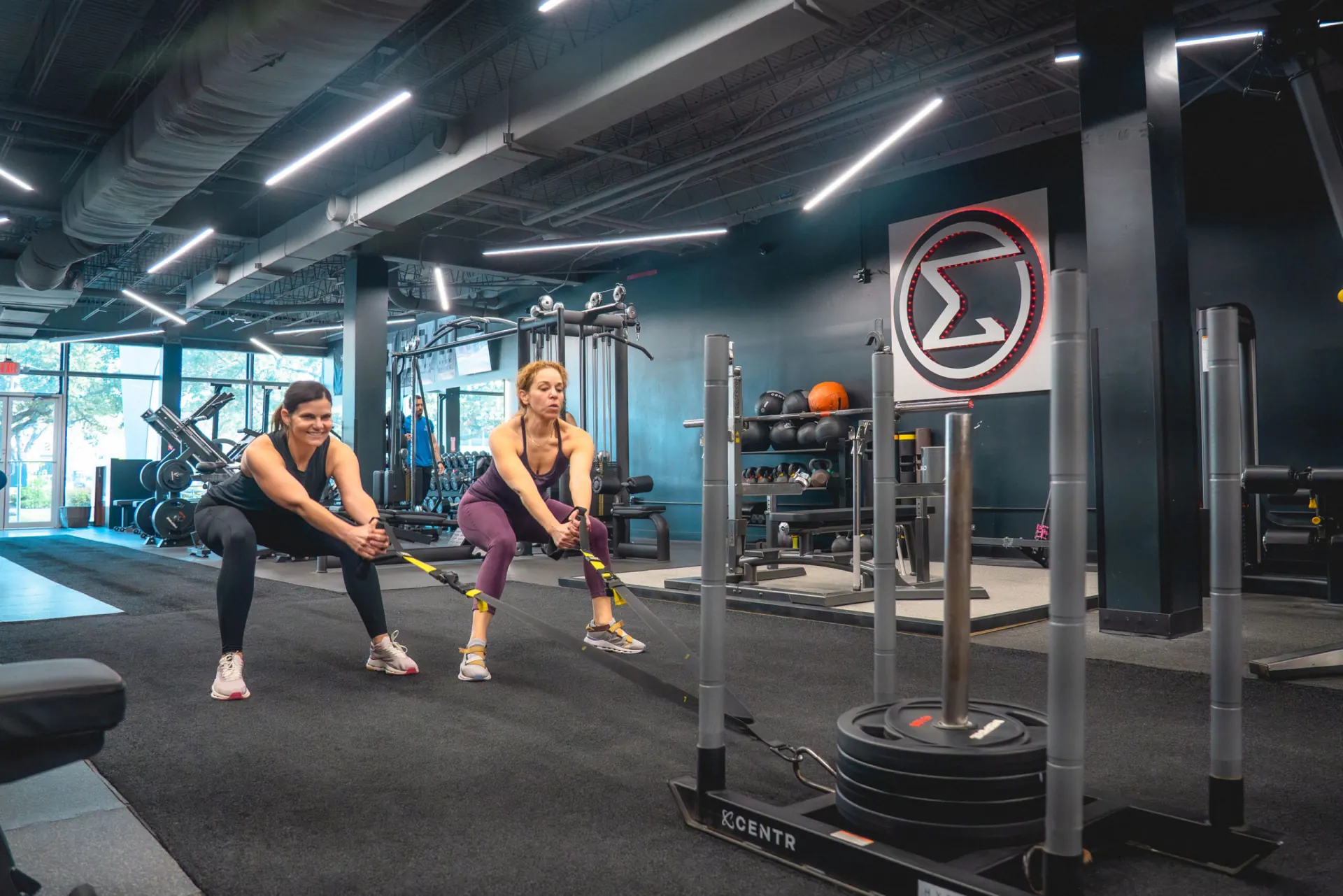
Children need regular physical activity to grow stronger, stay active, and develop healthy habits. In today’s digital world, many children spend hours sitting in classrooms, using smartphones, or watching television. These habits can reduce daily movement and affect their overall well-being. Children’s Fitness Programs provide an enjoyable way for kids to exercise, improve physical strength, and build confidence while learning the importance of an active lifestyle.
Parents can encourage children to participate in structured fitness activities that match their age, interests, and abilities. From fun group exercises to strength-building activities and sports, these programs help children develop essential physical skills. Families looking for fitness opportunities can also explore facilities such as Gyms Downtown Houston Tx to discover suitable exercise environments and professional guidance for their children’s fitness needs.
How Do Children’s Fitness Programs Build Strength and Endurance?
Children’s Fitness Programs help develop muscular strength and cardiovascular endurance through age-appropriate activities. Exercises such as bodyweight squats, jumping jacks, running games, and supervised resistance movements encourage children to use different muscle groups.
Regular participation helps children perform everyday activities more easily. They may find it easier to climb stairs, carry school bags, participate in sports, and play outdoors for longer periods. These improvements also support healthy physical development as children grow.
Fitness instructors can introduce exercises gradually and focus on proper technique rather than heavy weights or intense training. This approach helps children develop strength safely while keeping their workouts enjoyable. By celebrating small achievements, trainers can motivate children to remain consistent and take pride in their progress.
Can Regular Exercise Support Healthy Weight Management?
Regular physical activity helps children maintain a healthy balance between the energy they consume and the energy they use. Running, dancing, cycling, swimming, and playing active games allow children to burn energy while improving their overall fitness.
However, children’s fitness should focus on health, enjoyment, and development rather than appearance or weight alone. Parents should encourage balanced meals, adequate sleep, and regular movement instead of restrictive diets or excessive exercise.
Children’s Fitness Programs can make physical activity a natural part of daily life. When children enjoy their workouts, they become more likely to stay active outside scheduled sessions. These positive habits can help reduce sedentary behavior and support long-term health.
How Do Fitness Activities Improve Bone Health and Coordination?
Childhood is an important period for developing strong bones, healthy joints, and effective movement patterns. Weight-bearing activities, including running, jumping, hopping, and dancing, place appropriate demands on bones and support healthy bone development.
Fitness activities also help children improve balance, coordination, agility, and flexibility. For example, obstacle courses encourage children to change direction, judge distances, and coordinate their movements. Ball games develop hand-eye coordination, while stretching and controlled movement exercises can improve mobility.
These skills benefit children in school physical education, recreational sports, and everyday activities. A well-designed fitness program includes different types of movement to help children develop a broad range of physical abilities.
Why Are Children’s Fitness Programs Important for Heart Health?
The heart and lungs work harder during physical activity, helping children improve their cardiovascular fitness over time. Activities such as brisk walking, swimming, cycling, dancing, and playing tag can raise the heart rate and strengthen endurance.
Children who exercise regularly may find it easier to participate in playground games and sports without becoming tired quickly. Consistent movement also supports overall metabolic health and contributes to a healthier lifestyle.
Children should enjoy a variety of activities rather than follow repetitive, exhausting routines. Trainers can alternate active games with rest periods to match children’s energy levels and fitness abilities.
Health authorities generally recommend that children and adolescents aged 6–17 get at least 60 minutes of moderate-to-vigorous physical activity daily. This activity can include school sports, outdoor play, walking, and structured fitness sessions. Children do not need to complete all their daily activity in one workout.
How Can Fitness Programs Improve Children’s Posture and Flexibility?
Children spend considerable time sitting at desks, studying, and using electronic devices. Long periods of sitting can encourage poor movement habits and reduce opportunities to develop strength and mobility.
Fitness programs can introduce exercises that strengthen the core, improve body awareness, and encourage controlled movement. Activities such as animal walks, balance challenges, gentle stretching, and age-appropriate core exercises help children learn how to move their bodies effectively.
Better movement awareness can support comfortable participation in daily activities. However, fitness instructors should avoid promising that exercise will automatically correct every posture problem. Children who experience persistent pain or movement difficulties should receive guidance from a qualified healthcare professional.
Can Group Fitness Activities Build Confidence and Social Skills?
Physical health represents only one benefit of children’s fitness. Group activities also give children opportunities to communicate, cooperate, solve problems, and develop confidence.
Team challenges and partner exercises encourage children to support one another and work toward shared goals. Children learn that improvement takes practice and that everyone develops skills at a different pace.
Positive encouragement helps children feel comfortable trying unfamiliar activities. Fitness instructors should create an inclusive environment where children of different abilities can participate without fear of embarrassment or comparison.
At Sigma Performance Training, families can look for fitness approaches that emphasize movement, personal development, and consistent participation. Choosing activities that children genuinely enjoy can help them build a positive relationship with exercise.
How Should Parents Choose the Right Fitness Program for Their Children?
Parents should consider their child’s age, interests, current activity level, and individual needs before choosing a fitness program. Younger children often benefit from playful activities, movement games, and basic coordination exercises. Older children may enjoy structured strength training, sports conditioning, or more challenging group workouts under qualified supervision.
Before enrolling a child, parents should ask about the instructor’s experience, safety procedures, class sizes, and exercise modifications. A suitable program should provide age-appropriate instruction, adequate hydration breaks, proper warm-ups, and enough recovery time.
Families exploring Gyms Downtown Houston Tx should also check whether nearby facilities offer dedicated children’s sessions or qualified trainers who work with younger participants. Not every gym provides specialized children’s fitness services, so confirming availability is important.
Parents should also involve children in the decision-making process. When kids help choose their activities, they may feel more motivated to attend regularly and continue exercising.
How Can Families Make Fitness a Lifelong Habit?
Children develop healthier habits when physical activity becomes a regular part of family life. Parents can encourage outdoor play, take family walks, organize weekend cycling trips, or participate in active games at home.
Setting realistic goals helps children recognize progress without creating unnecessary pressure. For example, a child might aim to learn a new movement, improve balance, or participate in a favorite activity several times each week.
Consistency matters more than perfection. Families should allow children to rest when needed, try different activities, and enjoy movement without treating exercise as punishment.
Sigma Performance Training supports the broader goal of making fitness an engaging and sustainable part of everyday life. With appropriate guidance and encouragement, children can develop the physical skills and confidence they need to remain active as they grow.
Conclusion: Why Should Children Start Exercising Today?
Children’s Fitness Programs support healthy growth by improving strength, endurance, coordination, cardiovascular fitness, and movement skills. They can also help children develop confidence, social skills, and positive attitudes toward physical activity.
Parents can make a meaningful difference by choosing safe, enjoyable programs that suit their children’s needs and abilities. By combining structured exercise with outdoor play, balanced nutrition, and sufficient sleep, families can help children build a strong foundation for lifelong health.

FURTHER READING...

How Can Preventive Dental Cleaning Keep Your Teeth Healthy?
October 29, 2026

What Skills Do You Need to Become a Certified Hyperbaric Technician?
October 27, 2026

What Features Should You Look for in an HBOT Machine?
October 26, 2026
How Do You Find the Best Orthodontist in Aventura for Your Needs?
October 26, 2026

What Should You Know Before Getting a Dental Bridge in Houston, TX?
October 26, 2026
Is Mat Pilates Houston a Good Choice for Beginners?
October 24, 2026

How Can You Find the Best Albany Dentist for Your Dental Needs?
October 24, 2026

How Do You Choose the Best Nearest Orthodontist in Your Area?
October 24, 2026

Is Breast Fat Transfer in Houston Right for You?
October 24, 2026
Latest - post





CONTACT US
Category
- blog (524)
- Bookkeeping (5)
- Business (492)
- driving (10)
- Environment (5)
- Health (58)
- Home (75)
- Industrial Equipment (1)
- IT Security & Payment Solutions (1)
- lawyer (1)
- Marketing (8)
- Medical (13)
- Panto sunglasses (1)
- Relationship (4)
- Trade Show Displays (1)
- travel (19)
- Wedding Photography&Event (1)
