
How Can Sustainable Practices Be Integrated into Drive Thru Construction?
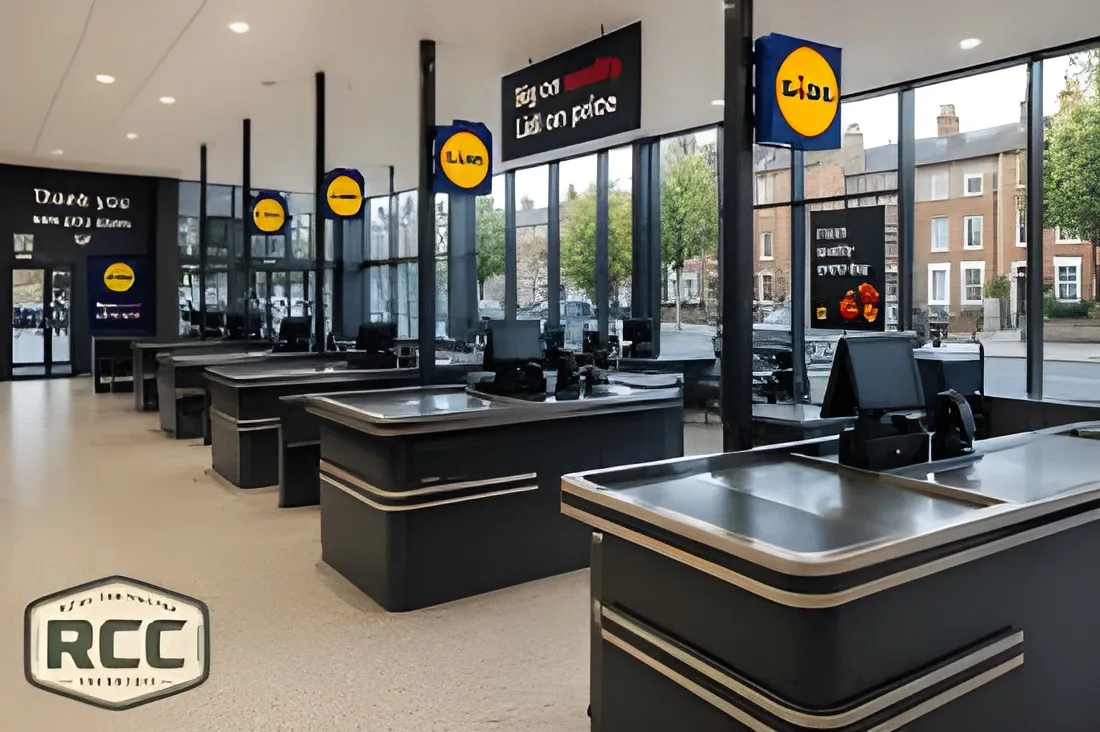
Sustainability has become a major priority across the construction industry, and drive thru construction is no exception. Modern businesses are looking for ways to reduce environmental impact while improving customer convenience and operational efficiency. Whether developing a restaurant, coffee shop, pharmacy, or banking facility, integrating sustainable strategies into construction creates long-term value for both businesses and communities.
From energy-efficient building materials to eco-friendly site planning, sustainable retail construction focuses on reducing waste, lowering operating costs, and improving the customer experience. Companies that invest in green building practices also strengthen their brand reputation and prepare for future environmental regulations.
Retail Construction Contractors understands that modern construction requires balancing functionality, durability, and environmental responsibility throughout every stage of a project.
What Does Sustainable Drive Thru Construction Involve?
Sustainable drive thru construction goes beyond selecting environmentally friendly materials. It includes designing efficient layouts, minimizing energy consumption, reducing construction waste, and creating buildings that remain efficient throughout their lifecycle.
Some of the core principles include:
- Energy-efficient building design
- Sustainable construction materials
- Reduced carbon emissions
- Water conservation systems
- Efficient traffic flow
- Waste reduction during construction
- Long-lasting building components
When these practices work together, they create facilities that cost less to operate while providing a better customer experience.
How Does Smart Site Planning Improve Sustainability?
Site planning is one of the most important elements of successful retail construction. Poorly planned sites increase traffic congestion, fuel consumption, and unnecessary environmental impact.
Smart planning includes:
Optimized Vehicle Flow
Efficient lane layouts reduce waiting times and minimize vehicle idling. Shorter queues mean customers spend less time burning fuel, helping lower emissions.
Natural Landscape Preservation
Whenever possible, mature trees and natural green spaces should remain part of the project. Preserving existing vegetation improves air quality and reduces heat buildup around the property.
Better Drainage Systems
Permeable paving, rain gardens, and modern drainage systems help control stormwater runoff while protecting nearby ecosystems.
Thoughtful site planning improves sustainability before construction even begins.
Which Sustainable Building Materials Should Be Used?
Material selection plays a significant role in environmentally responsible drive thru construction.
Popular sustainable materials include:
Recycled Steel
Steel can be recycled repeatedly without losing strength, making it one of the most sustainable structural materials available.
Sustainable Timber
Certified wood products from responsibly managed forests reduce environmental impact while providing attractive finishes.
Low-Carbon Concrete
Modern concrete mixes containing recycled materials reduce carbon emissions compared to traditional concrete.
Recycled Insulation
Insulation manufactured from recycled materials improves building efficiency while minimizing landfill waste.
These materials provide durability without compromising environmental performance.
How Can Energy Efficiency Be Built into Drive Thru Facilities?
Energy efficiency is one of the biggest advantages of sustainable retail construction.
Several design features help reduce energy consumption.
LED Lighting
LED lighting uses significantly less electricity than traditional lighting while lasting much longer.
High-Performance Windows
Energy-efficient glazing reduces heat transfer, lowering heating and cooling costs throughout the year.
Quality Insulation
Well-insulated walls and roofing maintain comfortable indoor temperatures with less energy use.
Smart Building Controls
Automated lighting, climate control, and occupancy sensors prevent unnecessary energy consumption during non-operating hours.
Together, these improvements reduce operating costs while supporting environmental goals.
How Can Renewable Energy Support Drive Thru Construction?
Renewable energy has become increasingly practical for commercial developments.
Many modern drive thru construction projects now include:
- Solar panels
- Battery storage systems
- Electric vehicle charging stations
- Energy-efficient HVAC systems
Solar energy can offset daily electricity usage, while EV charging stations prepare businesses for the growing number of electric vehicles.
These additions improve sustainability while increasing long-term property value.
Why Is Water Conservation Important?
Water conservation should never be overlooked during retail construction planning.
Businesses can significantly reduce water usage through:
Low-Flow Fixtures
Modern faucets, toilets, and washroom fixtures use much less water without sacrificing performance.
Rainwater Harvesting
Collected rainwater can be used for irrigation and landscape maintenance.
Drought-Tolerant Landscaping
Native plants require less watering and ongoing maintenance than traditional landscaping.
Smart Irrigation Systems
Automatic irrigation adjusts watering schedules according to weather conditions, preventing unnecessary water waste.
These systems reduce operating expenses while supporting environmental conservation.
How Can Construction Waste Be Reduced?
Construction generates significant waste, but careful planning minimizes its environmental impact.
Effective waste reduction strategies include:
- Recycling construction debris
- Reusing materials whenever possible
- Ordering accurate material quantities
- Separating recyclable waste onsite
- Donating surplus building materials
Proper waste management keeps valuable materials out of landfills while lowering disposal costs.
Contractors who prioritize recycling also demonstrate greater environmental responsibility.
How Does Efficient Traffic Design Improve Sustainability?
Traffic management is one of the defining features of successful drive thru construction.
Efficient layouts provide multiple sustainability benefits.
Reduced Vehicle Idling
Customers move through the drive-thru more quickly, lowering fuel consumption and emissions.
Safer Vehicle Movement
Well-designed entrances and exits reduce congestion while improving pedestrian safety.
Improved Accessibility
Accessible parking, wider lanes, and clear signage create a better experience for every visitor.
Good traffic planning combines convenience with environmental responsibility.
Why Is Long-Term Building Performance Essential?
Sustainability does not end when construction finishes.
Successful retail construction focuses on creating buildings that remain efficient for decades.
Long-term performance depends on:
- Durable construction materials
- Preventive maintenance plans
- Flexible interior layouts
- Expandable infrastructure
- Modern building management systems
Buildings designed for longevity require fewer repairs and renovations, reducing environmental impact throughout their lifecycle.
How Does Sustainable Construction Benefit Business Owners?
Choosing sustainable drive thru construction provides measurable business advantages beyond environmental responsibility.
Some of the biggest benefits include:
- Lower utility costs
- Reduced maintenance expenses
- Increased property value
- Better customer perception
- Compliance with evolving environmental standards
- Improved employee comfort
- Greater operational efficiency
Many businesses also discover that environmentally responsible facilities attract customers who value sustainability.
Why Should Experienced Contractors Lead Sustainable Projects?
Sustainable construction requires knowledge, planning, and coordination across every project phase.
Experienced professionals understand how to:
- Balance budgets with sustainability goals
- Select high-performance materials
- Meet local building regulations
- Coordinate energy-efficient systems
- Deliver projects on schedule
- Maintain construction quality
Working with knowledgeable specialists helps avoid costly mistakes while maximizing long-term building performance.
Retail Construction Contractors combines industry expertise with sustainable construction practices to deliver efficient, durable, and environmentally responsible commercial developments.
Conclusion
Integrating sustainability into drive thru construction is no longer simply an environmental initiative—it is a smart business strategy. From energy-efficient designs and renewable energy systems to recycled materials and optimized traffic flow, every sustainable decision contributes to lower operating costs, improved customer experiences, and stronger long-term performance.
Modern retail construction projects benefit from thoughtful planning, responsible material selection, and efficient building systems that reduce environmental impact while supporting business growth. By embracing sustainable practices from the earliest planning stages through project completion, businesses can create drive-thru facilities that remain efficient, attractive, and environmentally responsible for many years to come.

FURTHER READING...

How Can Later Living Home Builders Create Comfortable Homes?
September 21, 2026

How Can Professional Beard Grooming Enhance Your Look?
September 21, 2026

How Does a Men’s Facial Treatment Improve Skin Health?
September 21, 2026

What Makes the Cascada Amalfi 16 LED Shower System a Modern Bathroom Choice?
September 21, 2026
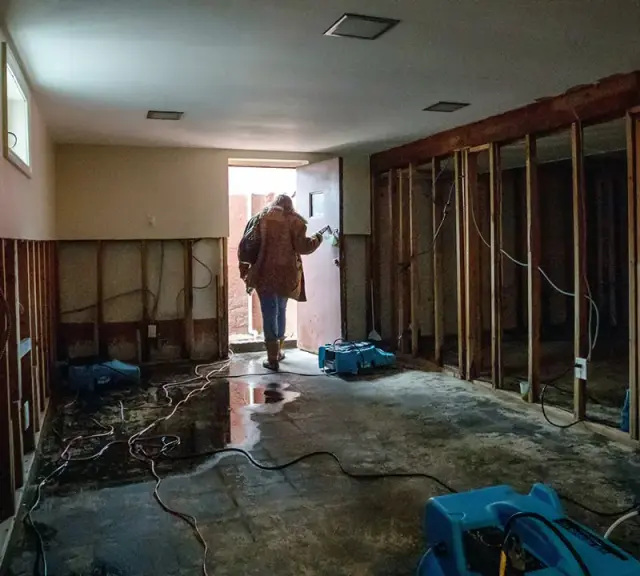
How Does Water Mitigation Prevent Further Property Damage?
September 21, 2026

Why Is Composite Decking Colchester a Popular Choice for Modern Gardens?
September 21, 2026

Why Should You Choose a Professional Wedding Photographer Brentwood?
September 21, 2026

Why Choose an Albany Dental Clinic for Your Dental Care?
September 19, 2026
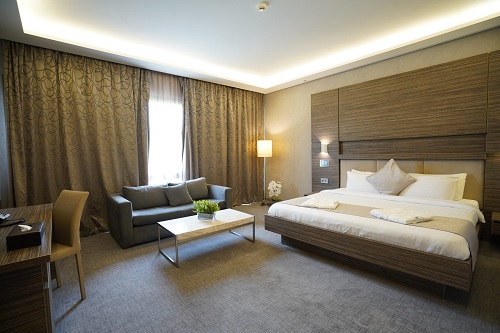
What Makes Heaven Hotel a Comfortable Place to Stay?
September 19, 2026
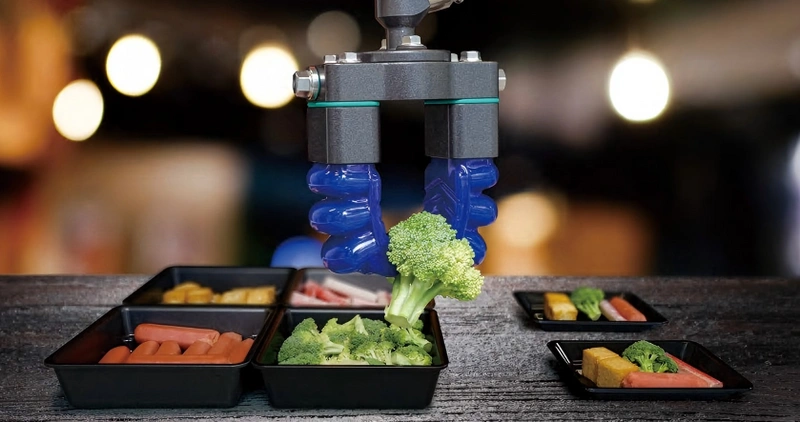
What Industries Can Benefit From a Soft Robotic Gripper?
September 19, 2026
Latest - post


CONTACT US
Category
- blog (416)
- Bookkeeping (5)
- Business (344)
- driving (5)
- Environment (5)
- Health (13)
- Home (74)
- Industrial Equipment (1)
- IT Security & Payment Solutions (1)
- Marketing (8)
- Medical (13)
- Relationship (4)
- Trade Show Displays (1)
- travel (16)
- Wedding Photography&Event (1)
