
How Can Veterinary Practice Management Software Improve Clinic Efficiency and Pet Care?
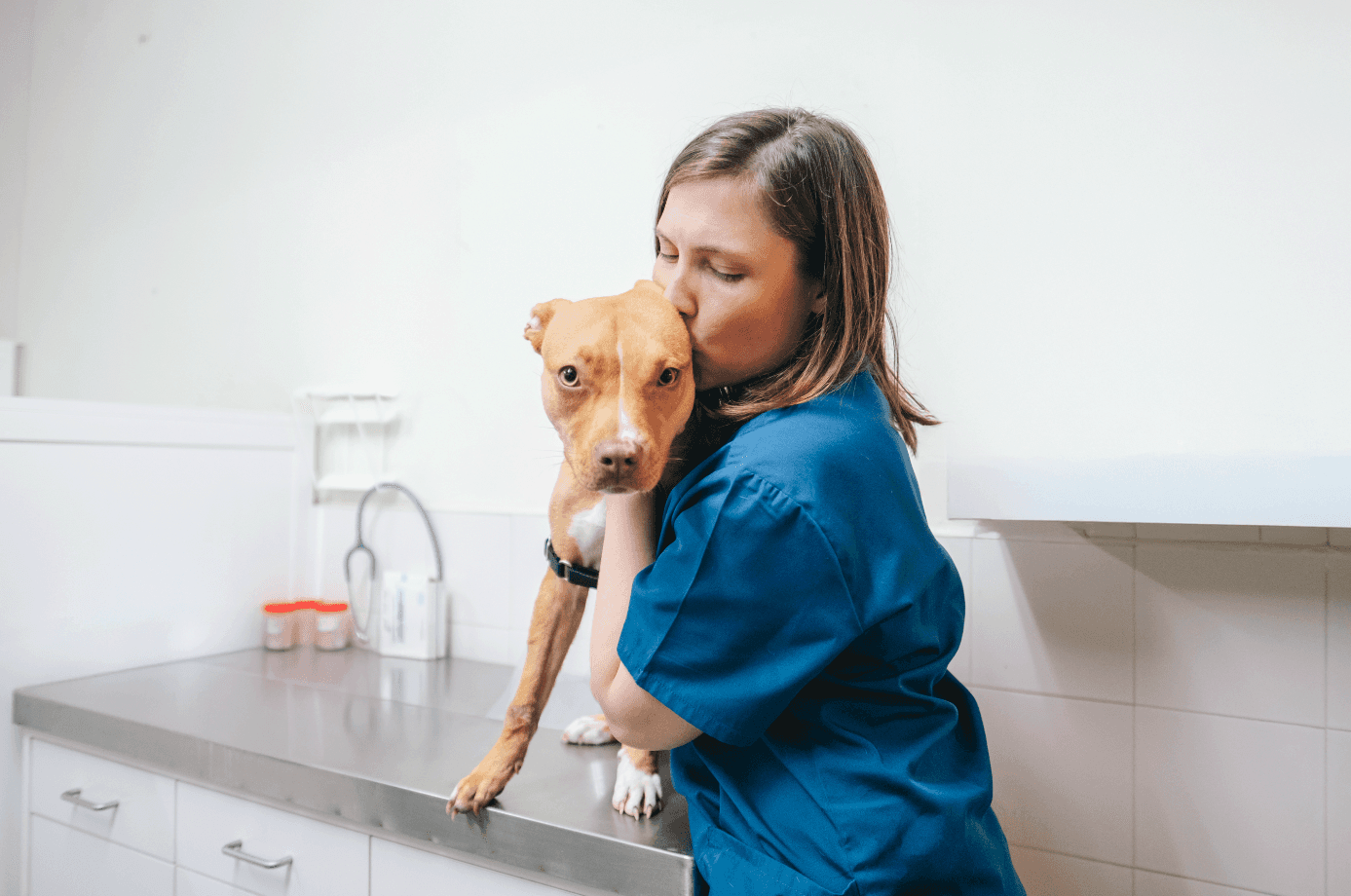
Veterinary clinics manage more than medical appointments. Their daily responsibilities include coordinating consultations, communicating with pet parents, maintaining patient information, managing administrative tasks, and ensuring consistent follow-ups. Handling these activities manually can increase workloads and create communication gaps. This is where veterinary practice management software becomes valuable.
Modern veterinary technology helps clinics organise their operations, simplify routine processes, and deliver a smoother experience for both veterinary professionals and pet families. Solutions like Smoll focus on connecting clinic workflows, AI-powered assistance, appointment bookings, and client communication to help practices operate more efficiently without losing sight of quality care.
What Is Veterinary Practice Management Software?
Veterinary practice management software is a digital solution that helps veterinary clinics organise and coordinate their everyday activities. It supports essential operational processes, including appointment scheduling, client communication, patient information management, administrative workflows, and follow-up coordination.
Instead of relying on disconnected tools and manual processes, veterinary teams can use connected systems to manage important interactions throughout the patient journey.
Modern veterinary clinic software also incorporates automation and artificial intelligence to reduce repetitive work. These technologies help teams collect relevant information, manage incoming enquiries, coordinate bookings, and maintain better communication with pet parents.
The objective is simple: give veterinary professionals more time to focus on animals while making clinic operations easier to manage.
How Does Veterinary Software Improve Daily Clinic Operations?
Efficient clinic operations depend on smooth coordination between veterinarians, receptionists, support staff, and pet parents. When teams rely on multiple disconnected systems, important information can become difficult to access.
Veterinary software helps simplify these processes by bringing essential workflows together.
For example, clinics need to manage incoming enquiries, organise appointments, communicate care updates, and coordinate administrative activities throughout the day. Connected systems reduce unnecessary switching between applications and help employees manage their responsibilities more effectively.
Smoll approaches this challenge through its connected veterinary infrastructure, designed to support clinic operations without adding unnecessary complexity. Its platform connects communication, calendar, and payment tools, helping teams maintain smoother workflows.
This approach can benefit independent veterinary professionals, growing clinics, and multi-location practices looking to improve operational consistency.
Why Is Appointment Management Important for Veterinary Clinics?
Appointment management directly affects clinic productivity and the experience of pet families. Missed calls, delayed responses, and scheduling difficulties can create unnecessary pressure on reception teams.
A reliable vet clinic software solution should make booking processes easier for both clinic employees and pet parents.
Automated booking workflows can help clinics:
- Make appointment scheduling more accessible.
- Reduce repetitive booking-related communication.
- Organise incoming appointment requests.
- Improve coordination between pet parents and clinic staff.
- Create more opportunities to fill available appointment slots.
Smoll focuses on making bookings easier for pet families while helping clinics manage their calendars more effectively.
When appointment processes become simpler, staff can spend less time coordinating schedules and more time supporting veterinary care.
How Can Client Communication Strengthen Pet Parent Engagement?
Communication is an essential part of successful veterinary care. Pet parents want timely updates, clear instructions, and reassurance about their animals’ health and recovery.
However, answering repeated enquiries and sending individual updates can consume considerable staff time.
Veterinary client communication tools help clinics maintain consistent interactions throughout the care journey. These interactions may include appointment-related messages, post-visit updates, follow-up communication, and general client engagement.
Smoll emphasises continued communication through its care-focused workflows. Its approach helps clinics stay connected with pet families beyond the initial consultation or checkout.
Better communication can also strengthen trust. When pet parents receive relevant updates and understand the next steps in their animals’ care, they are more likely to remain engaged with the clinic.
How Can Administrative Workflows Become More Efficient?
Administrative responsibilities are necessary for running a veterinary practice, but repetitive tasks can reduce the time available for patient care.
Reception teams may spend significant time handling enquiries, coordinating bookings, processing payments, and organising information. When these activities require separate applications, managing daily responsibilities becomes more complicated.
Modern veterinary clinic software can help reduce this operational burden through connected workflows and automation.
For example, integrating calendar, communication, and payment tools can reduce the need to switch between different platforms. Smoll supports this connected approach by bringing these systems into a more streamlined clinic experience.
Better administrative coordination can improve team productivity, reduce avoidable delays, and create a more organised working environment.
Why Do Documentation and Information Management Matter?
Accurate documentation supports continuity of care and helps veterinary professionals make informed decisions. Clinics regularly need to organise consultation details, patient histories, treatment information, and relevant communication.
Poorly organised information can make it difficult for staff to understand previous interactions or prepare for upcoming appointments.
A well-designed veterinary practice management software environment should support structured information management and make relevant details easier to access.
AI-assisted documentation tools can also help reduce repetitive administrative work by organising information from conversations or clinical workflows. However, veterinary professionals must review records for accuracy and ensure that medical documentation reflects the actual consultation.
Clear documentation supports better coordination between team members and helps maintain consistent communication with pet parents.
How Can AI Support Veterinary Teams Without Replacing Professional Judgment?
Artificial intelligence is becoming an important part of modern veterinary technology. It can help clinics manage routine interactions, collect information, and reduce repetitive administrative activities.
For example, AI-powered triage can gather initial details from pet parents, understand their concerns, and surface relevant information for the veterinary team. This allows staff to begin conversations with better context.
Smoll introduces this approach through smollAgent, which helps teams understand conversations, capture context, and highlight important information.
AI can also support appointment-related interactions and ongoing client communication, helping clinics respond more efficiently.
However, AI should remain a supporting tool rather than a replacement for veterinary expertise. It cannot independently replace physical examinations, clinical assessments, or professional decision-making. Veterinarians must evaluate symptoms, interpret medical information, and determine appropriate treatment based on their training and judgment.
The most effective use of AI combines technological efficiency with responsible human oversight.
Why Are Connected Systems Important for Modern Veterinary Practices?
Using separate applications for scheduling, payments, and communication can create fragmented workflows. Staff may need to enter information repeatedly or switch between platforms to complete simple tasks.
Connected veterinary software helps reduce these complications by allowing essential tools to work together.
Smoll connects with calendar, communication, and payment tools, including integrations represented on its platform such as WhatsApp and Stripe. This connected infrastructure helps clinics keep important processes moving without constantly switching between systems.
For growing practices, this approach can support operational consistency while creating a more convenient experience for employees and pet families.
Conclusion: How Can the Right Software Support Better Veterinary Care?
Veterinary practice management software plays an important role in improving clinic operations, appointment management, administrative coordination, and pet parent engagement. By connecting essential workflows and reducing repetitive tasks, modern technology helps veterinary teams work more efficiently.
AI adds further value by supporting initial information gathering, communication, and workflow coordination while keeping professional judgment at the centre of veterinary care.
Smoll reflects this modern approach through connected veterinary infrastructure, AI-assisted triage, automated bookings, and continued communication with pet families. Choosing technology that supports these priorities can help veterinary practices build more organised operations and deliver a better experience throughout the pet care journey.

FURTHER READING...


Comment trouver la meilleure Remorqueàvendre au RemorqueQuébec ?
November 12, 2026

Luxury Honeymoon in Argentina: Experience the Perfect Romantic Getaway
November 12, 2026

Which Factors Influence Commercial Property Rental Prices in Haryana?
November 12, 2026


Where to Buy Authentic Crest Whitening Products Online: A Complete Guide
November 12, 2026
Latest - post




CONTACT US
Category
- blog (539)
- Bookkeeping (5)
- Business (549)
- driving (10)
- Environment (5)
- Health (69)
- Home (75)
- Industrial Equipment (1)
- IT Security & Payment Solutions (1)
- lawyer (1)
- Marketing (8)
- Medical (13)
- Panto sunglasses (1)
- Relationship (4)
- Trade Show Displays (1)
- travel (19)
- Wedding Photography&Event (1)
