
How Does Water Mitigation Prevent Further Property Damage?
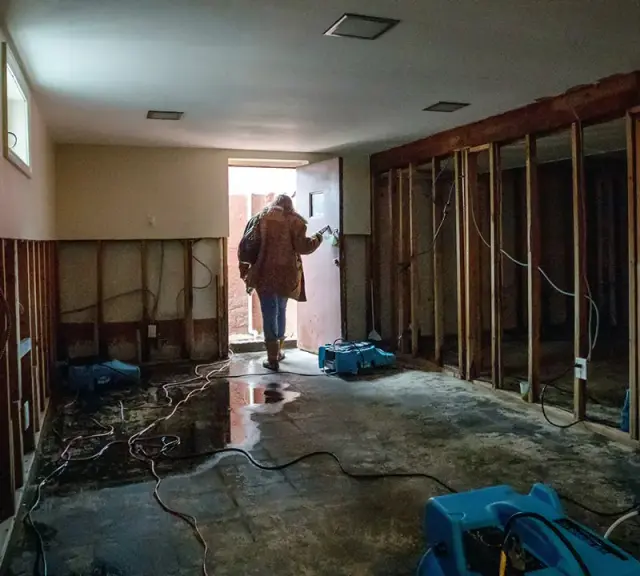
Water damage can happen suddenly and spread quickly. A burst pipe, overflowing appliance, roof leak, storm, or flooding can introduce large amounts of water into a property within minutes. If you do not address the problem quickly, water can move into floors, walls, ceilings, insulation, furniture, and other building materials. This is where water mitigation becomes essential.
Water mitigation focuses on reducing the immediate impact of water damage and preventing the situation from becoming worse. Professional teams identify the source, remove standing water, dry affected areas, and monitor moisture levels. Acting quickly can reduce repair requirements and help protect the structure and contents of your property.
What Is Water Mitigation and Why Does It Matter?
Water mitigation is the process of limiting damage after unwanted water enters a property. It does not simply mean removing visible water. It involves a structured response that addresses moisture before it causes additional problems.
When water remains inside a property, it can travel through porous materials. Wood, drywall, carpeting, insulation, and other materials can absorb moisture. The longer these materials stay wet, the greater the chance of deterioration.
A professional emergency restoration company can respond quickly and develop an appropriate mitigation plan. The team typically evaluates the affected areas, identifies the source of the water, removes excess moisture, and begins the drying process.
How Does Fast Water Removal Reduce Property Damage?
Standing water creates an immediate risk to a building. It can weaken flooring, damage furniture, stain surfaces, and move into areas that initially appear unaffected. Fast water removal helps limit this spread.
Professionals use equipment such as pumps, wet vacuums, and extraction systems to remove water efficiently. They focus on areas where water has collected and check nearby spaces for hidden moisture.
Removing water quickly also allows the drying process to begin sooner. This can reduce the amount of time building materials remain exposed to moisture.
How Can Water Mitigation Protect Walls and Floors?
Walls and floors can suffer serious damage when water remains trapped inside or underneath them. Drywall can absorb water and become soft or damaged. Wooden flooring can swell, warp, or develop other moisture-related problems.
Water mitigation professionals inspect affected materials and determine where moisture has travelled. They may use air movers, dehumidifiers, and moisture-monitoring equipment to help dry the property.
Proper drying matters because simply removing visible water does not guarantee that a space is dry. Moisture can remain behind walls, under flooring, or inside insulation. Professional drying targets these hidden moisture sources as well.
How Does Moisture Control Help Prevent Mould Growth?
Excess moisture can create favourable conditions for mould growth. Damp materials and humid indoor environments can allow mould to develop if the affected area does not dry properly.
Water mitigation helps control this risk by removing standing water and reducing moisture levels. Professionals monitor affected areas during the drying process to make sure conditions improve.
The goal is not simply to make a room look dry. The team needs to reduce moisture in materials and indoor air to appropriate levels. Early intervention can therefore help prevent a manageable water incident from developing into a larger moisture problem.
Can Water Mitigation Prevent Structural Problems?
Yes, prompt mitigation can help reduce the risk of long-term structural damage. Water can affect structural materials when exposure continues for an extended period. Wooden components may absorb moisture, while other materials can deteriorate or lose their intended performance.
An emergency restoration company can inspect the affected property and identify areas that require immediate attention. Early water extraction and drying may limit how far the moisture travels.
However, mitigation does not mean every material will remain undamaged. Severely affected materials may still require repair or replacement. The purpose of mitigation is to control the situation and reduce preventable damage.
How Does Professional Moisture Detection Find Hidden Water?
Visible water represents only part of a water damage problem. Moisture can travel behind walls, beneath floors, and into enclosed spaces where you cannot see it.
Professionals use moisture meters and other inspection equipment to locate damp areas. These tools can help identify materials that need additional drying.
Finding hidden moisture early is important because untreated dampness can contribute to odours, material deterioration, and mould-related problems. A thorough inspection helps professionals create a more complete mitigation plan.
Why Is Air Circulation Important During Water Mitigation?
Once standing water has been removed, affected materials still need to dry. Air circulation plays an important role in this stage.
Professionals can position air movers strategically to increase airflow across wet surfaces. Dehumidifiers can also help remove moisture from indoor air. Together, these methods support faster and more controlled drying.
The exact equipment and drying approach depend on factors such as the amount of water, affected materials, room conditions, and the extent of the damage.
How Can Water Mitigation Protect Personal Belongings?
Water can damage more than the structure of a property. Furniture, electronics, documents, clothing, carpets, and personal possessions may also be affected.
Early mitigation gives property owners a better opportunity to protect items that can be safely moved or dried. Professionals can identify affected contents and determine which items may require specialised cleaning or restoration.
Quick action is particularly important for porous belongings because they can absorb water rapidly. Separating affected items from ongoing moisture exposure can help limit additional damage.
What Happens When Property Owners Delay Water Mitigation?
Delaying action can allow a small water problem to become much more complicated. Water may continue spreading through building materials, while prolonged dampness can increase the risk of mould, unpleasant odours, and material deterioration.
A delayed response may also make drying more difficult. Materials that remain wet for longer periods may require more extensive restoration work.
For this reason, property owners should respond as soon as they discover significant water intrusion. Turning off the water source when it is safe to do so and contacting qualified professionals can help limit the initial impact.
How Does an Emergency Restoration Company Manage the Response?
An emergency restoration company typically begins by assessing the property and determining the extent of the water damage. The response may include water extraction, moisture detection, structural drying, cleaning, and ongoing monitoring.
Professionals also consider the type and source of water because different situations can require different safety procedures. They may document affected areas and recommend repairs or additional restoration services where necessary.
A coordinated response helps ensure that visible water and hidden moisture receive appropriate attention.
Why Is Professional Water Mitigation a Smart Step After Water Damage?
Water damage rarely stays confined to the area where it first appears. Moisture can move quickly and affect materials throughout a property. Professional water mitigation addresses the problem at an early stage and focuses on reducing further damage.
Fast extraction, targeted drying, moisture monitoring, and careful inspection can help protect the structure and contents of a property. These steps may also reduce the likelihood of more extensive restoration work later.
At Ideal Response, a structured approach to water damage helps property owners respond to unexpected incidents with greater confidence. Prompt professional attention can make it easier to control moisture and begin the restoration process.
How Can Property Owners Respond Quickly to Water Damage?
The first step is to address the water source if it is safe to do so. Avoid electrical hazards and do not enter areas where standing water may create a safety risk. Move valuable belongings away from affected areas when it is safe, and contact a qualified restoration professional as soon as possible.
Do not rely only on fans or household equipment when significant water damage has occurred. Hidden moisture can remain even when surfaces appear dry.
With professional water mitigation, property owners can take early action to control moisture, protect affected materials, and reduce the possibility of additional property damage. Ideal Response can help make the transition from an unexpected water incident toward a controlled restoration process more organised and efficient.

FURTHER READING...
Need a Trusted Aluminium Supplier in Singapore?
October 10, 2026
Where Can You Find Reliable Snow Shoveling in Windermere Edmonton?
October 10, 2026
How to Choose the Best Phone Repair in Canberra for Your Device
October 10, 2026

Latest - post





CONTACT US
Category
- blog (478)
- Bookkeeping (5)
- Business (401)
- driving (5)
- Environment (5)
- Health (29)
- Home (74)
- Industrial Equipment (1)
- IT Security & Payment Solutions (1)
- lawyer (1)
- Marketing (8)
- Medical (13)
- Panto sunglasses (1)
- Relationship (4)
- Trade Show Displays (1)
- travel (18)
- Wedding Photography&Event (1)
