
Professional Cloud and DevOps Training: Transform Your Technical Skills Into Career Opportunities
The IT industry is rapidly evolving with the increasing adoption of cloud computing, automation, and advanced software development technologies. Businesses require professionals who can manage cloud infrastructure, automate deployment processes, maintain applications, and improve operational efficiency. This growing demand makes cloud computing and DevOps valuable technical skills for individuals planning to establish successful careers in technology.
However, becoming a skilled professional requires more than theoretical knowledge. Practical assignments, industry-oriented projects, experienced mentors, and interview preparation play an important role in developing technical confidence.
Learn Cloud Computing With Industry-Oriented Training
A Cloud computing course with placement provides an opportunity to understand modern cloud technologies while preparing for professional opportunities. A comprehensive curriculum should introduce learners to cloud architecture, virtual machines, networking, storage, security, infrastructure management, and application deployment.
Students should receive practical exposure to configuring cloud resources, managing infrastructure, and understanding application hosting environments. These activities help learners understand how businesses use cloud platforms to improve scalability, flexibility, and operational performance.
Cloud computing knowledge can support career development in infrastructure management, cloud administration, technical support, and cloud engineering.
Develop Essential Skills Through DevOps Training
DevOps has transformed software development by improving collaboration between development and operations teams. It introduces automation, continuous integration, continuous delivery, and efficient application management.
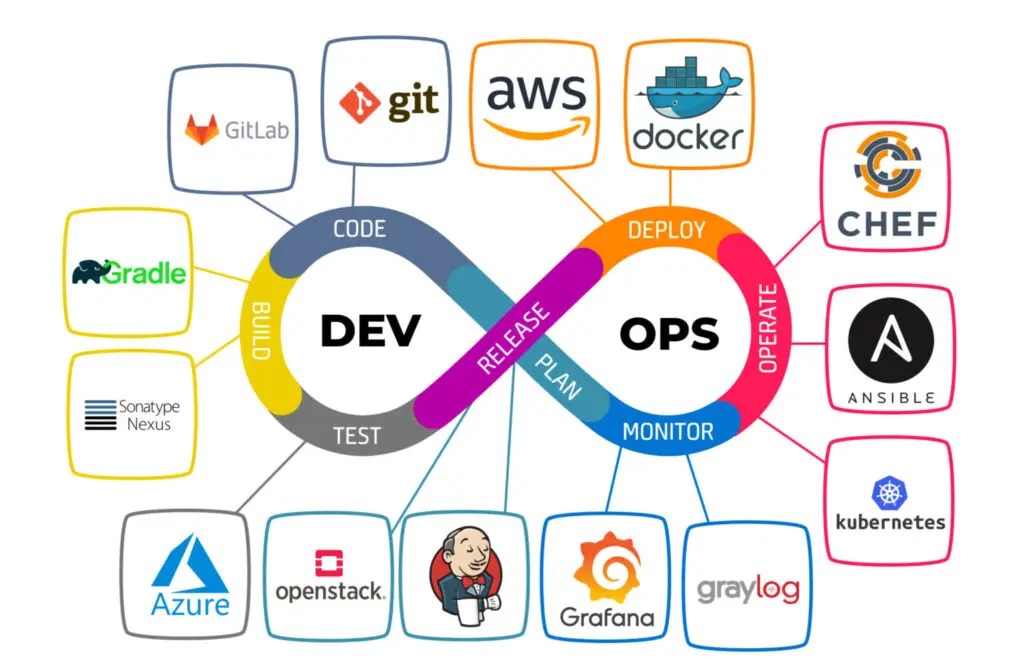
DevOps live projects training allows learners to understand these processes through practical implementation. Students can work with version control, Jenkins, Docker, Kubernetes, scripting, automated testing, and deployment pipelines.
A structured Cloud DevOps training with real projects program connects cloud infrastructure with modern DevOps workflows. Learners understand how to configure environments, automate infrastructure, deploy applications, manage containers, and monitor system performance.
This combination helps students develop technical knowledge that is relevant to modern software development environments.
Gain Valuable Experience Through Practical Projects
Practical implementation is essential for understanding how technologies work in professional environments. Cloud live industry projects introduce learners to realistic cloud infrastructure scenarios involving application hosting, resource configuration, security management, networking, and monitoring.
Students can understand how different cloud services interact and how infrastructure decisions affect application performance.
Similarly, Real time DevOps projects provide opportunities to practise automated deployments, continuous integration, configuration management, and application monitoring. Learners can investigate technical issues and understand how to resolve common deployment challenges.
Working on Industry level DevOps projects also develops familiarity with professional workflows. These projects may involve source code management, automated testing, container orchestration, infrastructure automation, and release management.
Project documentation and implementation experience can strengthen technical portfolios and provide valuable discussion points during job interviews.
Learn Directly From Experienced Industry Experts
Guidance from experienced professionals can improve the overall learning experience. DevOps training by industry expert helps learners understand practical engineering techniques, modern tools, and common challenges associated with software delivery.
Industry professionals can explain how development teams manage application releases, automate repetitive activities, monitor infrastructure, and maintain reliable systems.
A Mentor led DevOps program provides structured guidance through practical demonstrations, assignments, project reviews, and technical discussions. Mentors can help students identify knowledge gaps, improve troubleshooting techniques, and develop confidence when working with unfamiliar technologies.
Continuous feedback also encourages learners to understand concepts instead of simply memorizing commands.
Improve Technical Knowledge With Interview Preparation
Technical interviews evaluate both theoretical understanding and practical problem-solving abilities. Candidates should be prepared to explain their knowledge and demonstrate how they approach real technical situations.
A DevOps interview preparation program helps learners practise important topics such as Linux, Git, networking, cloud services, Docker, Kubernetes, Jenkins, CI/CD pipelines, and infrastructure automation.
Mock interviews, scenario-based questions, and project discussions help candidates improve their communication and technical presentation.
Students should also prepare a professional resume that highlights their technical skills, completed projects, certifications, and relevant experience.
Find Suitable Opportunities Through Placement Assistance
Career guidance can help learners understand employment requirements and prepare for recruitment opportunities.
A DevOps job placement program may include resume preparation, interview guidance, career counselling, and assistance identifying suitable job openings. These services can help candidates approach employers with better preparation.
Likewise, a Cloud job placement program can support individuals interested in cloud computing roles. Depending on their knowledge and experience, candidates may explore positions such as cloud engineer, cloud administrator, cloud support associate, infrastructure engineer, and DevOps engineer.
Before joining a program, learners should carefully review placement policies, eligibility requirements, employer connections, and the assistance included. Placement support does not guarantee employment, as final selection depends on individual performance and employer requirements.
Choose a Training Institute That Focuses on Practical Learning
Selecting the right training institute requires careful research. Students should evaluate the course syllabus, trainer experience, project opportunities, mentoring support, practical sessions, and interview preparation facilities.
bootcampexperts focuses on combining technical education with practical learning and career-oriented guidance. Reviewing the training structure can help learners understand whether the available program matches their professional objectives.
Conclusion
Building a successful career in cloud computing and DevOps requires continuous learning, practical experience, and strong problem-solving abilities. Understanding modern technologies, completing realistic projects, receiving expert mentorship, and preparing for technical interviews can help aspiring professionals develop valuable industry skills.
With consistent practice and the right learning approach, individuals can strengthen their technical foundation, explore emerging IT opportunities, and work toward long-term professional growth.
bootcampexperts encourages learners to focus on practical knowledge, technical development, and career preparation while exploring opportunities in the expanding cloud computing and DevOps industry.

FURTHER READING...







Latest - post






CONTACT US
Category
- blog (555)
- Bookkeeping (5)
- Business (615)
- driving (10)
- Environment (5)
- Health (79)
- Home (75)
- Industrial Equipment (1)
- IT Security & Payment Solutions (1)
- lawyer (1)
- Marketing (8)
- Medical (13)
- Panto sunglasses (1)
- Relationship (4)
- Trade Show Displays (1)
- travel (19)
- Wedding Photography&Event (1)
