
Protecting Indoor Environments Through Mercury Sampling and Air Quality Testing
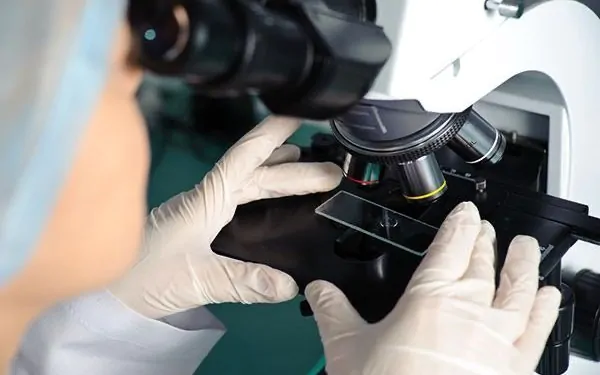
Maintaining a healthy indoor environment requires more than keeping spaces clean and comfortable. Buildings can contain environmental contaminants that are not always visible but may affect occupants and building conditions. Mercury is one such substance that requires careful assessment because exposure can present health concerns. EPA Mercury Sampling is an important part of evaluating potential mercury contamination and understanding whether appropriate corrective measures may be needed. Alongside other environmental assessments, indoor air quality testing helps identify conditions that could affect the safety and comfort of a building.
Understanding Mercury and Its Environmental Risks
Mercury is a naturally occurring element that can be found in different forms. It has historically been used in certain industrial processes, measuring devices, electrical equipment, and other products. When mercury-containing materials break or are improperly handled, mercury may be released into the surrounding environment.
Elemental mercury can produce vapour at room temperature. Inhaling mercury vapour can create health risks, particularly when exposure occurs over an extended period or at elevated concentrations. This makes proper identification, sampling, and management important whenever mercury contamination is suspected.
Why Mercury Sampling Is Important
Mercury sampling helps determine whether mercury is present in a particular environment and provides information about the extent of potential contamination. Testing may be necessary following a spill, the breakage of mercury-containing equipment, or the discovery of suspected contaminated materials.
Environmental professionals use appropriate sampling procedures to collect and evaluate samples. Depending on the situation, testing may involve surface materials, indoor air, or other environmental media. The selected approach depends on the suspected source, site conditions, and relevant regulatory requirements.
Understanding EPA Sampling Requirements
Environmental testing should follow appropriate methods and quality-control procedures. EPA-related sampling guidance helps establish consistent approaches for collecting, handling, and analysing environmental samples.
Proper documentation is also important. Sampling locations, collection procedures, equipment, and laboratory findings should be recorded so that the results can be interpreted accurately. Professional assessment helps determine which sampling methods are suitable for a particular property or environmental concern.
The Importance of Indoor Environmental Assessment
Indoor environments can be affected by several factors, including ventilation, moisture, building materials, outdoor pollutants, and activities taking place inside a property. These factors may influence occupant comfort and the overall condition of a building.
Professional Indoor Air Quality Testing Services can help evaluate potential indoor environmental concerns. Depending on the assessment objectives, testing may focus on airborne particles, biological contaminants, chemical pollutants, or other conditions that could affect indoor air.
Common Factors That Affect Indoor Air Quality
Several sources can contribute to indoor air quality problems. Some are related to building conditions, while others result from everyday activities.
Common factors include:
- Insufficient ventilation and limited fresh-air circulation.
- Moisture intrusion and persistent dampness.
- Mold growth in areas affected by water damage.
- Dust and particles from renovation or construction.
- Chemical emissions from cleaning products and building materials.
- Smoke and combustion-related pollutants.
- Poorly maintained heating and cooling systems.
Identifying potential sources is an important part of understanding indoor environmental conditions. Testing can provide additional information when a building assessment indicates that further investigation is necessary.
The Indoor Air Quality Testing Process
Indoor air quality assessments generally begin with a review of the property and the concerns reported by occupants or building managers. Environmental professionals may inspect ventilation systems, visible moisture conditions, building materials, and other potential sources of contamination.
Based on the findings, they can recommend appropriate sampling methods. Air samples may be collected from selected rooms or locations and submitted for laboratory analysis when required. The results help identify potential concerns and support decisions about further investigation or corrective action.
The Role of Professional Laboratory Analysis
Reliable laboratory analysis is essential for obtaining meaningful environmental testing results. Samples must be collected, labelled, transported, and analysed using appropriate procedures. Quality-control practices help maintain the accuracy and consistency of the findings.
A detailed report can explain the sampling locations, analytical methods, and results. Environmental professionals can then interpret the findings in relation to the building conditions and applicable guidelines. This information helps property owners understand whether additional assessment or remediation may be appropriate.
Benefits for Property Owners and Building Managers
Environmental testing can be valuable for residential, commercial, and industrial properties. It provides information that may help building owners investigate occupant concerns, assess possible contamination, and plan maintenance activities.
For property managers, testing documentation can also support environmental records and future building decisions. Identifying potential problems early may help prevent them from becoming more complicated or expensive to address.
Supporting Healthier Indoor Spaces
Mercury sampling and indoor environmental testing serve important roles in identifying potential contaminants and understanding building conditions. Each assessment should be selected according to the specific concern rather than relying on a single general testing approach.
By using qualified environmental professionals, following appropriate sampling procedures, and reviewing laboratory findings carefully, property owners can make better-informed decisions. A systematic approach to environmental assessment supports responsible building management and helps create safer, more comfortable indoor spaces.

FURTHER READING...




Latest - post






CONTACT US
Category
- blog (567)
- Bookkeeping (5)
- Business (648)
- driving (10)
- Environment (5)
- Health (88)
- Home (75)
- Industrial Equipment (1)
- IT Security & Payment Solutions (1)
- lawyer (1)
- Marketing (8)
- Medical (13)
- Panto sunglasses (1)
- Relationship (4)
- Trade Show Displays (1)
- travel (19)
- Wedding Photography&Event (1)
