
Timeless Furniture: How Global Design Traditions Shape Modern Living
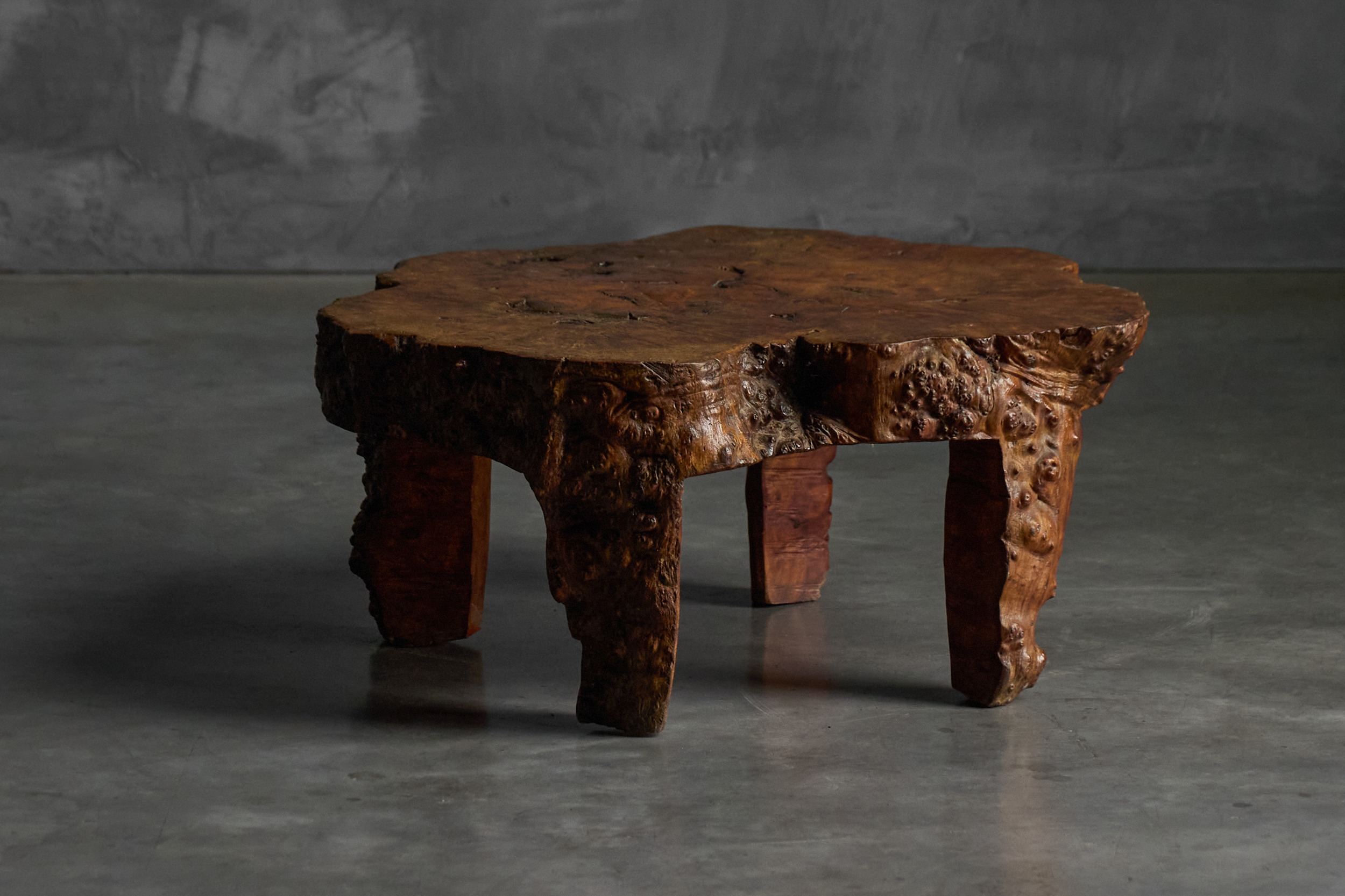
Great furniture has the power to transform an ordinary room into a meaningful living environment. Beyond comfort and practicality, a thoughtfully designed piece can communicate history, craftsmanship, culture, and personality. From traditional handmade objects to celebrated twentieth-century icons, the world of furniture offers endless inspiration. Today, this rich design heritage continues to influence interiors through Folk art, Vernacular craftsmanship, Alpine Design, Rural aesthetics, and sophisticated forms of Rustic Furniture.
Traditional design often begins with the resources and lifestyle of a particular community. Folk art represents this connection beautifully, combining local techniques with cultural storytelling. Similarly, Vernacular design develops from practical needs and regional materials rather than from a predetermined international style. This makes Rural furniture especially distinctive because its character often comes directly from the environment in which it was created.
The appeal of Rustic Furniture has grown significantly in contemporary interiors. Natural timber, textured surfaces, visible joints, and handcrafted details can bring warmth to minimalist spaces. Alpine Design provides a strong example of this philosophy. Inspired by mountain regions, it traditionally emphasizes durable construction, natural materials, and a comfortable relationship with the surrounding landscape. These qualities remain attractive to homeowners looking for interiors that feel relaxed and authentic.
Another important philosophy is Wabi Sabi, the Japanese appreciation of imperfection, simplicity, and natural aging. In furniture, this can mean celebrating variations in wood grain, handmade surfaces, subtle irregularities, and signs of time. Rather than hiding every imperfection, Wabi Sabi encourages us to see character and beauty in the natural life of an object.
European modernism introduced different approaches to proportion, structure, and decoration. Dom Hans van der Laan investigated the relationship between architectural proportions and human experience, creating a highly disciplined design language. His work demonstrates how simplicity can produce depth and visual harmony without relying on excessive ornament.
The Amsterdamse School, on the other hand, embraced expressive forms and detailed craftsmanship. Emerging in the Netherlands, its influence can be seen in architecture, interiors, and decorative objects. It demonstrates that furniture can participate in a larger artistic environment rather than functioning as an isolated object.
The arrival of Art Deco brought glamour, geometry, and sophisticated material combinations into furniture design. Strong lines, symmetrical compositions, rich surfaces, and decorative details created a distinctive visual identity. While very different from Rural craftsmanship, Art Deco shares an important quality with traditional furniture: both use design to establish atmosphere and character.
During the twentieth century, Mid-Century Design shifted attention toward functional living. Designers explored clean silhouettes, ergonomic forms, innovative materials, and efficient manufacturing. This period helped popularize the concept of Functional Art, where furniture could be useful while also possessing the visual qualities of sculpture.
Among the important designers of this era, Pierre Chapo stands out for his powerful use of wood. His furniture often emphasizes substantial proportions and expressive construction, allowing timber to become the primary visual feature. Charlotte Perriand approached furniture from another perspective, focusing on modern lifestyles, architecture, and the relationship between people and their surroundings. Her work demonstrated that practical furniture could also be elegant and culturally significant.
Engineering also became increasingly important in furniture design through figures such as Jean Prouvé. His knowledge of construction and manufacturing allowed him to create furniture with a clear structural logic. His work illustrates how industrial techniques can support thoughtful design rather than simply prioritizing mass production.
Italian designers further expanded the possibilities of modern furniture. Afra & Tobia Scarpa explored materials, technology, and comfort through a sophisticated design language. Meanwhile, Mario Bellini developed furniture that combined expressive shapes with practical functionality. His Camaleonda seating system became especially influential because of its modular structure, sculptural appearance, and adaptability to different interiors.
Outside Europe, Brazilian Design offers an inspiring relationship between furniture and nature. Brazilian designers have frequently incorporated native woods, organic shapes, and relaxed forms, reflecting the country’s distinctive environment and cultural identity. Their work demonstrates how regional influences can create furniture that feels both authentic and internationally relevant.
The philosophy of Nakashima provides another powerful example of material-led design. His furniture celebrates the individuality of wood rather than treating natural variations as flaws. Grain patterns, knots, cracks, and organic edges can become essential parts of a piece’s identity. This approach is particularly meaningful today as people seek furniture that feels unique, durable, and connected to nature.
For modern interiors, these diverse traditions do not have to remain separate. A contemporary home can combine the warmth of Rustic Furniture with the discipline of Mid-Century Design, the natural philosophy of Wabi Sabi, or the sophistication of Art Deco. This freedom allows homeowners to create spaces that reflect individual taste rather than following a single design category.
At goldwoodbyboris, the appreciation of timeless furniture can be understood through this combination of craftsmanship, materiality, and design history. The most successful interiors often balance beauty with everyday usability, creating rooms that feel sophisticated without becoming disconnected from real life.
Ultimately, furniture becomes memorable when it has a story. Whether that story comes from Folk art, Vernacular traditions, European modernism, Brazilian Design, or the natural philosophy associated with Nakashima, every meaningful piece contributes something beyond its physical function. The continuing influence of designers such as Pierre Chapo, Charlotte Perriand, Jean Prouvé, and Mario Bellini proves that good design can transcend decades.
As contemporary interiors continue to evolve, the strongest ideas remain surprisingly consistent: respect the material, understand the user, value craftsmanship, and design with purpose. These principles allow furniture to move beyond temporary trends and become lasting elements of everyday life. That is the true strength of timeless design—its ability to connect history, art, functionality, and modern living in one enduring object.

FURTHER READING...








Creating Memorable Corporate Events in Diu
October 8, 2026


Ασφαλείς και υπεύθυνες επιλογές για φαρμακευτικές αγορές online
October 8, 2026
Latest - post





CONTACT US
Category
- blog (481)
- Bookkeeping (5)
- Business (413)
- driving (6)
- Environment (5)
- Health (33)
- Home (74)
- Industrial Equipment (1)
- IT Security & Payment Solutions (1)
- lawyer (1)
- Marketing (8)
- Medical (13)
- Panto sunglasses (1)
- Relationship (4)
- Trade Show Displays (1)
- travel (18)
- Wedding Photography&Event (1)
