
Understanding Legal Representation and Alternative Dispute Resolution in India
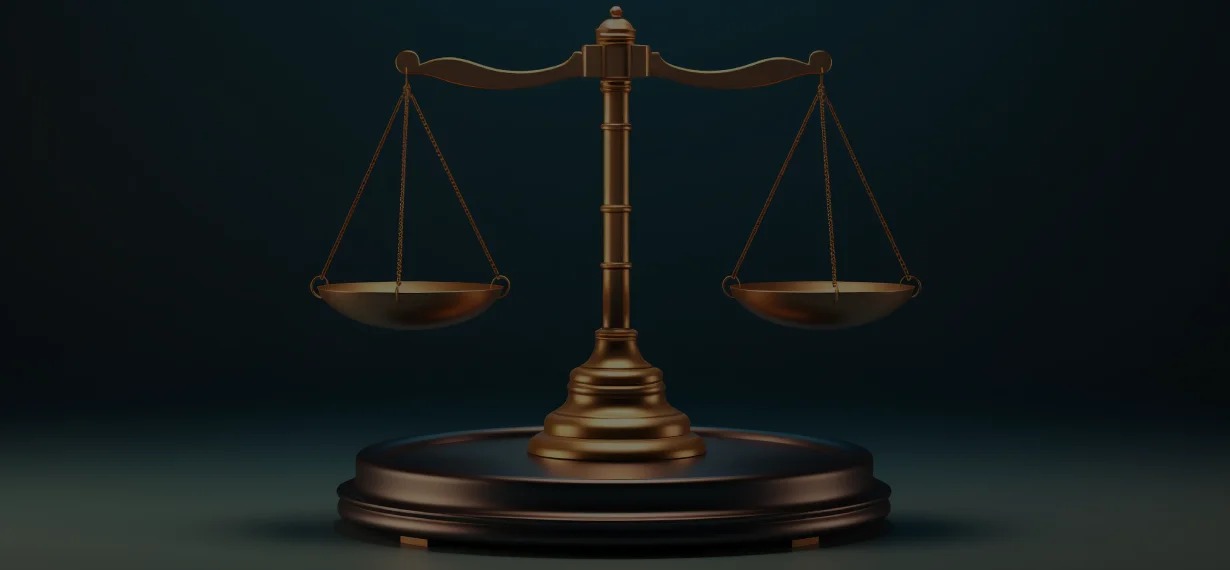
Legal matters can arise in personal, professional, and commercial situations, often requiring careful interpretation of laws, contracts, and individual rights. Whether someone is dealing with a business disagreement, a contractual issue, or a complex legal concern, understanding the available legal options is essential. Choosing a suitable Law Firm in Delhi can help individuals and organisations obtain professional guidance, assess their circumstances, and understand the procedures that may apply to their cases.
Understanding the Role of a Law Firm
A law firm provides professional legal services to individuals, businesses, institutions, and other organisations. Depending on its practice areas, a firm may assist with corporate matters, commercial agreements, litigation, intellectual property, real estate transactions, dispute resolution, and regulatory compliance.
Legal professionals help clients understand their rights and obligations, review documents, prepare legal strategies, and navigate applicable procedures. Their work may also involve negotiation, representation before courts or tribunals, and assistance with transactions that require legal review.
The nature of legal support depends on the facts of each matter. Some situations require preventive advice, while others involve formal proceedings or negotiations between parties.
Why Businesses Need Professional Legal Guidance
Businesses operate within a framework of laws and regulations that influence their contracts, employment arrangements, financial activities, and commercial relationships. Understanding these requirements can help organisations avoid unnecessary disputes and maintain responsible operations.
Legal professionals may assist businesses with reviewing agreements, structuring transactions, identifying contractual risks, and understanding regulatory obligations. They can also provide guidance when a disagreement arises with a supplier, customer, business partner, employee, or another organisation.
Early legal consultation can be valuable because it allows businesses to understand their position before taking significant action. Proper documentation and clear contractual terms can also reduce uncertainty in commercial relationships.
Understanding Alternative Dispute Resolution in India
Disagreements do not always need to proceed through lengthy court litigation. Alternative Dispute Resolution India refers to methods used to resolve disputes outside conventional court proceedings, subject to applicable legal requirements.
Common forms of alternative dispute resolution include negotiation, mediation, conciliation, and arbitration. These methods offer different processes for addressing disagreements and may be suitable for different types of disputes.
Negotiation involves direct discussions between parties to reach a mutually acceptable outcome. Mediation introduces a neutral third party who helps the participants communicate and explore possible solutions. Conciliation also involves assistance from a neutral professional, while arbitration involves an independent arbitrator or tribunal making a decision in accordance with the applicable arbitration framework.
The Importance of Mediation and Negotiation
Mediation and negotiation can provide practical ways to address disputes without immediately starting formal litigation. They may be particularly useful when parties want to preserve an ongoing commercial, professional, or personal relationship.
During mediation, the neutral mediator facilitates discussion but does not generally impose a decision. The parties retain control over whether to reach an agreement. Negotiation may be conducted directly or with the assistance of legal representatives, depending on the circumstances.
These approaches can offer flexibility in scheduling and discussions. However, their suitability depends on the nature of the dispute, the willingness of the parties to participate, and any legal or contractual requirements that apply.
Understanding Arbitration as a Dispute Resolution Method
Arbitration is a formal dispute resolution process in which parties refer their disagreement to an independent arbitrator or arbitral tribunal. The process is commonly based on an arbitration agreement and is governed by applicable legal provisions.
In India, arbitration is principally regulated by the Arbitration and Conciliation Act, 1996, as amended. The law provides a framework for domestic arbitration and international commercial arbitration, along with related procedures and requirements.
Arbitration may be used in commercial contracts, infrastructure projects, business partnerships, and other arrangements where parties have agreed to resolve certain disputes through this process. The procedure can involve written submissions, evidence, hearings, and an arbitral award.
Before choosing arbitration, parties should understand the arbitration clause, appointment process, applicable rules, costs, and legal consequences of the award.
Benefits and Limitations of Alternative Dispute Resolution
Alternative dispute resolution can provide several practical advantages, depending on the circumstances:
- Flexibility: Certain procedures allow parties to agree on schedules and process arrangements.
- Confidentiality: Some ADR processes offer greater privacy than public court proceedings, subject to applicable laws and rules.
- Specialised knowledge: Parties may select an arbitrator with relevant technical or commercial expertise where permitted.
- Relationship management: Mediation and negotiation may help preserve professional or business relationships.
- Procedural efficiency: Some disputes may be resolved without following every stage of conventional litigation.
However, ADR is not suitable for every matter. Certain disputes may require court intervention, urgent protective orders, or formal legal determinations. Parties should also consider costs, enforceability, procedural fairness, and the possibility that discussions may not result in an agreement.
Choosing the Appropriate Dispute Resolution Method
The correct approach depends on the nature of the disagreement and the objectives of the parties. A relatively straightforward contractual issue may be suitable for negotiation, while a complex commercial dispute may involve mediation or arbitration.
The wording of the relevant contract is particularly important. An agreement may contain a dispute resolution clause specifying the process, location, governing rules, or appointment arrangements. Reviewing these provisions before taking action can help avoid procedural complications.
Legal professionals can explain the advantages and limitations of different options. They can also assess whether a matter should be addressed through negotiation, ADR, court proceedings, or a combination of appropriate legal steps.
The Value of Proper Documentation
Documentation plays an important role in both dispute prevention and resolution. Contracts, invoices, correspondence, meeting records, payment details, and other relevant documents can help establish what happened and clarify the responsibilities of each party.
Businesses should maintain organised records and ensure that important agreements are properly reviewed before signing. Clear provisions concerning performance, payment, confidentiality, termination, and dispute resolution can help reduce misunderstandings.
When a dispute develops, preserving relevant documents and avoiding informal changes to important records can support a more accurate assessment of the matter.
Conclusion
Professional legal guidance helps individuals and businesses understand their rights, obligations, and available options. Alternative dispute resolution provides several methods for addressing disagreements outside conventional litigation, although the appropriate approach depends on the facts and applicable law. By understanding negotiation, mediation, conciliation, and arbitration, parties can make more informed decisions about managing disputes and protecting their legal interests in India.

FURTHER READING...

Znaczenie Profesjonalnych Instalacji Elektrycznych i Wodnych w Budynkach
November 27, 2026
Why a Masters Blue Chair Is Perfect for Contemporary Homes
November 27, 2026
When to Call a Lock Smith to Fix Lock Problems
November 27, 2026




Latest - post





CONTACT US
Category
- blog (569)
- Bookkeeping (5)
- Business (662)
- driving (10)
- Environment (5)
- Health (90)
- Home (75)
- Industrial Equipment (1)
- IT Security & Payment Solutions (1)
- lawyer (1)
- Marketing (8)
- Medical (13)
- Panto sunglasses (1)
- Relationship (4)
- Trade Show Displays (1)
- travel (19)
- Wedding Photography&Event (1)
