
What Are the Most Effective Methods for Ant and Insect Control?
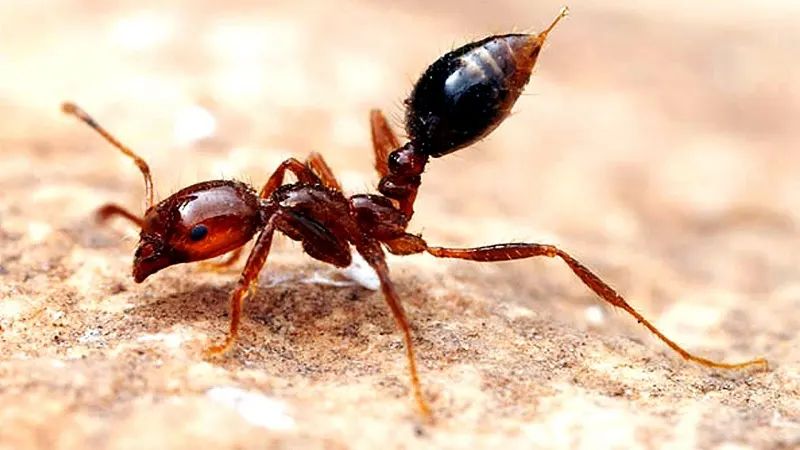
Ants and other insects can quickly become a nuisance in homes, offices, restaurants, and commercial properties. They can contaminate food, damage household items, and create unhygienic conditions. Although some insects cause little harm, others can spread bacteria, trigger allergies, or damage wooden structures. Effective pest management helps protect your property and maintain a clean, comfortable environment.
Choosing the right Ant and Insect Control method depends on the type of pest, the severity of the infestation, and the areas where insects gather. A combination of preventive measures, targeted treatments, and professional pest management often delivers the best results. With the right approach, you can control existing pests and reduce the chances of future infestations.
Why Is Effective Ant and Insect Control Important?
Ants, cockroaches, flies, mosquitoes, and other insects can enter properties through small gaps, open windows, drains, and poorly sealed doors. They often seek food, water, shelter, and suitable breeding conditions. Once they find these resources, they may multiply and establish colonies.
Effective pest control helps eliminate these problems before they become difficult to manage. Ants can contaminate food preparation surfaces, while cockroaches may carry harmful microorganisms. Mosquitoes can also pose health risks by transmitting certain diseases.
A reliable pest management plan addresses the insects you can see and the conditions that attract them. Instead of treating only visible pests, it focuses on identifying entry points, removing food sources, and targeting hidden nesting or breeding areas.
How Can You Prevent Ants and Insects from Entering Your Property?
Prevention plays an essential role in long-term pest management. By maintaining a clean environment and reducing access to food and water, you can make your property less attractive to insects.
Follow these practical steps:
- Store food securely: Keep groceries, snacks, and pet food in airtight containers.
- Clean surfaces regularly: Wipe kitchen counters, dining tables, and cooking areas to remove food crumbs and sticky residues.
- Dispose of rubbish properly: Use covered bins and empty them frequently.
- Repair leaks: Fix leaking taps and pipes to eliminate unnecessary moisture.
- Seal entry points: Close gaps around windows, doors, pipes, and wall openings.
- Maintain outdoor areas: Remove standing water, trim vegetation near buildings, and keep rubbish away from entrances.
These simple measures help reduce the resources insects need to survive. Consistent cleaning and maintenance also make it easier to identify early signs of an infestation.
Which Ant Pest Control Methods Deliver the Best Results?
Ants often follow established trails between food sources and their nests. Spraying the ants you see may provide temporary relief, but it may not eliminate the colony responsible for the infestation.
Effective Ant Pest Control starts with identifying the ant species and locating the areas where workers enter and search for food. Different species respond to different treatments, so accurate identification helps determine the best approach.
Ant baits can provide effective control when workers carry the bait back to the colony. The bait contains an insecticide designed to act slowly enough to reach other colony members, including the queen in suitable species and circumstances. Place baits according to the product label and keep them away from children and pets.
You should also remove food sources, clean ant trails, and seal suitable entry points. Avoid spraying insecticides directly on or around bait stations unless the product instructions permit it, as some sprays can interfere with bait effectiveness.
For persistent infestations, professional pest control technicians can identify nesting locations, select suitable treatments, and recommend measures to prevent ants from returning.
Are Insecticides Effective for Controlling Different Insects?
Insecticides can help manage many pest problems when you select and apply them correctly. However, no single product works equally well against every insect. A treatment designed for crawling insects may not provide effective control of flying insects or insects that live inside walls.
Before using any insecticide, identify the pest and read the product label carefully. Follow the specified application rates, safety precautions, and re-entry instructions. Never apply household insecticides to food, dishes, or surfaces where the label prohibits their use.
Targeted treatments generally offer better control than unnecessary, widespread spraying. For example, suitable baits may help control ants and cockroaches, while approved residual treatments may target insects that repeatedly travel across treated surfaces.
You should also consider non-chemical options, such as traps, screens, vacuuming, and physical exclusion. Combining these methods with carefully selected insecticides can improve results while reducing unnecessary chemical exposure.
How Does Integrated Pest Management Improve Insect Control?
Integrated Pest Management (IPM) combines inspection, prevention, monitoring, and targeted treatment. Instead of relying on insecticides alone, this approach addresses the underlying causes of pest infestations.
The process usually begins with a detailed inspection. A technician looks for insect activity, droppings, nesting areas, moisture problems, and possible entry points. This information helps determine the type and extent of the infestation.
The next step involves removing the conditions that support pest activity. Sealing cracks, repairing leaks, improving sanitation, and managing outdoor vegetation can reduce the likelihood of reinfestation.
Monitoring then helps determine whether the treatment works. Traps, visual inspections, and follow-up visits can reveal remaining insect activity. If the problem continues, the pest management plan can be adjusted.
IPM offers a practical solution because it focuses on long-term prevention rather than temporary relief. It can also help limit unnecessary pesticide use by prioritising appropriate, targeted interventions.
When Should You Hire a Professional Pest Control Service?
Some minor insect problems respond well to cleaning, sealing, and carefully placed traps or baits. However, professional assistance becomes valuable when insects continue to return despite repeated efforts.
Consider contacting a pest control service if you notice large ant trails, repeated cockroach sightings, insect nests in difficult-to-reach areas, or signs of structural damage caused by pests. A professional can also help when you cannot identify the insect or determine where it originates.
Experienced technicians assess the infestation and recommend treatments suited to the pest species and property conditions. They can explain preparation requirements, treatment limitations, and any necessary precautions for occupants and pets.
Mega Pest Control can be included in your research when comparing pest management providers. Before choosing a service, ask about its inspection process, treatment methods, safety practices, and follow-up support. Clear communication helps you understand what the treatment involves and how to maintain the results.
How Can You Maintain Long-Term Protection Against Ants and Insects?
Long-term pest prevention requires regular attention. Even after a successful treatment, insects may return if food sources, moisture, or entry points remain accessible.
Create a routine that includes cleaning food preparation areas, inspecting storage spaces, checking for leaks, and sealing newly discovered gaps. Keep outdoor rubbish bins covered and remove standing water where mosquitoes could breed.
Inspect areas where insects commonly hide, including cupboards, basements, utility rooms, and spaces beneath sinks. Use suitable traps or monitoring methods to identify renewed activity early.
If you have previously experienced a serious infestation, schedule professional inspections when appropriate. Follow the technician’s recommendations and maintain any preventive measures included in your treatment plan.
Mega Pest Control can serve as a brand reference when discussing professional solutions that combine inspection, targeted treatment, and preventive advice. The key is to choose a service that explains its methods clearly and tailors its approach to your specific pest problem.
What Is the Best Way to Achieve Reliable Ant and Insect Control?
The most effective pest management strategy combines prevention, accurate pest identification, targeted treatments, and consistent monitoring. Cleaning regularly, storing food securely, sealing entry points, and eliminating excess moisture can prevent many common infestations.
When ants or other insects persist, appropriate baits and carefully selected insecticides may help resolve the problem. Professional pest control services can provide additional support for larger, recurring, or difficult-to-reach infestations.
By addressing both the visible insects and the conditions that attract them, you can protect your property more effectively. A consistent, well-planned approach to Ant and Insect Control helps create a cleaner, healthier, and more comfortable environment throughout the year.

FURTHER READING...

Why Should You Hire Experts for Water Damage Repair?
October 24, 2026


Can Industrial Cleaning Services Help Reduce Workplace Hazards?
October 23, 2026


Latest - post




CONTACT US
Category
- blog (507)
- Bookkeeping (5)
- Business (468)
- driving (10)
- Environment (5)
- Health (55)
- Home (75)
- Industrial Equipment (1)
- IT Security & Payment Solutions (1)
- lawyer (1)
- Marketing (8)
- Medical (13)
- Panto sunglasses (1)
- Relationship (4)
- Trade Show Displays (1)
- travel (19)
- Wedding Photography&Event (1)
