
What Industries Can Benefit From a Soft Robotic Gripper?
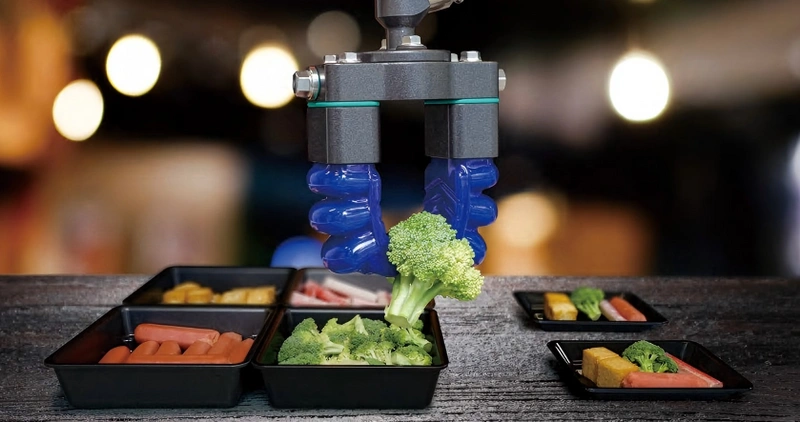
Automation continues to transform how businesses handle products, materials, and repetitive tasks. However, traditional robotic grippers can struggle when they need to handle delicate, irregular, or easily damaged objects. A Soft robotic gripper offers a different approach by using flexible materials and adaptive movement to grasp objects more gently.
Unlike rigid robotic fingers, soft grippers can conform to different shapes and surfaces. This flexibility makes Soft gripping useful across industries that require careful handling, product consistency, and efficient automation. From food processing to healthcare, manufacturers can use this technology to improve handling while reducing the risk of product damage.
Why Is Soft Gripping Useful Across Different Industries?
Soft gripping provides robots with a more adaptable way to interact with objects. Traditional grippers often depend on fixed mechanical movements and specific contact points. A soft gripper can deform around an object and distribute gripping pressure across a larger surface.
This feature becomes especially valuable when products vary in size, shape, texture, or weight. Businesses can automate tasks without designing a completely different gripping system for every product.
A Soft robotic gripper can also support safer handling of fragile materials. By applying controlled pressure, it can pick up objects without creating excessive force. This combination of flexibility and precision gives manufacturers more opportunities to automate processes that once required manual handling.
How Can the Food and Beverage Industry Use Soft Robotic Grippers?
The food and beverage industry is one of the clearest applications for Soft gripping technology. Many food products have delicate surfaces and irregular shapes. Conventional grippers may bruise, crush, or otherwise damage these products.
Soft robotic systems can gently pick and place items such as fruits, vegetables, baked goods, packaged foods, and other delicate products. Their flexible fingers can adjust to different shapes while maintaining a secure grip.
For example, a food processing facility may use a soft gripper to move tomatoes, pastries, or other fragile products from one conveyor to another. Automation can improve production speed while helping maintain product quality.
Soft grippers can also support repetitive packaging and sorting operations. By reducing manual handling, companies can improve workflow consistency and allow employees to focus on tasks that require greater judgment or oversight.
Can Agriculture Benefit From Soft Robotic Grippers?
Agriculture presents unique automation challenges because crops differ naturally in size, shape, firmness, and maturity. A rigid gripper may not handle these variations effectively.
A Soft robotic gripper can provide a gentler approach to harvesting and crop handling. Its flexible structure can adapt to produce while reducing unnecessary pressure.
Potential applications include harvesting fruits and vegetables, sorting produce, and transferring crops during processing. Soft gripping can help automate tasks that traditionally require workers to judge how much force an item can tolerate.
As agricultural automation develops, soft robotic systems may become increasingly useful for reducing repetitive labor while protecting crop quality.
How Can Healthcare and Medical Manufacturing Use Soft Gripping?
Healthcare and medical manufacturing require careful handling of products and materials. Many medical components can be small, delicate, or sensitive to pressure.
Soft grippers can help automate the movement of medical devices, laboratory items, packaging, and other lightweight components. Their compliant design can reduce the risk of damage during automated handling.
In laboratory environments, soft robotic technology may also assist with repetitive pick-and-place operations. Automation can improve consistency and reduce the amount of repetitive work performed by technicians.
Medical manufacturing companies can therefore explore Soft gripping where traditional rigid robotic systems may apply more force than necessary.
Why Is Electronics Manufacturing a Potential Application?
Electronics manufacturing involves components that may be small, lightweight, and sensitive. Automated systems must handle these products accurately while avoiding unnecessary contact pressure.
A Soft robotic gripper can provide controlled handling for components, assemblies, packaging materials, and finished products. Its ability to adapt to different shapes can also help manufacturers manage product variations.
Soft gripping may be particularly useful when manufacturers handle objects that have delicate surfaces or irregular geometries. By combining robotic precision with flexible contact, companies can improve automation without relying entirely on rigid gripping mechanisms.
Can E-Commerce and Logistics Use Soft Robotic Grippers?
Warehouses and fulfillment centers handle thousands of different products every day. Items may range from boxes and containers to clothing, household goods, and irregularly shaped packages.
A conventional gripper designed for one product type may struggle when product dimensions change. Soft gripping technology can provide greater adaptability.
A soft gripper can pick objects from bins, move products between conveyors, and assist with packing or sorting. Its flexible structure can help robots handle a wider variety of items without changing tools as frequently.
This capability can support more flexible warehouse automation. Businesses can potentially increase throughput while reducing repetitive manual handling.
How Can the Automotive Industry Apply Soft Robotic Technology?
The automotive industry has extensive experience with robotic automation, particularly for welding, assembly, painting, and material handling. However, some components require more flexible handling.
A Soft robotic gripper can assist with handling interior components, rubber parts, cables, plastic components, and other products that may require controlled contact.
Soft gripping can also complement traditional industrial robots. Instead of replacing every existing robotic system, manufacturers can use soft end-effectors for specific applications where flexibility provides an advantage.
This approach allows automotive manufacturers to select gripping technology according to the characteristics of each task.
Could Consumer Goods Manufacturing Benefit From Soft Gripping?
Consumer goods manufacturers produce products in many shapes, sizes, and materials. Items such as bottles, personal-care products, household goods, toys, and packaged products often require different handling methods.
Soft grippers can adapt to product variations and provide gentle contact during sorting, packaging, and assembly.
For high-volume production, this flexibility can help companies automate more processes. It can also reduce product damage caused by excessive gripping force.
Soft Robotics Inc focuses on soft robotic technologies that demonstrate how flexible automation can address challenging handling applications. The technology can help businesses explore new ways to automate products that traditional gripping systems may find difficult to handle.
What Advantages Does a Soft Robotic Gripper Offer?
Several characteristics make soft robotic grippers attractive across industries:
Flexible handling: Soft fingers can conform to different object shapes.
Gentle contact: The gripper can reduce excessive pressure on fragile products.
Product adaptability: One system may handle multiple object types.
Automation potential: Soft grippers can perform repetitive pick-and-place tasks.
Reduced damage risk: Controlled contact can help protect sensitive products.
Operational flexibility: Companies can apply the technology to different stages of production, sorting, packaging, and material handling.
These advantages do not mean that soft grippers replace traditional robotic grippers in every situation. Instead, they provide another tool for businesses with specialized handling requirements.
What Should Businesses Consider Before Adopting Soft Gripping?
Before investing in a Soft robotic gripper, businesses should evaluate the objects, production environment, required cycle time, payload, and gripping conditions.
The material and surface of the product matter as well. A gripper must provide enough force to hold an object securely without damaging it. Companies should also consider cleaning requirements, environmental conditions, integration with existing robots, and maintenance needs.
Testing is an important part of the selection process. Businesses can evaluate how the gripper performs with actual products rather than relying only on specifications.
They should also consider whether the system can accommodate future product changes. A flexible gripper can offer greater value when production lines handle multiple products or frequently introduce new designs.
How Can Soft Robotics Support the Future of Automation?
Automation is moving beyond simple repetitive movements toward systems that can interact with a wider range of objects. Soft robotic technology supports this transition by giving robots more adaptable physical interaction.
Industries such as food processing, agriculture, healthcare, electronics, logistics, automotive manufacturing, and consumer goods can all explore applications for Soft gripping.
The technology is especially valuable when businesses need to combine automation with careful product handling. As robotic systems become more capable, soft grippers can help expand automation into tasks that traditionally depended on human dexterity.
Soft Robotics Inc represents the broader development of flexible robotic handling solutions designed for real-world automation challenges. For businesses exploring advanced automation, understanding the capabilities of soft grippers can help identify processes where flexible robotic handling may deliver practical benefits.
What Is the Overall Role of Soft Robotic Grippers in Industry?
A Soft robotic gripper can give robots the ability to handle objects with greater flexibility and controlled contact. This makes the technology relevant to industries where product variation, fragility, and handling precision matter.
From gently moving food products to handling components in manufacturing and sorting products in warehouses, soft gripping can support many automation applications. Businesses should assess their specific requirements, test suitable systems, and select equipment that matches their production environment.
As automation continues to evolve, flexible gripping technology can help companies automate more complex handling tasks while maintaining product quality and operational efficiency.

FURTHER READING...
What Makes Reliable Commercial Cleaning Services in Calgary Stand Out?
September 19, 2026
What Should You Look for in a Stainless Steel Supplier in Singapore?
September 19, 2026
Exploring Alibarbar Vapes: A Guide for Modern Vape Enthusiasts
September 16, 2026
Kwalitatieve Lederwaren voor Zakelijke Klanten: De Voordelen van Groothandel
September 16, 2026

Discover a Comfortable Stay in Jounieh
September 16, 2026

Create Unforgettable Celebrations with a Professional Event Planner in Diu
September 16, 2026

Smart Garden Center Design Ideas for Beautiful and Functional Spaces
September 14, 2026

Why Is French Style Furniture Still Popular in Modern Homes?
September 12, 2026

What Aluminium Products Can You Get from an Aluminium Supplier Singapore?
September 11, 2026

Why Are Mole Control Services in Surrey Important for Your Property?
September 11, 2026
Latest - post




CONTACT US
Category
- blog (414)
- Bookkeeping (5)
- Business (335)
- driving (5)
- Environment (5)
- Health (12)
- Home (74)
- Industrial Equipment (1)
- IT Security & Payment Solutions (1)
- Marketing (8)
- Medical (13)
- Relationship (4)
- Trade Show Displays (1)
- travel (16)
- Wedding Photography&Event (1)
