
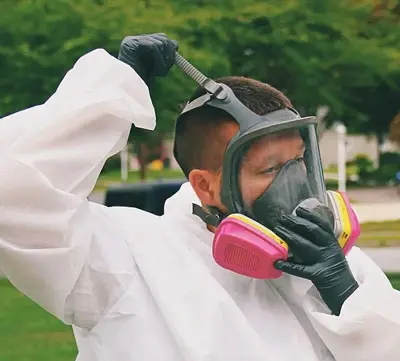
Water damage can happen unexpectedly due to heavy rainfall, flooding, burst pipes, leaking appliances, or plumbing failures. Even a small amount of unwanted water can damage flooring, walls, furniture, and personal belongings. If you do not address the problem quickly, moisture can spread through building materials and create conditions for mould growth. That is why professional water cleanup plays an important role in protecting your property and maintaining a safe indoor environment.
Understanding the water cleanup process helps homeowners and business owners know what to expect when dealing with water damage. Professional restoration teams follow several important steps to remove water, dry affected areas, clean contaminated surfaces, and restore damaged spaces. Let’s explore how the process works and why professional assistance matters.
1. How Does the Initial Water Damage Inspection Work?
The first step in the water cleanup process involves inspecting the affected property. Restoration professionals assess the extent of the damage and identify the source of the water. They examine walls, ceilings, floors, carpets, furniture, and other affected areas to understand how far the moisture has spread.
Professionals also determine the category of water involved. Clean water from a broken supply pipe requires a different approach than contaminated water from sewage backups or outdoor flooding.
During the inspection, technicians typically:
- Identify the source of water damage.
- Check affected rooms and building materials.
- Assess potential electrical and structural hazards.
- Measure moisture levels in different areas.
- Develop an appropriate restoration plan.
A detailed inspection helps professionals choose the right equipment and cleaning methods for effective restoration.
2. Why Is Stopping the Water Source Important?
Before starting the actual cleanup, professionals must stop the source of water. Continuing leaks or active flooding can make existing damage worse and delay the restoration process.
For example, a damaged plumbing connection may require immediate repair, while a leaking roof may need temporary protection until permanent repairs become possible. In some situations, technicians may recommend shutting off the main water supply.
Stopping the water source helps prevent additional moisture from entering the property. It also allows restoration professionals to focus on removing existing water instead of dealing with continuous leakage.
This step forms an essential part of effective water mitigation because it limits further damage and helps protect unaffected areas of the property.
3. How Do Professionals Remove Standing Water?
Once the source of water is under control, restoration technicians begin removing standing water. This step requires specialised equipment designed to extract large amounts of water quickly and efficiently.
Professionals commonly use industrial-grade pumps, wet vacuums, and powerful extraction machines. These tools help remove water from floors, carpets, basements, and other affected spaces.
Quick water removal offers several benefits:
- Reduces moisture exposure in building materials.
- Helps protect flooring and furniture.
- Limits the spread of water into nearby rooms.
- Reduces the risk of mould development.
- Prepares the property for the drying process.
The sooner professionals remove standing water, the better the chances of preventing extensive property damage.
4. How Does Professional Drying and Dehumidification Work?
Removing visible water does not mean the property is completely dry. Moisture can remain trapped inside walls, carpets, wooden flooring, insulation, and other porous materials.
Professional restoration teams use specialised drying equipment to eliminate this hidden moisture. Industrial air movers circulate air throughout affected rooms, while commercial dehumidifiers remove excess moisture from the indoor environment.
Technicians monitor humidity levels and moisture readings to track the drying process. They may also reposition equipment to improve airflow and reach difficult areas.
Proper drying is one of the most important stages of water cleanup because it helps prevent mould growth, unpleasant odours, and further deterioration of building materials.
5. Why Is Cleaning and Sanitising Necessary?
Water damage can introduce dirt, bacteria, and other contaminants into your property. This risk becomes especially serious when floodwater or sewage enters the building.
After removing water and drying the affected areas, restoration professionals clean and sanitise appropriate surfaces. They select cleaning products based on the type of contamination and the materials involved.
This process may include:
- Cleaning floors, walls, and other affected surfaces.
- Disinfecting suitable areas.
- Removing dirt, debris, and contaminants.
- Treating affected materials to control unpleasant odours.
- Identifying items that require professional cleaning or disposal.
Proper cleaning improves indoor hygiene and helps make the affected space safer for occupants. Professionals also follow appropriate safety procedures when handling contaminated materials.
6. How Do Restoration Experts Handle Damaged Materials?
Not every water-damaged material can return to its original condition. Some materials may absorb excessive moisture, lose their strength, or develop contamination that makes restoration unsuitable.
During this stage, professionals evaluate damaged building components and personal belongings. They determine which items can be cleaned and restored and which require removal or replacement.
For instance, severely damaged drywall, insulation, carpets, and certain types of flooring may need replacement. However, technicians may save furniture, structural components, and other belongings when proper restoration remains possible.
Experienced restoration professionals aim to preserve as much of the original property as possible while maintaining safety and quality.
7. How Does Water Mitigation Help Prevent Future Damage?
Water mitigation focuses on reducing the immediate impact of water damage and preventing additional problems. It works alongside the cleanup and restoration process to protect the property’s condition.
Professional water mitigation services may include emergency water extraction, moisture control, temporary protection, and the removal of materials that cannot be safely restored.
Technicians also inspect areas surrounding the original damage to identify hidden moisture. This approach helps prevent problems from spreading into unaffected rooms.
Taking preventive action early can reduce repair expenses, shorten restoration timelines, and minimise disruption to everyday activities.
8. What Happens During the Final Inspection and Restoration?
The final stage involves checking the property to confirm that professionals have completed the necessary cleanup and drying work.
Technicians take moisture readings, inspect previously affected areas, and verify that the drying process has achieved appropriate targets. They also check for remaining signs of contamination or water damage.
Once the property meets the required restoration conditions, professionals can begin or complete repair work. This may involve replacing drywall, repainting walls, installing new flooring, or repairing damaged fixtures.
At this stage, Ideal Response can help property owners understand the importance of a systematic restoration approach. A thorough final inspection ensures that the cleanup process addresses visible damage as well as hidden moisture concerns.
Why Should You Choose Professional Water Cleanup Services?
Water damage requires quick action, suitable equipment, and the right restoration techniques. Attempting to handle extensive water damage without professional assistance can leave hidden moisture behind and increase the risk of future problems.
Professional restoration teams understand how to assess damage, extract water, dry affected materials, and clean contaminated areas. They also use specialised tools to monitor moisture levels and determine when the property is ready for repairs.
Choosing an experienced service provider like Ideal Response helps property owners approach unexpected water damage with greater confidence. Professional support can also reduce unnecessary delays and help protect valuable belongings.
Conclusion
The water cleanup process involves several essential steps, including inspection, stopping the water source, water extraction, drying, sanitising, damaged material removal, mitigation, and final restoration. Each stage plays an important role in protecting your property from further damage.
Acting quickly and choosing professional restoration services can help prevent costly repairs, reduce mould risks, and restore a clean indoor environment. Whether you experience a plumbing leak, basement flooding, or extensive water damage, following a systematic cleanup process helps you recover more effectively and protect your property for the future.

FURTHER READING...
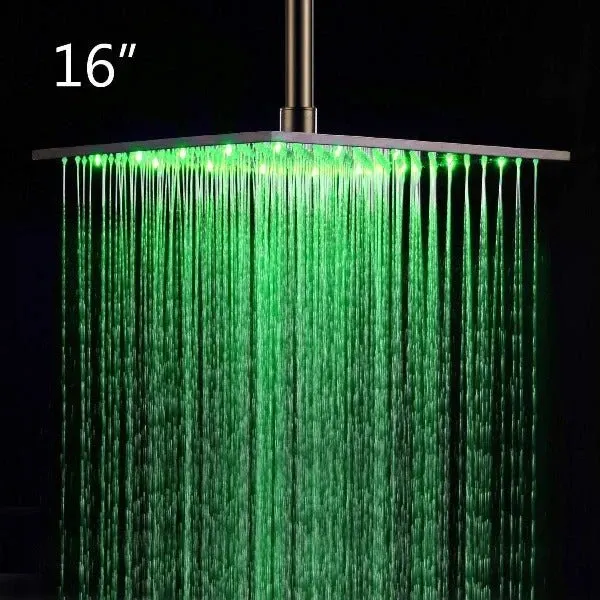
How Can You Choose the Right Shower Valve Parts for Your Bathroom?
November 11, 2026



New York Perfume: Experience the Magic of New York Nights Perfume
November 5, 2026

Latest - post




CONTACT US
Category
- blog (539)
- Bookkeeping (5)
- Business (536)
- driving (10)
- Environment (5)
- Health (69)
- Home (75)
- Industrial Equipment (1)
- IT Security & Payment Solutions (1)
- lawyer (1)
- Marketing (8)
- Medical (13)
- Panto sunglasses (1)
- Relationship (4)
- Trade Show Displays (1)
- travel (19)
- Wedding Photography&Event (1)
