
Why Collectible Design Matters: Exploring the Legacy of 20th-Century Furniture
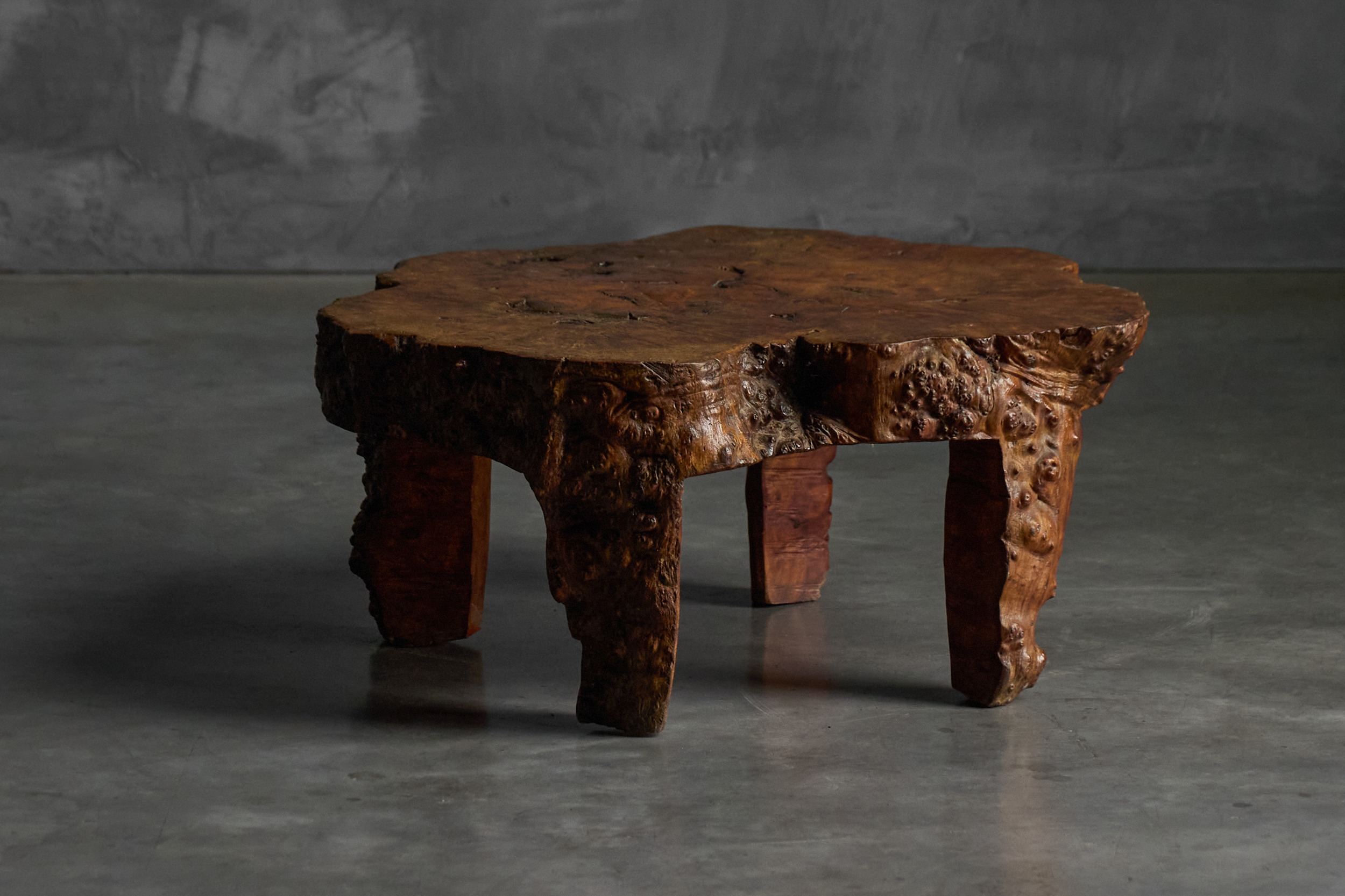
The appeal of vintage furniture often begins with appearance, but it rarely ends there. A distinctive chair, beautifully crafted cabinet, sculptural table, or unusual decorative object can invite questions about its designer, materials, production, and place in design history. These layers of meaning are what make collectible furniture especially compelling for enthusiasts and interior designers.
Across Europe, interest in 20th-century furniture continues to encourage a closer look at craftsmanship and design heritage. In Antwerp, Belgium, Goldwood by Boris is part of this broader environment, offering an opportunity to explore furniture and decorative objects through an appreciation of their visual qualities, materials, and historical context.
What Makes 20th-Century Design Distinctive?
The 20th century brought significant changes to furniture design. Industrial manufacturing expanded, new materials became available, and architects and designers increasingly considered how furniture could respond to modern ways of living.
These developments produced an extraordinary range of forms. Some designers concentrated on simplicity and functionality, while others experimented with organic silhouettes, geometric structures, bold finishes, or innovative materials.
The result is a diverse design landscape in which different periods can be recognized through their proportions, construction methods, colors, surfaces, and material choices. For collectors, this variety creates almost endless opportunities for exploration.
Furniture as a Reflection of Its Era
A piece of furniture can provide insight into the period that produced it. Changes in architecture and domestic life often influenced the dimensions, functionality, and appearance of everyday objects.
Compact furniture became useful in increasingly urban environments, while advances in manufacturing allowed designers to reconsider traditional construction. Developments in plastics, molded materials, metalworking, glass, and engineered wood expanded the possibilities available to furniture makers.
Examining these connections can make collecting more rewarding. Instead of seeing an object simply as an old piece of furniture, collectors can consider how it reflects the technological and cultural circumstances of its time.
Learning to Recognize Craftsmanship
Craftsmanship is often easiest to appreciate through close observation. Look at the way components meet, how surfaces have been finished, how hardware operates, and how materials have been combined.
Wood furniture can reveal craftsmanship through carefully selected veneers, precise joinery, and considered finishing. Upholstered furniture can demonstrate attention to proportion, comfort, fabric selection, and construction. Metal and glass objects may similarly reveal sophisticated production techniques through their forms and finishes.
These details do not necessarily need to be obvious at first glance. Developing an understanding of materials and construction allows collectors to recognize qualities that might otherwise go unnoticed.
Research Makes Collecting More Meaningful
Research is an important part of understanding collectible design. Information about a designer, manufacturer, production period, or original context can add considerable depth to an object.
For people researching names such as boris devis, it can be helpful to approach the subject as part of a wider study of design, craftsmanship, and the networks through which collectible furniture reaches contemporary collectors.
Useful research may involve historical catalogues, manufacturer records, specialist publications, signatures, labels, construction characteristics, and documented provenance. Comparing multiple sources can help establish a more informed understanding of an individual piece.
The Role of Provenance
When available, provenance can provide valuable context. Records of previous ownership, original documentation, purchase history, or other supporting material may help establish where an object came from and how it has been preserved.
However, not every vintage object will have an extensive documented history. Collectors can still learn a great deal by examining physical characteristics and researching comparable examples.
The important principle is to distinguish documented information from assumptions. A careful approach creates greater transparency and helps collectors make decisions based on evidence.
Bringing Vintage Pieces Into Modern Interiors
One of the most appealing aspects of collectible furniture is its versatility. Historical pieces can work naturally within contemporary interiors when their proportions, materials, and visual character complement the surrounding space.
A vintage wooden cabinet can introduce warmth into a minimalist room. A sculptural chair can create a focal point beside contemporary architecture. A decorative object can add a small but distinctive layer of history to an otherwise modern setting.
Mixing periods also allows homeowners and designers to create interiors that feel personal rather than overly coordinated. The goal is not necessarily to recreate a historical room, but to allow well-designed objects from different periods to communicate with one another.
Caring for Vintage Furniture
Good care helps preserve both the functionality and appearance of collectible furniture. Appropriate cleaning methods depend on the materials involved, while exposure to excessive sunlight, moisture, or unsuitable cleaning products can affect finishes and surfaces.
Furniture should also be used in a way that respects its construction and age. Professional conservation or restoration may be appropriate when structural issues arise, particularly for historically significant or particularly delicate pieces.
Preservation does not necessarily mean eliminating every sign of age. Patina and subtle wear can contribute to an object’s character, provided that its structural integrity and usability remain sound.
Exploring Collectible Design in Antwerp
Antwerp offers a stimulating environment for people interested in design, art, architecture, and decorative objects. Its cultural landscape provides a setting in which historical furniture can be considered alongside contemporary creative work.
For collectors exploring the European market, Goldwood by Boris represents one point of entry into the world of vintage furniture and collectible design. Approaching pieces with an emphasis on research, craftsmanship, materials, and historical context can help buyers develop a more informed appreciation of what they encounter.
Building a Collection With Intention
A meaningful collection does not have to be large. A few carefully selected pieces can have more visual and personal impact than a room filled with objects chosen without a clear connection.
Collectors may choose to follow a particular period, material, designer, or design movement. Others may simply acquire objects that demonstrate exceptional craftsmanship or fit naturally into their interiors.
Over time, these choices can create a collection that reflects individual interests while preserving examples of design history for future generations.
The Enduring Value of Design Knowledge
Collectible furniture offers an opportunity to combine aesthetics with research. Each object can encourage a closer examination of materials, craftsmanship, history, and changing approaches to everyday life.
For newcomers, learning does not have to happen all at once. Studying different periods, visiting design exhibitions, examining construction details, and speaking with knowledgeable specialists can gradually build confidence.
The lasting appeal of 20th-century furniture comes from this combination of beauty and substance. These objects can function as practical furnishings, visual focal points, and tangible records of design history. With thoughtful collecting and proper care, they can continue to enrich contemporary interiors while keeping the legacy of earlier design alive.
Visit us:-X (Twitter)

FURTHER READING...

Personalizowane produkty PVC w promocji nowoczesnej marki
September 24, 2026
Modern Plumbing and Heating Solutions for Colorado Homes
September 24, 2026
Sustainable Plumbing Solutions for Modern California Homes
September 24, 2026

A Practical Guide to Understanding Popular Vape Product Names
September 24, 2026

91 Club and 91 Club Login: A Practical Guide for Online Users
September 24, 2026


Complete Bakery Equipment Solutions for Modern Production Facilities
September 24, 2026


Gadżety reklamowe z logo – funkcjonalny sposób na budowanie marki
September 22, 2026

Modern Office Furniture Solutions for Efficient and Stylish Workspaces
September 21, 2026
Latest - post






CONTACT US
Category
- blog (426)
- Bookkeeping (5)
- Business (360)
- driving (5)
- Environment (5)
- Health (18)
- Home (74)
- Industrial Equipment (1)
- IT Security & Payment Solutions (1)
- Marketing (8)
- Medical (13)
- Panto sunglasses (1)
- Relationship (4)
- Trade Show Displays (1)
- travel (16)
- Wedding Photography&Event (1)
