
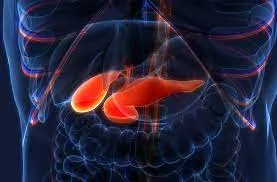
Pancreatic cancer is a serious disease that develops when abnormal cells grow uncontrollably in the pancreas. The pancreas is an important organ located behind the stomach. It helps the body digest food and control blood sugar levels by producing digestive enzymes and hormones, including insulin.
Many people know very little about pancreatic cancer because it receives less public attention than some other types of cancer. However, learning about this disease can help people recognise potential warning signs, understand risk factors, and seek medical advice at the right time.
Pancreatic Cancer Awareness plays an important role in educating communities about this condition. When people understand how pancreatic cancer develops and affects the body, they can make informed decisions about their health. Raising awareness also encourages conversations about cancer prevention, early diagnosis, and medical research.
Why Is Pancreatic Cancer Awareness Important?
Pancreatic cancer often develops without noticeable symptoms during its early stages. As a result, many people receive a diagnosis after the disease has progressed. This makes public education especially important.
Pancreatic Cancer Awareness helps individuals understand that unusual changes in their health should never be ignored. It also encourages people to discuss persistent symptoms with healthcare professionals rather than relying on self-diagnosis.
Greater awareness can help communities:
- Recognise possible symptoms of pancreatic cancer.
- Understand common risk factors.
- Seek medical advice when unusual symptoms continue.
- Support people living with pancreatic cancer.
- Encourage participation in cancer research.
- Promote better access to reliable health information.
Awareness campaigns also help reduce misunderstandings about pancreatic cancer. By sharing accurate information, healthcare organisations can encourage people to take their health seriously.
What Are the Common Symptoms of Pancreatic Cancer?
Understanding the symptoms of pancreatic cancer can help people recognise changes that require medical attention. Although symptoms may vary between individuals, some common warning signs include:
- Abdominal Pain: Persistent pain in the upper abdomen may develop as the tumour affects nearby tissues. The discomfort may sometimes spread towards the back.
- Unexplained Weight Loss: Losing weight without changing eating habits or exercise routines can indicate an underlying health problem.
- Jaundice: Yellowing of the skin and eyes can occur when a tumour blocks the bile duct. People may also notice dark urine, pale stools, or itchy skin.
- Digestive Problems: Some people experience nausea, poor appetite, bloating, or changes in digestion.
- Changes in Blood Sugar: Pancreatic cancer can sometimes affect insulin production and lead to new or worsening diabetes.
- Persistent Fatigue: Unusual tiredness and weakness may develop as the disease affects the body’s normal functions.
These symptoms do not always indicate pancreatic cancer. Many other conditions can cause similar problems. However, people should consult a healthcare professional if symptoms persist or become concerning.
What Are the Major Risk Factors for Pancreatic Cancer?
Learning about risk factors helps people understand which circumstances may increase their chances of developing pancreatic cancer. Although having a risk factor does not mean someone will develop the disease, understanding these factors supports better health awareness.
Some recognised risk factors include:
- Smoking: Tobacco use significantly increases the risk of pancreatic cancer.
- Age: The risk generally increases as people grow older.
- Family History: Having close relatives with pancreatic cancer may increase individual risk.
- Chronic Pancreatitis: Long-term inflammation of the pancreas can increase the risk.
- Obesity: Excess body weight is associated with a higher risk.
- Diabetes: Long-standing diabetes is associated with an increased risk, while new-onset diabetes can sometimes be an early sign of pancreatic cancer.
- Inherited Genetic Changes: Certain inherited genetic conditions can increase the likelihood of developing the disease.
People with a strong family history or known inherited risk should discuss their concerns with a qualified healthcare professional.
How Does Early Diagnosis Improve Pancreatic Cancer Treatment?
Early diagnosis can make an important difference in pancreatic cancer treatment. When doctors identify the disease before it spreads, patients may have more treatment options available.
Healthcare professionals may recommend different diagnostic tests depending on a person’s symptoms and medical history. These can include imaging tests, blood tests, and tissue biopsies.
Treatment depends on several factors, including the cancer’s stage, location, and the patient’s overall health. Common treatment options include:
- Surgery: Doctors may remove the tumour when the cancer remains localised and surgery is suitable.
- Chemotherapy: This treatment uses medicines to destroy cancer cells or slow their growth.
- Radiation Therapy: High-energy radiation targets cancer cells in specific areas.
- Targeted Therapy: Certain medicines target specific changes within cancer cells.
- Immunotherapy: Selected patients may benefit from treatments that help the immune system recognise and attack cancer cells.
Doctors may combine different treatments to achieve the best possible results. Patients should discuss available options, potential benefits, and side effects with their medical team.
What Is the Connection Between Pancreatic Cancer Awareness and Gastric Cancer Awareness?
Pancreatic cancer and gastric cancer affect different organs, but both require greater public understanding and timely medical attention.
Gastric Cancer Awareness focuses on educating people about stomach cancer, its symptoms, risk factors, diagnosis, and treatment. Common symptoms of gastric cancer may include persistent indigestion, stomach discomfort, nausea, reduced appetite, and unexplained weight loss.
Pancreatic cancer and gastric cancer can sometimes cause similar digestive symptoms. This makes it important for people to understand that persistent stomach-related problems deserve proper medical evaluation.
Both awareness initiatives encourage individuals to recognise unusual changes, seek professional guidance, and learn about available treatment options.
Promoting Pancreatic Cancer Awareness alongside Gastric Cancer Awareness can help communities understand different abdominal cancers and the importance of regular healthcare discussions.
How Can People Support Pancreatic Cancer Awareness Campaigns?
Everyone can contribute to raising awareness about pancreatic cancer. People do not need medical qualifications to share reliable information and support awareness activities.
Here are some practical ways to make a difference:
Share Educational Information: Post reliable information about pancreatic cancer symptoms, risk factors, and treatment options on social media.
Participate in Awareness Events: Join community programmes, educational sessions, and cancer awareness campaigns.
Encourage Health Discussions: Talk with friends and family about the importance of recognising unusual symptoms and seeking medical advice.
Support Cancer Research: Contribute to reputable organisations that fund pancreatic cancer research and patient support programmes.
Help Patients and Families: Offer emotional support and practical assistance to people affected by pancreatic cancer.
Initiatives such as Abdominal Cancer Day can also help bring attention to different abdominal cancers and encourage more people to learn about their health.
Why Should Everyone Participate in Abdominal Cancer Awareness?
Cancer awareness should not remain limited to patients and healthcare professionals. Families, educators, community organisations, and individuals all have a role in spreading reliable health information.
Abdominal Cancer Day provides an opportunity to discuss pancreatic cancer, gastric cancer, and other abdominal conditions. Such initiatives can encourage people to ask questions, understand symptoms, and learn about available healthcare services.
Supporting awareness campaigns also helps create a more informed and supportive community. When people share accurate information, they can reduce fear, challenge misconceptions, and encourage patients to seek appropriate medical care.
How Can Better Awareness Make a Difference in the Future?
Learning more about pancreatic cancer can help people make informed health decisions and recognise when they need medical attention. Although this disease remains challenging to diagnose and treat, education, research, and medical advancements continue to improve understanding and care.
Pancreatic Cancer Awareness and Gastric Cancer Awareness both remind people to take persistent symptoms seriously and consult qualified healthcare professionals.
By supporting awareness initiatives, sharing trustworthy information, and encouraging medical research, communities can contribute to a better future for people affected by abdominal cancers. Every conversation can help someone understand the importance of early medical evaluation, informed decisions, and compassionate support.

FURTHER READING...
How Can an Albany Dental Clinic Improve Your Smile?
November 21, 2026

What Services Should You Expect from a Trusted NYC Dental Office?
November 21, 2026

Who Is a Good Candidate for Facial Fat Grafting?
November 21, 2026

Why Is Pilates a Great Choice for Starting Your Fitness Journey?
November 19, 2026

Is Pilates Safe for Teenagers of All Fitness Levels?
November 18, 2026

How Can Bariatric Surgery Improve Your Overall Health?
November 17, 2026

What Features Should You Look for When Buying an Ayurvedic Steam Box?
November 17, 2026

How Do You Choose the Best Dental Clinic in Albany?
November 16, 2026


How Can Houston TX Dentists Help You Maintain a Healthy Smile?
November 13, 2026
Latest - post





CONTACT US
Category
- blog (557)
- Bookkeeping (5)
- Business (626)
- driving (10)
- Environment (5)
- Health (83)
- Home (75)
- Industrial Equipment (1)
- IT Security & Payment Solutions (1)
- lawyer (1)
- Marketing (8)
- Medical (13)
- Panto sunglasses (1)
- Relationship (4)
- Trade Show Displays (1)
- travel (19)
- Wedding Photography&Event (1)
