
What Should You Do First After Water Damage in Vancouver?
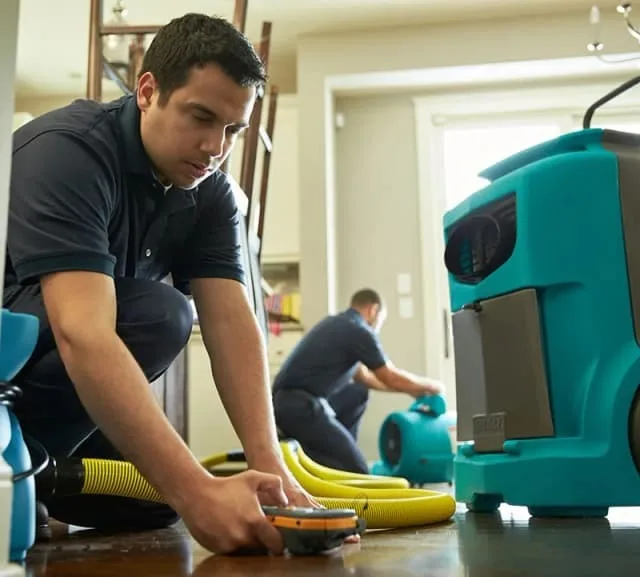
Water damage can happen suddenly because of heavy rain, plumbing failures, appliance leaks, burst pipes, or drainage problems. When water enters your home or business, acting quickly can reduce structural damage, protect your belongings, and lower the risk of mould growth. Knowing what to do immediately after water damage helps you stay calm and make better decisions.
If you are dealing with water damage Vancouver, your first priority should be safety. After that, focus on stopping the source of water, protecting valuable belongings, documenting the damage, and contacting a professional restoration team.
Why Should You Prioritize Safety After Water Damage?
Safety should always come before cleanup. Standing water can hide electrical hazards, sharp objects, contaminated materials, and unstable flooring. If water has reached electrical outlets, appliances, or wiring, avoid entering the affected area until it is safe.
Turn off the main electrical supply only if you can do so safely without entering standing water. If you cannot reach the electrical panel safely, contact a qualified professional. You should also keep children and pets away from flooded areas.
Water can weaken floors, ceilings, walls, and other structural components. If you notice sagging ceilings, cracks, unusual sounds, or major structural movement, leave the property and seek professional assistance.
How Can You Stop the Source of Water Quickly?
Once everyone is safe, identify where the water is coming from. A small plumbing leak may stop when you close the appropriate shut-off valve. A burst pipe may require you to shut off the property’s main water supply.
If the damage comes from a malfunctioning washing machine, dishwasher, water heater, or other appliance, stop using it and disconnect it only when doing so is safe.
You should never delay action while waiting for the damage to become worse. Even a small amount of standing water can move into flooring, drywall, cabinets, and insulation. Fast action can prevent a manageable problem from becoming a major restoration project.
What Should You Do About Standing Water?
Removing standing water as soon as possible can limit additional damage. However, you should only remove water yourself when the area is safe and the water is not contaminated.
For a small amount of clean water, you may use towels, buckets, or a wet/dry vacuum designed for water removal. Do not use ordinary household vacuum cleaners because they are not designed to handle standing water and may create an electrical hazard.
For extensive flooding, professional equipment provides a safer and more effective solution. Restoration professionals can use extraction machines, pumps, air movers, and dehumidifiers to remove moisture from affected areas.
How Should You Protect Your Belongings?
After addressing the water source, move undamaged or lightly affected belongings to a dry location if you can do so safely. Furniture, electronics, documents, clothing, and other valuables may suffer additional damage if they remain in standing water.
Avoid moving heavy furniture across wet flooring because you could injure yourself or spread water into unaffected areas. Place foil or protective materials beneath furniture legs when appropriate to reduce contact with wet surfaces.
Some materials require specialized handling. Professional restoration technicians can determine which belongings can be dried, cleaned, restored, or safely discarded.
Why Is It Important to Document Water Damage?
Before removing too much damaged material, take photographs and videos of the affected areas. Capture damaged floors, ceilings, walls, furniture, appliances, and personal belongings. Take wide photos showing the overall situation and close-up images showing specific damage.
Documentation can help when communicating with your insurance provider. Keep receipts for emergency repairs, equipment rentals, replacement materials, and professional restoration services.
Avoid making permanent repairs before discussing the situation with your insurance company when possible. Your insurer may have specific procedures for documenting and reporting water damage.
When Should You Contact a Professional Restoration Company?
You should contact a professional restoration company as soon as you recognize that the damage extends beyond a minor, manageable leak. Professional technicians can assess the affected areas and identify moisture that may not be visible.
A professional assessment can reveal water trapped behind walls, beneath flooring, under cabinets, or inside insulation. Technicians can also measure moisture levels and create a drying plan based on the severity of the damage.
If you search for water damage Vancouver, choose a restoration provider that can respond promptly and explain the restoration process clearly. A reliable company should inspect the property, remove excess water, dry affected materials, clean damaged areas, and monitor the drying process.
Ideal Response can help property owners understand the steps required after unexpected water damage and take action before the situation becomes more complicated.
How Can You Prevent Mould After Water Damage?
Moisture creates favourable conditions for mould growth. The longer wet materials remain damp, the greater the possibility of mould developing.
Begin drying affected areas as soon as possible. Increase air circulation when safe, use dehumidification equipment where appropriate, and remove materials that cannot be effectively dried.
However, do not assume that a surface is dry simply because it feels dry. Moisture can remain inside walls, subfloors, carpets, and insulation. Professional moisture measurements can help determine whether the drying process is complete.
If you already notice musty odours, visible mould, or persistent dampness, seek professional assistance rather than covering the problem with paint or other materials.
What Should You Avoid After Water Damage?
Knowing what not to do can be just as important as knowing what to do. Avoid entering flooded areas when electrical hazards may exist. Do not use electrical appliances in standing water. Do not ignore hidden moisture simply because the visible water has disappeared.
You should also avoid aggressive cleaning of materials that may contain contaminated water. Floodwater can contain bacteria, sewage, chemicals, or other harmful substances. Contaminated water requires appropriate protective equipment and professional cleaning procedures.
Do not wait several days before seeking help if the damage is extensive. Delays can increase material deterioration, odours, mould risk, and restoration costs.
Can Lessons From Water Damage Edmonton Apply in Vancouver?
Although Vancouver and Edmonton have different weather patterns and property conditions, many basic water damage response principles remain the same. Whether you are searching for water damage Edmonton or dealing with a flooding problem in Vancouver, the priorities are similar: stay safe, stop the water source, remove excess water, protect belongings, document the damage, and begin professional drying when necessary.
Property owners should also understand that the cause of water damage can influence the cleanup process. A clean supply-line leak may require different treatment from sewage backup or floodwater contamination.
How Can You Make Water Damage Restoration Easier?
The best approach is to act quickly without putting yourself at risk. Start by protecting people and pets, then stop the water source if possible. Document the damage and contact your insurance provider when appropriate. Finally, arrange a professional inspection when the damage is significant.
A professional restoration team can help identify hidden moisture and develop a structured plan for extraction, drying, cleaning, and repairs. This approach can help protect your property and reduce the likelihood of recurring problems.
Ideal Response provides professional guidance for property owners facing unexpected water-related emergencies. Taking prompt action can make a significant difference in protecting your home, belongings, and long-term property condition.
What Is the First Step After Water Damage in Vancouver?
The first step after water damage is always to protect yourself and others from immediate hazards. Once the area is safe, stop the water source if possible, remove standing water when it is safe, protect your belongings, document the damage, and contact a qualified restoration professional.
Quick action matters. Whether you are dealing with a small leak or extensive flooding, responding promptly can help limit structural damage, reduce moisture-related problems, and make the restoration process more manageable.

FURTHER READING...



How an AWS Solution Architect Quiz Can Support Your Cloud Career
October 7, 2026

When Do You Need Dryer Repair Services in Columbia?
October 7, 2026
Why Choose a Dormer Loft Conversion for Your London Home?
October 7, 2026

เตียงแบบไหนดีที่สุดสำหรับการนอนหลับที่สบาย?
October 6, 2026
Latest - post


CONTACT US
Category
- blog (470)
- Bookkeeping (5)
- Business (389)
- driving (5)
- Environment (5)
- Health (28)
- Home (74)
- Industrial Equipment (1)
- IT Security & Payment Solutions (1)
- lawyer (1)
- Marketing (8)
- Medical (13)
- Panto sunglasses (1)
- Relationship (4)
- Trade Show Displays (1)
- travel (17)
- Wedding Photography&Event (1)
