
How Does Later Living Construction Support Modern Senior Living?
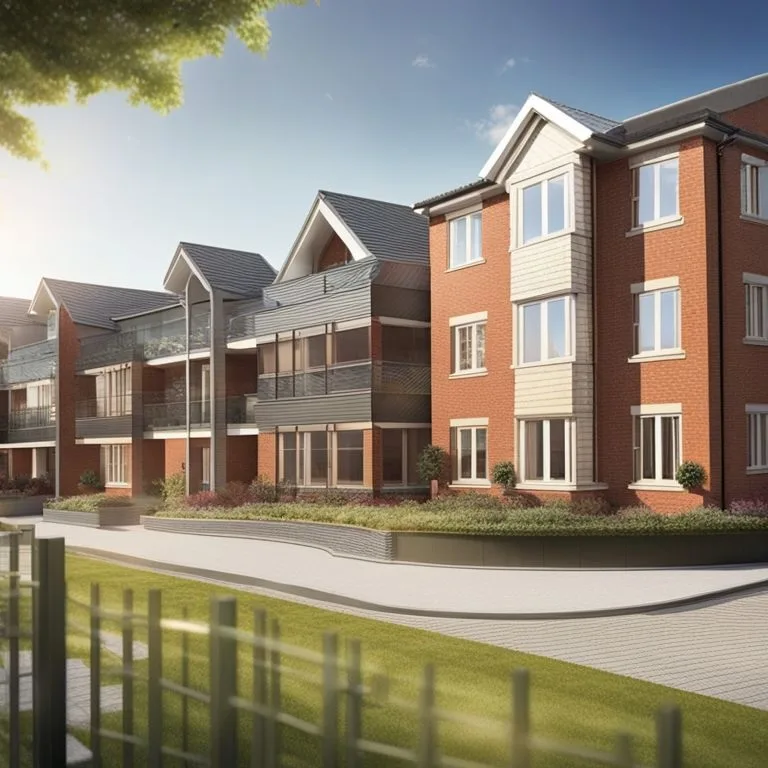
Later living construction focuses on creating homes and communities that meet the changing needs of older adults. Modern senior living requires more than traditional accommodation. Residents want comfort, independence, safety, social connection, and access to appropriate support.
Thoughtful later living construction brings these priorities together through carefully planned buildings, accessible layouts, communal spaces, and practical facilities. Developers can create environments where older people feel secure while maintaining control over their daily routines.
The sector has also evolved as expectations around senior living have changed. Today, residents often look for attractive apartments, welcoming shared areas, outdoor spaces, wellness facilities, and opportunities to connect with others. Good construction planning helps deliver these features without compromising accessibility or long-term functionality.
How Can Modern Design Improve Senior Residents’ Independence?
Independence remains one of the most important considerations in senior living. A well-designed development allows residents to complete everyday activities comfortably while reducing unnecessary barriers.
Accessible entrances, wider doorways, level flooring, suitable bathroom layouts, clear circulation routes, and well-positioned fixtures can make a significant difference. Designers can also incorporate lifts, handrails, appropriate lighting, and easy-to-navigate communal areas.
These features help residents move around their homes and the wider community with greater confidence. They also allow properties to accommodate changing mobility needs over time.
For Care Home Developers, this approach provides an opportunity to create spaces that remain practical for residents at different stages of later life.
How Does Later Living Construction Improve Safety?
Safety plays a central role in modern senior accommodation. Construction teams need to consider potential risks from the earliest planning stages rather than adding solutions after a building is complete.
Slip-resistant flooring, suitable lighting, secure entrances, accessible bathrooms, clear signage, and carefully designed stairways can improve everyday safety. Emergency systems and appropriate fire protection also form important parts of responsible development.
Modern technology can further support safety. Smart access systems, emergency call points, lighting controls, and other connected features can provide additional assistance without making residents feel overly monitored.
A balanced approach creates an environment that protects residents while preserving a sense of privacy and independence.
Why Are Communal Spaces Important in Senior Living Developments?
Senior living should support social wellbeing as well as physical comfort. Modern developments increasingly include communal areas that encourage residents to interact naturally.
Lounges, dining spaces, gardens, activity rooms, libraries, fitness areas, and shared terraces can create opportunities for conversation and community activities. These spaces can also support organised events such as exercise sessions, workshops, celebrations, and social gatherings.
The design of communal areas matters. Comfortable seating, natural light, accessible routes, and flexible layouts can encourage residents to use these facilities regularly.
By integrating shared spaces into the overall development, later living construction can help create communities rather than simply collections of individual homes.
How Can Sustainable Construction Benefit Older Residents?
Sustainability has become an important consideration in modern construction, and senior living is no exception. Energy-efficient buildings can provide comfortable indoor environments while helping control ongoing operating costs.
Developers can consider insulation, efficient heating and cooling systems, natural ventilation, energy-efficient lighting, water-saving fixtures, and renewable energy technologies where appropriate.
Sustainable landscaping can also improve outdoor areas. Gardens, shaded seating, walking paths, and planted spaces can make developments more attractive while supporting wellbeing.
A sustainable approach can benefit both residents and operators by creating efficient, comfortable buildings designed for long-term use.
What Role Does Technology Play in Modern Later Living Construction?
Technology increasingly influences how senior living communities operate. Developers can incorporate digital infrastructure during construction to support future services and upgrades.
Smart heating controls, automated lighting, secure entry systems, digital communication tools, and emergency alert technology can make everyday living more convenient. Strong connectivity can also help residents communicate with family members, access online services, and participate in digital activities.
The key is to integrate technology thoughtfully. Systems should remain simple and accessible, particularly for residents who may not be confident with complex devices.
Future-ready infrastructure can also make properties easier to adapt as technology continues to evolve.
How Can Care Home Developers Create More Comfortable Living Environments?
Comfort should influence every stage of senior living development. Residents need homes that feel welcoming rather than institutional.
Natural light, good ventilation, acoustic control, attractive materials, comfortable temperatures, and thoughtful interior layouts can improve the living experience. Private outdoor areas or balconies can also provide residents with opportunities to enjoy fresh air without leaving the development.
Developers should also consider privacy. Well-planned apartment layouts can give residents personal space while keeping communal facilities conveniently accessible.
This balance between privacy and community helps create a more appealing senior living environment.
Why Is Flexibility Important in Later Living Construction?
Older residents have different needs, so a successful development should avoid a one-size-fits-all approach. Flexible spaces can allow residents and operators to adapt rooms and facilities as requirements change.
Apartments with adaptable layouts can accommodate changing mobility needs. Communal rooms can serve multiple purposes, while accessible infrastructure can support residents with different abilities.
Flexibility can also extend the useful life of a development. Instead of designing a building around one fixed model of care or accommodation, developers can create spaces that respond to future demand.
This long-term thinking makes later living construction an important part of sustainable property development.
How Can Thoughtful Construction Support Community Wellbeing?
A successful senior living development should encourage residents to remain active and connected. Walkable layouts, attractive gardens, social spaces, activity rooms, and convenient amenities can make daily life more engaging.
Good design can encourage residents to leave their apartments and interact with their surroundings. Even small choices, such as placing seating near communal routes or creating attractive garden pathways, can promote casual social interaction.
Care Home Builders can therefore play an important role in shaping communities that support both independence and connection.
What Should Developers Consider When Planning Modern Senior Living?
Developers should consider accessibility, safety, sustainability, technology, comfort, community, and long-term adaptability from the beginning. They should also understand the expectations of residents, families, operators, and care professionals.
Careful planning can prevent costly changes later and create a development that performs effectively for many years. Collaboration between architects, construction professionals, care specialists, and operators can help ensure that the finished environment meets practical and lifestyle requirements.
Care Home Builders can contribute to this process by combining construction expertise with an understanding of how modern senior living environments need to function.
How Will Later Living Construction Shape the Future of Senior Living?
Modern senior living is moving toward communities that offer more choice, independence, comfort, and connection. Construction will remain central to this transformation because the physical environment directly influences how residents experience everyday life.
By combining accessible design, sustainable materials, smart technology, attractive communal facilities, and flexible spaces, developers can create environments that respond to the realities of ageing.
Ultimately, effective later living construction does more than provide accommodation. It creates supportive communities where older adults can enjoy greater independence, maintain social connections, and experience a comfortable quality of life.

FURTHER READING...


How an AWS Solution Architect Quiz Can Support Your Cloud Career
October 7, 2026

When Do You Need Dryer Repair Services in Columbia?
October 7, 2026
Why Choose a Dormer Loft Conversion for Your London Home?
October 7, 2026

เตียงแบบไหนดีที่สุดสำหรับการนอนหลับที่สบาย?
October 6, 2026

What Designs Work Best for Printable Toothpick Flags?
October 6, 2026
What Services Does a Drive-Thru Construction Company UK Provide?
October 6, 2026
Latest - post




CONTACT US
Category
- blog (469)
- Bookkeeping (5)
- Business (387)
- driving (5)
- Environment (5)
- Health (27)
- Home (74)
- Industrial Equipment (1)
- IT Security & Payment Solutions (1)
- lawyer (1)
- Marketing (8)
- Medical (13)
- Panto sunglasses (1)
- Relationship (4)
- Trade Show Displays (1)
- travel (17)
- Wedding Photography&Event (1)
