
What Skills Do You Need to Become a Certified Hyperbaric Technician?

A certified hyperbaric technician plays an important role in supporting patients who receive hyperbaric oxygen therapy. These professionals help operate hyperbaric chambers, monitor treatment sessions, maintain equipment, and follow safety procedures. They work alongside healthcare professionals to ensure that patients receive appropriate care in a controlled environment.
Hyperbaric oxygen therapy involves breathing oxygen in a specially designed chamber under increased atmospheric pressure. Healthcare providers use this treatment for certain approved medical conditions, depending on clinical guidelines and patient needs.
To succeed in this field, you need technical knowledge, communication skills, attention to detail, and a strong commitment to patient safety. Completing hyperbaric technician certification training can help you develop these abilities and prepare for the responsibilities of working in a hyperbaric facility.
Why Is Medical Knowledge Important for Hyperbaric Technicians?
A hyperbaric technician needs a basic understanding of human anatomy, physiology, and the effects of increased pressure on the body. This knowledge helps technicians understand treatment procedures and recognize potential complications during a session.
You should understand how oxygen supports normal body functions and how pressure changes affect the ears, sinuses, lungs, and other body systems. You should also learn about common contraindications, patient screening requirements, and the importance of following medical instructions.
Medical knowledge helps technicians recognize unusual symptoms and respond according to established protocols. However, technicians must work within their professional scope and refer medical decisions to qualified healthcare providers.
During training, you should focus on learning:
- Basic human anatomy and physiology.
- The principles of hyperbaric oxygen therapy.
- Common indications and contraindications for treatment.
- Patient screening and preparation procedures.
- Potential complications and emergency warning signs.
A strong medical foundation helps you communicate effectively with healthcare teams and support safe treatment delivery.
Which Technical Skills Do You Need to Operate an Oxygen Chamber Hyperbaric System?
Technical proficiency is one of the most important skills for a hyperbaric technician. You must understand how an oxygen chamber hyperbaric system operates and how to follow the manufacturer’s instructions during treatment.
Different chambers may use different operating systems, pressure controls, monitoring equipment, and safety mechanisms. Your training should prepare you to work with the specific equipment installed at your facility.
You need to learn how to inspect the chamber, verify operating conditions, monitor pressure levels, and recognize equipment irregularities. You should also understand the importance of routine maintenance checks and accurate treatment documentation.
Important technical skills include:
- Operating chamber controls according to approved procedures.
- Monitoring pressure, oxygen delivery, and treatment parameters.
- Checking equipment before and after treatment.
- Identifying alarms and reporting technical problems.
- Maintaining accurate equipment and treatment records.
You should never operate unfamiliar equipment without proper training and authorization. Hands-on instruction and supervised practice help you build confidence while maintaining safe operating standards.
How Can You Develop Strong Patient Communication Skills?
Hyperbaric technicians work directly with patients who may feel anxious about entering a chamber or undergoing an unfamiliar procedure. Clear communication helps patients understand what to expect and feel more comfortable throughout the treatment process.
You should explain the procedure in simple language, describe relevant safety instructions, and answer questions within your professional role. Before treatment, you may need to explain pressure-related sensations, communication methods, and the importance of reporting discomfort.
Active listening is equally important. Patients may report ear pain, anxiety, dizziness, breathing difficulties, or other symptoms that require prompt attention. You must listen carefully and communicate concerns to the appropriate clinical team member.
Good patient communication also involves empathy, patience, and respect for privacy. These qualities help build trust and improve the overall treatment experience.
Why Are Safety Awareness and Attention to Detail Essential?
Hyperbaric environments require strict safety procedures because increased pressure and oxygen-rich conditions create specific risks. Technicians must follow established protocols and avoid shortcuts that could compromise patient or staff safety.
You should understand fire prevention requirements, approved chamber materials, equipment compatibility, emergency procedures, and facility-specific safety rules. You must also follow restrictions on clothing, personal items, and electronic devices inside the treatment area.
Attention to detail helps you identify problems before they become serious. For example, checking patient screening information, verifying equipment readiness, and confirming that safety instructions have been followed can reduce avoidable risks.
During your training, develop the habit of using checklists, documenting observations, and reporting concerns immediately. Never ignore an alarm, unusual patient symptom, or equipment warning.
Hyperbaric Business Solutions recognizes the importance of professional preparation and safety-focused knowledge for individuals exploring opportunities in the hyperbaric industry.
What Emergency Response Skills Should a Hyperbaric Technician Learn?
A hyperbaric technician must know how to respond calmly when a patient develops symptoms or equipment malfunctions during treatment. Emergencies require quick communication, clear decision-making within your role, and strict adherence to established procedures.
Your training should cover emergency protocols, alarm responses, communication systems, and the correct steps for escalating concerns. Depending on your role and facility requirements, CPR and basic life support training may also be necessary.
You should learn how to recognize warning signs without attempting to diagnose conditions beyond your qualifications. If a patient experiences unexpected pain, breathing problems, confusion, or another concerning symptom, follow the facility’s emergency protocol and notify the responsible clinician.
Regular drills can help you practice these procedures and understand your responsibilities. Repeated practice also helps reduce hesitation during stressful situations.
How Important Are Teamwork and Documentation Skills?
Hyperbaric technicians rarely work in isolation. They coordinate with physicians, nurses, other healthcare professionals, and equipment maintenance personnel to support treatment delivery.
Strong teamwork requires clear communication, respect for professional boundaries, and the ability to follow instructions accurately. You must share relevant observations with the appropriate team members and report changes in patient condition or equipment performance.
Documentation is another essential responsibility. Treatment records may include session details, equipment checks, patient observations, and incidents that require follow-up. Accurate records help the clinical team review treatment history and maintain accountability.
You should develop organized work habits and learn to complete records promptly according to facility policies. Protecting patient confidentiality is equally important.
How Can Hyperbaric Technician Certification Help Your Career?
Completing hyperbaric technician certification training can help you build the knowledge and practical skills required for entry into this specialized field. A quality program should combine theoretical instruction with supervised practical learning, equipment familiarization, safety education, and emergency preparedness.
Before enrolling, check the program’s curriculum, instructor qualifications, practical training opportunities, assessment methods, and recognition within your intended workplace or jurisdiction. Certification requirements and employer expectations can vary, so confirm the credentials needed for your preferred role.
You should also consider whether the program covers patient care, chamber operations, infection prevention, documentation, and relevant safety standards. Healthcare experience, CPR training, or other qualifications may strengthen your application, depending on the employer’s requirements.
Hyperbaric Business Solutions encourages aspiring professionals to prioritize relevant education, hands-on learning, and responsible operating practices when exploring hyperbaric industry training opportunities.
What Steps Can Help You Become a Successful Hyperbaric Technician?
You can prepare for this career by following a structured learning path:
- Build your foundation: Study basic anatomy, physiology, and hyperbaric oxygen therapy principles.
- Choose suitable training: Research programs that offer relevant instruction and practical experience.
- Develop technical skills: Learn chamber operation, equipment checks, and monitoring procedures.
- Strengthen safety knowledge: Study emergency response, fire prevention, and patient screening protocols.
- Gain practical experience: Complete supervised training and practice approved procedures.
- Maintain your qualifications: Follow employer requirements for continuing education and competency assessments.
Remember that certification alone does not replace clinical judgment, supervised experience, or workplace authorization.
Are You Ready to Build a Career as a Certified Hyperbaric Technician?
Becoming a certified hyperbaric technician requires a combination of medical knowledge, technical proficiency, communication, safety awareness, teamwork, and emergency preparedness. Each skill contributes to a safer and more organized treatment environment.
By choosing appropriate training, practicing under qualified supervision, and following established procedures, you can develop the confidence needed to work in this specialized field. Focus on continuous learning and professional responsibility as you explore opportunities in hyperbaric care.
With the right preparation and a commitment to patient safety, you can build a strong foundation for a career supporting hyperbaric oxygen therapy services.

FURTHER READING...
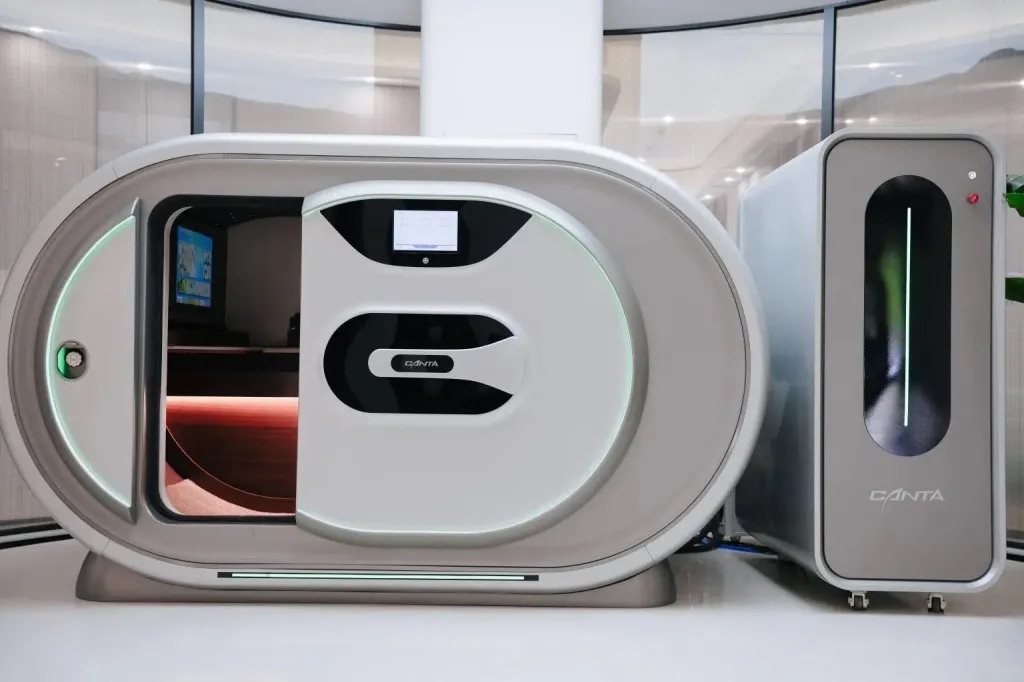
What Features Should You Look for in an HBOT Machine?
October 26, 2026
How Do You Find the Best Orthodontist in Aventura for Your Needs?
October 26, 2026

What Should You Know Before Getting a Dental Bridge in Houston, TX?
October 26, 2026


Is Mat Pilates Houston a Good Choice for Beginners?
October 24, 2026

How Can You Find the Best Albany Dentist for Your Dental Needs?
October 24, 2026

How Do You Choose the Best Nearest Orthodontist in Your Area?
October 24, 2026

Is Breast Fat Transfer in Houston Right for You?
October 24, 2026

When Should You Consult an Esophageal and Gastric Cancer Surgeon?
October 20, 2026
Latest - post



CONTACT US
Category
- blog (512)
- Bookkeeping (5)
- Business (474)
- driving (10)
- Environment (5)
- Health (56)
- Home (75)
- Industrial Equipment (1)
- IT Security & Payment Solutions (1)
- lawyer (1)
- Marketing (8)
- Medical (13)
- Panto sunglasses (1)
- Relationship (4)
- Trade Show Displays (1)
- travel (19)
- Wedding Photography&Event (1)
