
When Should You Consult an Esophageal and Gastric Cancer Surgeon?
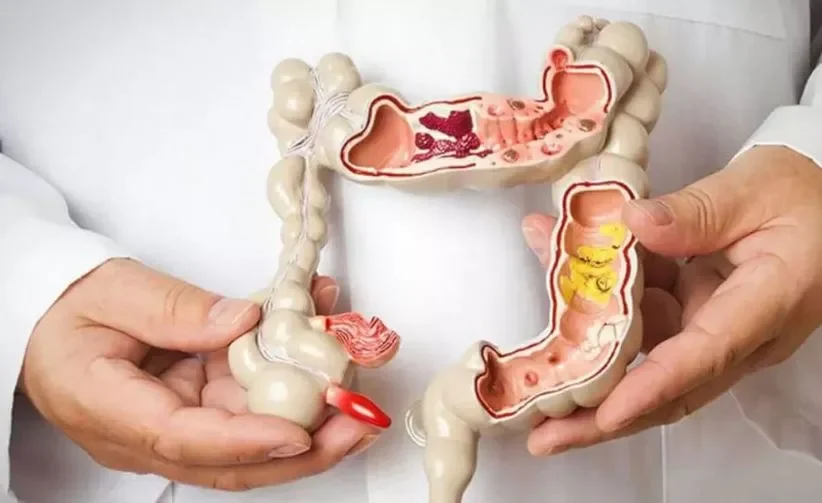
Esophageal and gastric cancers affect the digestive system and can significantly impact a person’s health and quality of life. Esophageal cancer develops in the food pipe, while gastric cancer begins in the stomach. Both conditions may cause symptoms that resemble common digestive problems, making early medical evaluation essential.
Consulting an Esophageal and Gastric Cancer Surgeon can help patients understand their symptoms, receive an accurate diagnosis, and explore suitable treatment options. Early consultation may also help specialists identify the disease before it progresses, although the outcome depends on the cancer type, stage, and overall health of the patient.
People who experience persistent digestive discomfort, difficulty swallowing, unexplained weight loss, or other unusual symptoms should seek medical advice instead of ignoring these warning signs.
What Symptoms Indicate That You Should Consult a Cancer Surgeon?
Certain symptoms require prompt medical attention, especially when they persist, worsen, or occur together. Although these signs do not always indicate cancer, a specialist can investigate their underlying causes.
Common warning signs of esophageal and gastric cancer include:
- Difficulty swallowing: Food may feel stuck in the throat or chest, or swallowing may become increasingly uncomfortable.
- Persistent indigestion: Frequent indigestion or heartburn that does not improve with appropriate treatment requires medical evaluation.
- Unexplained weight loss: Losing weight without changing your diet or exercise routine may indicate an underlying health problem.
- Ongoing abdominal discomfort: Persistent pain, pressure, or discomfort in the upper abdomen should not be overlooked.
- Loss of appetite: Feeling full quickly or losing interest in food may require further investigation.
- Nausea and vomiting: Repeated episodes, particularly when accompanied by other symptoms, need medical assessment.
- Blood in vomit or black stools: These symptoms may indicate gastrointestinal bleeding and require urgent medical attention.
Consult a healthcare professional if you experience persistent or worsening symptoms. Seek emergency care for severe bleeding, fainting, or difficulty breathing.
When Does Difficulty Swallowing Require Specialist Evaluation?
Difficulty swallowing, medically known as dysphagia, is an important symptom associated with several esophageal conditions, including esophageal cancer. Patients may initially struggle with solid foods and later experience difficulty swallowing liquids.
However, dysphagia can also result from acid reflux, inflammation, narrowing of the esophagus, or other non-cancerous conditions. A specialist can determine the likely cause through a detailed medical assessment.
An Esophageal and Gastric Cancer Surgeon may recommend an upper gastrointestinal endoscopy, imaging tests, or a biopsy when necessary. These investigations help doctors examine the digestive tract and identify abnormal tissue.
Do not wait for swallowing difficulties to become severe before seeking help. Early assessment can clarify the diagnosis and help you access appropriate treatment without unnecessary delays.
Should You Consult a Surgeon After Receiving a Cancer Diagnosis?
Yes. If a doctor confirms esophageal or gastric cancer, consulting a surgeon with relevant expertise can help you understand the available treatment approaches.
The surgeon evaluates the cancer’s location, size, stage, and possible spread to nearby tissues or distant organs. They also consider your nutritional status, medical history, and fitness for surgery.
Depending on these findings, the treatment plan may include surgery, chemotherapy, radiotherapy, targeted therapy, immunotherapy, or a combination of approaches. Not every patient requires surgery, and the best treatment depends on individual circumstances.
For some patients, surgery may involve removing part or all of the stomach or removing the affected section of the esophagus. These procedures require careful planning and specialist expertise.
A consultation also gives patients an opportunity to discuss treatment benefits, possible complications, recovery expectations, and alternative options before making an informed decision.
How Can an Esophageal and Gastric Cancer Surgeon Help With Treatment Planning?
A specialist surgeon plays an important role in evaluating cancer and coordinating appropriate care. Their responsibilities extend beyond performing an operation.
During the consultation, the surgeon may review previous reports, examine symptoms, recommend additional investigations, and discuss the most appropriate treatment pathway.
Key aspects of treatment planning include:
- Diagnosis and staging: Understanding the extent of the cancer through appropriate investigations.
- Surgical assessment: Determining whether an operation is appropriate and potentially beneficial.
- Multidisciplinary coordination: Working with medical oncologists, radiation oncologists, radiologists, pathologists, and nutrition specialists.
- Risk assessment: Evaluating existing medical conditions and potential surgical risks.
- Recovery planning: Explaining nutritional support, follow-up appointments, and postoperative care.
This comprehensive approach helps patients understand their options and prepare for the next stage of treatment.
When Should You Consider Consulting an HPB Surgeon in India?
An HPB Surgeon in India specialises in hepatopancreatobiliary surgery, which focuses on diseases affecting the liver, pancreas, gallbladder, and bile ducts. These organs play important roles in digestion and other essential bodily functions.
Although HPB surgery differs from esophageal and gastric cancer surgery, some patients may need coordinated specialist care when cancer involves multiple abdominal organs or when doctors suspect disease affecting the liver, pancreas, or biliary system.
For example, a patient with gastric cancer that has spread to other organs may require evaluation by a multidisciplinary team to determine the most suitable treatment. An HPB specialist may contribute to treatment planning when the disease involves structures within their area of expertise.
When choosing an HPB Surgeon in India, patients should review the surgeon’s qualifications, relevant experience, hospital facilities, and approach to multidisciplinary cancer care.
Always confirm that the specialist has experience treating your specific condition. The right referral depends on the affected organ, the cancer’s stage, and the proposed treatment.
What Should You Prepare Before Meeting a Cancer Surgeon?
Preparing for your appointment can make the consultation more productive. Organise your medical information and write down any questions you want to discuss.
Consider bringing the following:
- Previous endoscopy reports and biopsy results.
- CT, MRI, PET-CT, or other relevant imaging reports, if available.
- Current medication details and information about existing medical conditions.
- A record of your symptoms, including when they started and how they have changed.
- Information about recent weight loss, appetite changes, or swallowing difficulties.
You should also ask whether you need additional tests, what treatment options are available, and how each option may affect your daily life.
If you have already received a cancer diagnosis, ask the surgeon to explain the stage of the disease and whether the proposed treatment aims to remove the cancer, control its growth, or relieve symptoms.
Clear communication helps you make informed decisions and understand the purpose of each recommended procedure.
How Can You Choose the Right Esophageal and Gastric Cancer Surgeon?
Choosing a qualified specialist is an important step in cancer care. Look for a surgeon with appropriate qualifications, experience in upper gastrointestinal cancer surgery, and access to a multidisciplinary treatment team.
Consider the hospital’s diagnostic facilities, surgical infrastructure, intensive care support, and rehabilitation services. Ask about the surgeon’s experience with your particular cancer type and the treatment options available in your case.
Patients can also seek a second opinion when they want clarification about their diagnosis or proposed treatment. A second opinion may help them compare reasonable options and feel more confident about their decisions.
For individuals researching specialist cancer care, Dr. Sundeep Jain may be one of the names they wish to investigate. Before scheduling an appointment, verify the doctor’s current qualifications, clinical expertise, hospital affiliation, and experience with the specific condition requiring treatment.
Why Should You Avoid Delaying a Specialist Consultation?
Delaying medical evaluation can postpone the diagnosis of serious digestive conditions. While many gastrointestinal symptoms result from non-cancerous problems, persistent warning signs deserve appropriate attention.
Early consultation does not guarantee an early-stage diagnosis or a particular outcome. However, it can help doctors identify the cause of symptoms, assess the extent of disease, and discuss treatment options as soon as possible.
If your symptoms continue despite treatment, return for further assessment. If a doctor recommends additional testing or a specialist referral, follow that advice rather than relying on self-medication or unverified remedies.
How Can Early Action Support Better Cancer Care?
Recognising warning signs, obtaining an accurate diagnosis, and consulting the appropriate specialist can help patients navigate esophageal and gastric cancer care more effectively. A qualified surgeon can explain whether surgery may be beneficial and coordinate with other specialists when additional treatments are necessary.
Dr. Sundeep Jain is a name patients may consider researching while exploring specialist care, but they should independently verify credentials and relevant clinical experience before choosing a provider.
Ultimately, timely medical evaluation, informed decision-making, and individualised treatment planning form important parts of cancer care. If you notice persistent swallowing difficulties, unexplained weight loss, ongoing abdominal discomfort, or other concerning symptoms, arrange a medical assessment promptly. Taking action early can help you understand your condition and make informed decisions about your health.

FURTHER READING...

Which Is the Best Hyperbaric Chamber for Home Use?
October 20, 2026
How Can a Hyperbaric Oxygen Chamber Support Your Health?
October 20, 2026

What Are the Benefits of Getting Braces in North Miami Beach?
October 19, 2026

What Do Care Home Architects Do to Create Comfortable Living Spaces?
October 19, 2026

How Can Pilates Classes in Houston TX Improve Your Fitness?
October 19, 2026

Why Should You Consider Professional Lymphatic Massage in Sydney?
October 19, 2026

How Can You Find the Best Dentist in Albany for Your Dental Needs?
October 17, 2026

Which Is the Best Hospital for Spine Surgery in Bilaspur?
October 17, 2026

How Can Hyperbaric Oxygen Chamber Treatment Support Wound Healing?
October 13, 2026
Latest - post






CONTACT US
Category
- blog (501)
- Bookkeeping (5)
- Business (443)
- driving (10)
- Environment (5)
- Health (46)
- Home (75)
- Industrial Equipment (1)
- IT Security & Payment Solutions (1)
- lawyer (1)
- Marketing (8)
- Medical (13)
- Panto sunglasses (1)
- Relationship (4)
- Trade Show Displays (1)
- travel (18)
- Wedding Photography&Event (1)
