
Welding Smoke Extractor and Welding Helmet With Respirator: Essential Safety Equipment for Modern Welders
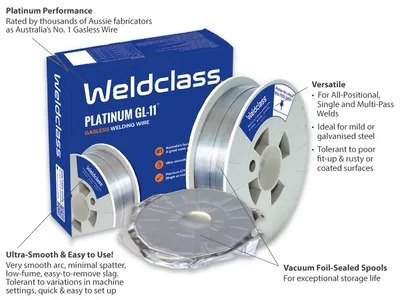
Welding is an essential process in industries such as manufacturing, construction, automotive, and metal fabrication. However, it also exposes workers to various occupational hazards, particularly welding fumes, smoke, gases, sparks, and intense light. Prolonged exposure to these hazards can negatively affect a welder’s health and workplace safety. Therefore, investing in reliable protective equipment is essential. Two important solutions that help create a safer working environment are a Welding Smoke Extractor and a Welding Helmet With Respirator.
Both products play an important role in protecting welders from harmful airborne particles and respiratory hazards. Understanding their benefits and applications can help businesses and professionals make better decisions about workplace safety.
Understanding the Importance of a Welding Smoke Extractor
During welding, high temperatures cause metals, coatings, and other materials to release fumes and airborne contaminants. These fumes may contain harmful substances such as manganese, chromium, nickel, and other metal particles, depending on the materials and welding process being used.
A Welding Smoke Extractor is specifically designed to capture and remove welding fumes from the work area before they spread throughout the workplace. It helps maintain cleaner air and reduces workers’ exposure to potentially hazardous contaminants.
Modern extraction systems use powerful fans, filters, and specially designed extraction arms or hoods to collect fumes directly from their source. This source-capture approach is particularly effective because it removes contaminants before workers can breathe them in.
Key Benefits of Using a Welding Smoke Extractor
There are several reasons why welding professionals and industrial facilities should consider installing an effective fume extraction system.
1. Improves Air Quality
One of the primary benefits of a welding fume extraction system is improved workplace air quality. By capturing harmful particles near the welding point, it helps prevent fumes from spreading across the workshop.
2. Supports Worker Health
Continuous exposure to welding fumes can cause respiratory irritation and other serious health problems. An appropriate extraction system helps reduce exposure and supports a healthier working environment.
3. Creates a Cleaner Workspace
Welding smoke and dust can accumulate on equipment, machinery, and nearby surfaces. A suitable extractor helps control airborne contaminants, making the workspace cleaner and easier to maintain.
4. Enhances Workplace Productivity
A cleaner working environment can improve employee comfort and concentration. When welders work in an environment with effective ventilation and fume control, they can perform their tasks more comfortably.
5. Supports Workplace Safety Compliance
Industrial workplaces must follow applicable occupational health and safety requirements. Using suitable extraction equipment can help businesses meet their responsibilities for controlling hazardous welding fumes.
What Is a Welding Helmet With Respirator?
While a fume extraction system helps control contaminants in the surrounding environment, personal respiratory protection provides another important layer of safety.
A Welding Helmet With Respirator combines traditional welding head and eye protection with respiratory protection. It is designed to protect welders from welding sparks, ultraviolet (UV) and infrared (IR) radiation, and airborne contaminants, depending on the helmet and respirator configuration.
These helmets are particularly useful in environments where welders may encounter airborne particles or where engineering controls alone cannot adequately control exposure.
Depending on the model, respiratory protection may be provided through a powered air-purifying respirator (PAPR) or another approved respiratory system. PAPR systems typically use a battery-powered blower to draw air through suitable filters and deliver filtered air to the breathing zone.
Major Advantages of a Welding Helmet With Respirator
1. Comprehensive Personal Protection
A welding helmet with integrated respiratory protection offers multiple forms of protection in one system. It helps protect the face and eyes from welding hazards while providing respiratory protection against specified airborne contaminants.
2. Improved Breathing Comfort
Powered respirator systems can provide a continuous supply of filtered air, reducing breathing resistance compared with some negative-pressure respirators. This can be particularly beneficial during long welding operations.
3. Better Visibility and Productivity
Many modern welding helmets feature adjustable auto-darkening filters, allowing welders to maintain visibility before, during, and after welding. Better visibility can support precision and work efficiency.
4. Convenient Design
Combining respiratory and welding protection can reduce the need to manage separate pieces of protective equipment. Well-designed systems also offer adjustable headgear and comfortable fittings.
5. Suitable for Different Welding Applications
Depending on the model and respiratory protection rating, these helmets can be used in fabrication workshops, industrial manufacturing facilities, construction projects, and other welding environments.
Welding Smoke Extractor vs. Welding Helmet With Respirator: Why Do You Need Both?
Although both products contribute to workplace safety, they serve different purposes.
A Welding Smoke Extractor is an engineering control that removes fumes from the work environment. A Welding Helmet With Respirator is personal protective equipment that protects the individual wearer.
Using both systems together can provide a more comprehensive approach to welding fume management. The extractor captures fumes at their source, while the respirator provides additional protection against contaminants that may remain in the breathing zone.
However, respiratory protection should never replace effective ventilation and extraction. Employers should assess workplace exposure, select suitable equipment, and ensure that all protective systems are properly maintained.
How to Choose the Right Welding Safety Equipment
Before purchasing welding protection equipment, consider the following factors:
- Welding Application: Identify the welding processes, materials, and coatings involved.
- Extraction Capacity: Choose a Welding Smoke Extractor with suitable airflow and filtration capacity for your application.
- Filter Quality: Check whether the filtration system is appropriate for the contaminants generated during welding.
- Respiratory Protection: Select a Welding Helmet With Respirator that meets the required respiratory protection standards.
- Comfort and Fit: Look for adjustable designs that allow welders to work comfortably for extended periods.
- Maintenance Requirements: Consider filter replacement, battery life, cleaning, and servicing requirements.
Always consult equipment specifications and workplace risk assessments before making a purchase.
Conclusion
Workplace safety should always be a priority in welding operations. Harmful fumes, airborne particles, sparks, and intense radiation can create significant risks when appropriate protective measures are not in place.
A reliable Welding Smoke Extractor helps remove harmful fumes from the workplace, while a high-quality Welding Helmet With Respirator provides personal protection for the welder. Together, these solutions support better air quality, improved worker comfort, and safer welding operations.
Whether you operate a small fabrication workshop or a large industrial facility, investing in appropriate welding safety equipment is a practical step toward protecting employees and maintaining a productive working environment.

FURTHER READING...

How to Make Cheap Calls to Nigerian Mobiles Using a Nigeria Calling App
November 13, 2026


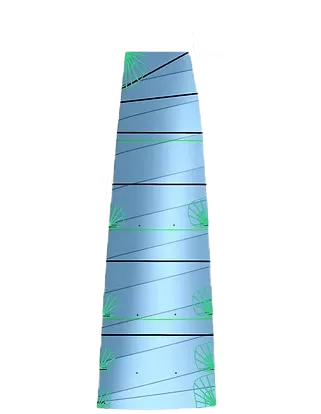
What Makes Sailpack Sail Design Important for Modern Sailmaking?
November 13, 2026

What Are the Most Effective Ways to Get Rid of Mice?
November 13, 2026


Latest - post



CONTACT US
Category
- blog (540)
- Bookkeeping (5)
- Business (561)
- driving (10)
- Environment (5)
- Health (73)
- Home (75)
- Industrial Equipment (1)
- IT Security & Payment Solutions (1)
- lawyer (1)
- Marketing (8)
- Medical (13)
- Panto sunglasses (1)
- Relationship (4)
- Trade Show Displays (1)
- travel (19)
- Wedding Photography&Event (1)
