
What Makes Sailpack Sail Design Important for Modern Sailmaking?
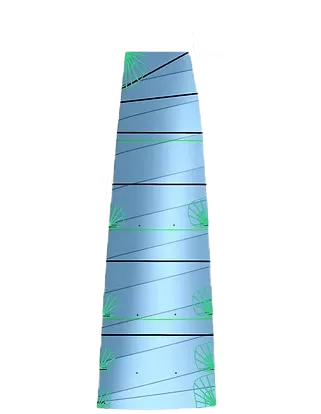
Sailpack Sail Design plays an important role in modern sailmaking by helping manufacturers create accurate, reliable, and high-quality sails. As the sailing industry continues to develop, sailmakers need efficient design methods, technical knowledge, and careful planning to meet different customer requirements. A well-organized design process helps improve sail performance, reduce production errors, and ensure that every sail is suitable for its intended vessel. By combining modern technology with professional expertise, businesses can achieve better results and maintain consistent product quality.
The Importance of Accurate Sail Design
Sail design involves much more than selecting fabric and deciding on the shape of a sail. It requires accurate measurements, an understanding of wind conditions, and knowledge of how different materials behave. Every detail can influence the final product, from the sail’s dimensions to its construction and reinforcement.
Accurate planning helps manufacturers avoid unnecessary material waste and costly production mistakes. It also makes communication between design teams and production departments easier. When technical specifications are clear, each stage of manufacturing can move forward with greater confidence.
The Role of Professional Expertise
An experienced Sail Designer brings valuable technical knowledge to every project. This professional considers factors such as sail shape, draft depth, aerodynamic efficiency, fabric strength, and the vessel’s specific requirements. These considerations help ensure that the finished sail performs as expected in different sailing conditions.
Different boats also require different design approaches. Racing yachts may need sails focused on speed and responsiveness, while cruising vessels often require durability, stability, and easy handling. Understanding these differences allows designers to develop suitable solutions for individual customers.
How Technology Improves the Design Process
Technology has transformed the way sailmakers plan and manufacture sails. Digital design tools allow professionals to create detailed patterns, review measurements, and organize technical information before production begins. This reduces dependence on manual calculations and helps improve accuracy.
Modern software can also make it easier to visualize sail shapes and identify possible design issues. Adjustments can be made before materials are cut, helping businesses save time and avoid unnecessary expenses.
Digital files also make project information easier to store and share. Designers and production teams can access consistent specifications, reducing confusion and supporting a smoother workflow.
Improving Manufacturing Efficiency
An efficient manufacturing process begins with accurate design information. When production teams receive clear instructions, they can understand the required dimensions, materials, and construction details more easily.
A structured workflow offers several advantages:
- Better material management: Accurate patterns help reduce unnecessary material use.
- Fewer production errors: Detailed specifications minimize measurement and cutting mistakes.
- Consistent quality: Standardized procedures help maintain reliable manufacturing results.
- Time savings: Clear instructions reduce repeated work and avoidable delays.
- Customer satisfaction: Well-made sails are more likely to meet customer expectations.
These improvements are especially useful for businesses managing multiple sailmaking projects.
Meeting the Needs of Different Vessels
Sails are used for recreational sailing, competitive racing, cruising, and long-distance voyages. Each application has its own requirements, so manufacturers must consider the vessel type, sailing conditions, fabric selection, and expected level of performance.
For example, racing sails often require careful attention to aerodynamic shape and responsiveness. Cruising sails may place greater emphasis on strength, durability, and dependable performance over extended periods.
Understanding the intended use of a sail helps manufacturers make better design decisions. Communication with customers at the beginning of a project can also clarify expectations and reduce the possibility of costly changes later.
Why Continuous Improvement Matters
The sailmaking industry is competitive, and businesses must continue improving their design and production methods. Reviewing completed projects, listening to customer feedback, and adopting useful technologies can help manufacturers identify areas where their processes can become more efficient.
Maintaining accurate project records is another valuable practice. Previous designs and production information can provide useful references for future work. This helps teams improve consistency and make informed decisions when handling similar projects.
Investing in professional knowledge and modern tools can support long-term business growth. The objective is not simply to manufacture sails quickly, but to deliver products that combine quality, accuracy, and reliability.
Conclusion
Modern sailmaking requires a balance of technical expertise, careful planning, and efficient production methods. Accurate design processes help manufacturers reduce errors, manage materials, and maintain consistent quality. Professional knowledge ensures that each sail is developed according to the vessel’s requirements and intended sailing conditions.
By adopting suitable technology and focusing on continuous improvement, sailmaking businesses can strengthen their operations and deliver dependable products. A thoughtful approach to design remains essential for meeting the changing needs of the modern sailing industry.

FURTHER READING...


What Are the Most Effective Ways to Get Rid of Mice?
November 13, 2026



What Are the Most Common Kenmore Appliance Problems?
November 13, 2026

What Are the Most Common Kenmore Appliance Problems?
November 13, 2026


Latest - post



CONTACT US
Category
- blog (539)
- Bookkeeping (5)
- Business (558)
- driving (10)
- Environment (5)
- Health (72)
- Home (75)
- Industrial Equipment (1)
- IT Security & Payment Solutions (1)
- lawyer (1)
- Marketing (8)
- Medical (13)
- Panto sunglasses (1)
- Relationship (4)
- Trade Show Displays (1)
- travel (19)
- Wedding Photography&Event (1)
