
Build a Successful Career in Cloud Computing and DevOps with Practical, Industry-Focused Training
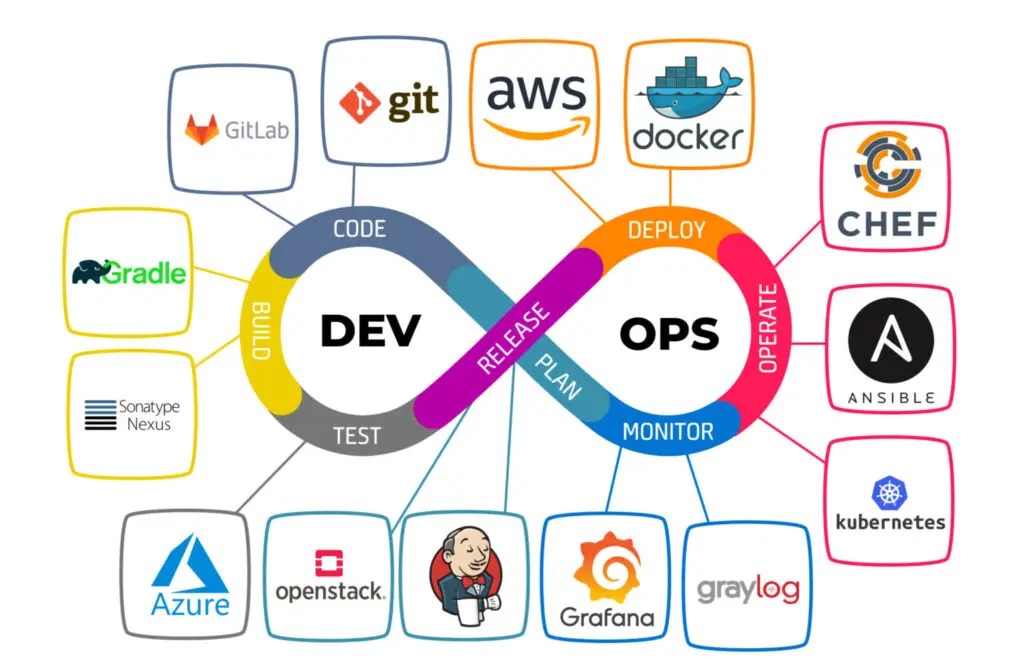
The technology industry is evolving rapidly, creating exciting career opportunities for individuals interested in cloud computing, automation, infrastructure management, and software deployment. Organizations increasingly depend on cloud platforms and DevOps practices to improve productivity, enhance security, and deliver applications faster. As a result, skilled professionals with practical technical knowledge are in high demand. Choosing the right training program can help aspiring candidates develop relevant skills, gain hands-on experience, and prepare for rewarding technology careers.
1. Develop In-Demand Skills Through Cloud Computing Training
Cloud computing has become an essential part of modern business operations. Companies use cloud platforms to manage applications, store information, scale infrastructure, and improve operational efficiency. Learning cloud technologies can open opportunities in cloud administration, cloud engineering, infrastructure management, and technical support.
Enrolling in a Cloud computing course with placement can help learners understand cloud fundamentals while preparing for employment opportunities. A comprehensive course should cover essential concepts such as virtualization, networking, storage, cloud security, infrastructure deployment, and resource management.
Practical learning is particularly important because employers value candidates who can apply theoretical knowledge to real workplace challenges. Students should look for programs that include guided exercises, practical assignments, technical assessments, and exposure to commonly used cloud services.
2. Understand DevOps Through Practical Training
DevOps combines development and operations practices to improve collaboration, automate workflows, and accelerate software delivery. Professionals working in this field use tools and technologies to manage code integration, application testing, deployment, monitoring, and infrastructure automation.
A structured DevOps live projects training program allows learners to understand how different tools work together in actual development environments. Instead of learning individual technologies in isolation, students gain an understanding of complete software delivery workflows.
A quality training program should introduce version control, continuous integration, continuous delivery, containerization, orchestration, configuration management, and monitoring. These skills help learners understand the responsibilities of DevOps professionals across different stages of software development.
3. Learn Through Real-World Cloud Projects
Practical experience helps bridge the gap between classroom learning and professional responsibilities. Working on Cloud live industry projects gives students an opportunity to explore cloud infrastructure, application hosting, resource configuration, and deployment processes.
Project-based learning also improves troubleshooting and problem-solving abilities. Learners can understand how to identify technical issues, analyze system performance, configure services, and implement suitable solutions.
A comprehensive Cloud DevOps training with real projects approach combines cloud computing knowledge with DevOps workflows. Students can explore automated deployment pipelines, container-based applications, infrastructure management, and cloud monitoring.
These experiences help learners become familiar with the challenges they may encounter when working in professional technology environments.
4. Gain Knowledge from Experienced Industry Professionals
Learning from experienced professionals can make technical education more practical and effective. A DevOps training by industry expert program can provide valuable insights into industry practices, commonly used tools, and workplace expectations.
Experienced instructors can explain complex concepts through practical examples and demonstrate how different technologies are applied in professional projects. They can also help learners understand technical documentation, debugging methods, deployment strategies, and infrastructure-related challenges.
A Mentor led DevOps program adds another layer of support by allowing students to receive guidance throughout their learning journey. Mentors can help identify knowledge gaps, review assignments, explain difficult topics, and provide suggestions for improving technical skills.
Consistent mentorship can also encourage learners to develop confidence when working independently on technical tasks.
5. Build Confidence with Real-Time DevOps Experience
Employers often look for candidates who understand practical workflows rather than relying exclusively on theoretical knowledge. Participating in Real time DevOps projects can help students understand how development teams manage applications, automate repetitive tasks, and maintain reliable infrastructure.
For example, learners may work on source code management, automated build processes, container deployment, application monitoring, and infrastructure configuration. These activities provide valuable experience with the tools and processes used in modern technology environments.
Similarly, Industry level DevOps projects can expose students to structured workflows, project documentation, troubleshooting procedures, and collaboration practices. Completing such projects can help candidates demonstrate their abilities during technical interviews.
Maintaining project documentation and building a portfolio can also make it easier to explain technical contributions to potential employers.
6. Prepare Effectively for Technical Interviews
Technical knowledge alone may not be sufficient to secure a job. Candidates must also communicate their understanding, explain project experiences, and respond confidently to technical questions.
A dedicated DevOps interview preparation program can help learners prepare for common interview topics, practical assessments, and scenario-based discussions. Important subjects may include Linux fundamentals, networking, Git, CI/CD pipelines, Docker, Kubernetes, cloud services, monitoring, and infrastructure automation.
Interview preparation should include practical exercises, mock interviews, troubleshooting questions, and discussions about completed projects. Candidates should be able to explain why they selected particular tools, how they handled technical challenges, and what they learned from their project experiences.
Developing communication skills and maintaining a clear understanding of fundamental concepts can further improve interview performance.
7. Explore Career Opportunities with Placement Assistance
After completing technical training, the next important step is preparing for employment. A structured DevOps job placement program can support candidates through resume preparation, interview guidance, job opportunity information, and recruitment preparation.
Students should understand what placement assistance includes before enrolling. Useful services may involve career counseling, mock interviews, technical evaluations, and guidance on presenting project experience professionally.
Likewise, a Cloud job placement program can help aspiring cloud professionals prepare for opportunities in cloud support, cloud administration, infrastructure operations, and cloud engineering. Candidates should review the program’s placement process, eligibility requirements, and support arrangements to understand what assistance is available.
8. Choose a Training Program That Supports Long-Term Growth
Selecting the right training provider is an important career decision. Learners should evaluate the curriculum, instructor experience, practical project coverage, mentorship, learning resources, and placement support before making a commitment.
bootcampexperts can be explored by individuals looking for professional learning opportunities in cloud computing and DevOps. Prospective students should review available course details and verify that the curriculum matches their career goals and current skill level.
A strong training experience should encourage continuous learning, practical experimentation, and independent problem-solving. Since cloud platforms and DevOps tools continue to evolve, professionals must remain curious and regularly update their technical knowledge.
Conclusion
Cloud computing and DevOps offer promising career opportunities for individuals willing to develop practical technical skills. Combining structured learning, real-world projects, expert guidance, interview preparation, and career support can help learners build a strong professional foundation.
Before choosing a program, compare its curriculum, project experience, mentorship approach, and placement services. bootcampexperts is one option to research when exploring training opportunities. With consistent effort, hands-on practice, and a commitment to continuous improvement, aspiring professionals can prepare themselves for the changing demands of the technology industry and pursue long-term career growth.

FURTHER READING...




Latest - post





CONTACT US
Category
- blog (569)
- Bookkeeping (5)
- Business (662)
- driving (10)
- Environment (5)
- Health (90)
- Home (75)
- Industrial Equipment (1)
- IT Security & Payment Solutions (1)
- lawyer (1)
- Marketing (8)
- Medical (13)
- Panto sunglasses (1)
- Relationship (4)
- Trade Show Displays (1)
- travel (19)
- Wedding Photography&Event (1)
