
Can a Dementia Care Home Builder Improve Residents’ Quality of Life?
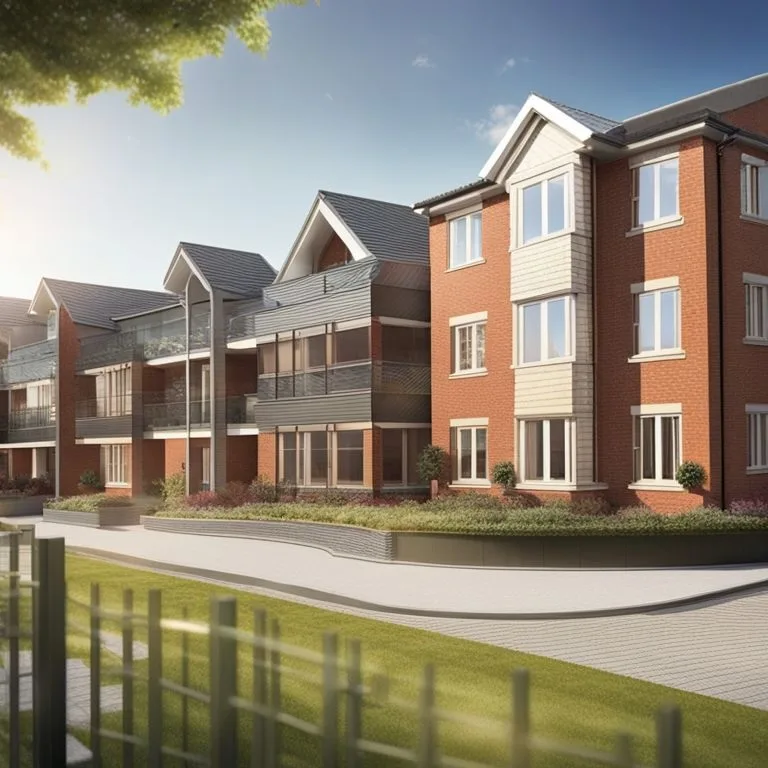
A dementia care home builder plays a vital role in creating environments that support individuals living with dementia. Unlike standard residential developments, dementia care homes require specialized design features that enhance safety, comfort, independence, and overall well-being. The physical environment has a direct impact on how residents experience daily life, making thoughtful construction and planning essential.
As the number of people diagnosed with dementia continues to grow, families and healthcare providers increasingly rely on professional Care Home Developers to create facilities that address unique cognitive and physical needs. A well-designed care home can reduce anxiety, encourage social interaction, and improve the quality of life for residents.
Why Does Design Matter in Dementia Care Homes?
The environment significantly influences the behavior and emotional health of people living with dementia. Confusing layouts, poor lighting, and excessive noise can increase stress and disorientation. In contrast, carefully designed spaces help residents navigate their surroundings with confidence.
A skilled dementia care home builder understands how architecture and interior design affect cognitive function. Features such as clear signage, accessible pathways, familiar décor, and natural lighting contribute to a supportive living environment.
Good design helps residents:
- Feel safer and more secure
- Maintain independence longer
- Experience less confusion and agitation
- Engage in social activities
- Improve emotional well-being
These benefits demonstrate why specialized construction is crucial for dementia care facilities.
How Do Specialized Layouts Support Residents?
One of the most important responsibilities of a dementia care home builder is creating layouts that are easy to understand and navigate. Residents with dementia often struggle with memory and orientation, making complex floor plans difficult to manage.
Specialized layouts typically include:
Simple Navigation Paths
Straightforward hallways and clear routes reduce confusion. Residents can move independently without feeling lost.
Circular Walking Routes
Many dementia patients enjoy walking. Circular pathways allow them to move freely while remaining safe within the facility.
Clearly Defined Spaces
Distinct dining areas, lounges, and activity rooms help residents recognize the purpose of each space.
Visual Landmarks
Color-coded sections, artwork, and familiar furniture provide cues that help residents identify locations within the home.
These design strategies create a more comfortable and predictable environment.
Can Safety Features Enhance Daily Living?
Safety is a top priority in dementia care homes. However, safety measures should not make residents feel restricted. Experienced Care Home Developers balance security with comfort and independence.
Important safety features include:
Slip-Resistant Flooring
Falls are a major concern among elderly residents. Non-slip surfaces help reduce accident risks.
Secure Outdoor Spaces
Residents benefit from fresh air and exercise. Secure gardens allow safe outdoor access without the risk of wandering.
Controlled Access Points
Modern access systems protect residents while maintaining a welcoming atmosphere.
Emergency Response Systems
Quick-response technology enables staff to provide immediate assistance when needed.
These features help residents feel protected without compromising their dignity.
How Does Natural Light Improve Well-Being?
Natural light is one of the most valuable design elements in dementia care facilities. Studies have shown that exposure to daylight can improve mood, sleep quality, and overall health.
A knowledgeable dementia care home builder incorporates large windows, skylights, and open communal areas to maximize natural light throughout the building.
Benefits of natural lighting include:
- Better sleep patterns
- Reduced depression and anxiety
- Improved orientation to time and place
- Enhanced physical health
Residents who spend time in well-lit environments often experience a greater sense of comfort and stability.
Why Are Outdoor Spaces Important?
Access to nature can have a positive effect on individuals living with dementia. Outdoor environments provide opportunities for relaxation, exercise, and sensory stimulation.
Professional Care Home Developers often include:
- Landscaped gardens
- Walking paths
- Seating areas
- Sensory gardens
- Courtyards
These outdoor spaces encourage physical activity and social interaction while helping reduce feelings of isolation.
Residents can enjoy fresh air and maintain a connection with nature, which contributes significantly to their quality of life.
How Can Social Spaces Encourage Engagement?
Loneliness and isolation can negatively affect mental health among care home residents. For this reason, communal areas are a key focus for every dementia care home builder.
Well-designed social spaces encourage residents to participate in activities and connect with others. These areas may include:
Comfortable Lounges
Inviting lounges provide opportunities for conversation and relaxation.
Dining Rooms
Shared meals help residents build relationships and maintain social routines.
Activity Rooms
Dedicated spaces support hobbies, games, crafts, and therapeutic programs.
Family Visiting Areas
Private and welcoming spaces allow families to spend quality time together.
Social engagement can improve emotional well-being and create a stronger sense of community within the care home.
What Role Does Familiarity Play in Dementia Care?
People living with dementia often respond positively to familiar surroundings. Recognizable environments reduce confusion and create a sense of security.
An experienced dementia care home builder incorporates design elements that feel homelike rather than institutional. These may include:
- Traditional furnishings
- Warm color schemes
- Residential-style kitchens
- Comfortable living rooms
- Personalized bedroom spaces
Creating a familiar atmosphere helps residents feel more relaxed and connected to their environment.
How Does Technology Support Better Care?
Modern dementia care homes increasingly use technology to improve safety and quality of life. Innovative solutions help staff monitor residents while promoting independence.
Examples include:
Smart Monitoring Systems
These systems help staff identify potential risks without constant intrusion.
Automated Lighting
Lighting that adjusts throughout the day supports healthy sleep cycles.
Digital Communication Tools
Technology helps residents stay connected with family members and caregivers.
Health Monitoring Devices
These tools assist in tracking resident health and responding quickly to changes.
Leading Care Home Developers integrate technology thoughtfully to support both residents and care teams.
Why Should Care Homes Focus on Comfort?
Comfort goes beyond physical needs. Emotional comfort is equally important for dementia residents. Every design decision should contribute to a calming and supportive environment.
Comfort-focused features include:
- Quiet spaces for relaxation
- Comfortable seating
- Noise reduction measures
- Temperature control systems
- Personalized living areas
A professional dementia care home builder understands how these details affect everyday experiences and overall satisfaction.
How Do Experienced Builders Create Better Outcomes?
Building a dementia care home requires more than construction expertise. It demands a deep understanding of dementia-related challenges and best practices.
Experienced Care Home Developers collaborate with healthcare professionals, caregivers, and facility operators to create environments that truly meet resident needs.
Their expertise helps ensure:
- Regulatory compliance
- Efficient space planning
- Resident-centered design
- Long-term operational success
- Enhanced quality of care
Companies such as Care Home Builders specialize in creating environments that support both residents and caregivers. Their knowledge helps transform care facilities into welcoming communities where individuals can thrive. By focusing on thoughtful design, Care Home Builders contribute to safer, more comfortable, and more engaging living spaces.
Conclusion
So, can a dementia care home builder improve residents’ quality of life? The answer is yes. Through specialized layouts, enhanced safety features, natural lighting, outdoor spaces, social environments, and innovative technology, a well-designed care home can positively influence every aspect of daily living.
Professional Care Home Developers understand that the environment plays a crucial role in supporting people with dementia. By creating spaces that promote independence, comfort, and engagement, they help residents enjoy a higher quality of life while giving families greater peace of mind. Investing in thoughtful design is not simply about constructing a building—it is about creating a place where residents can live with dignity, security, and purpose.

FURTHER READING...



What Are the Benefits of Becoming AWS SAA-C03 Certified?
June 25, 2026




Latest - post



CONTACT US
Category
- blog (230)
- Bookkeeping (5)
- Business (156)
- driving (3)
- Environment (8)
- Home (125)
- Marketing (11)
- Medical (17)
- Relationship (10)
- travel (5)
