
Smart Garden Center Design Ideas for Beautiful and Functional Spaces
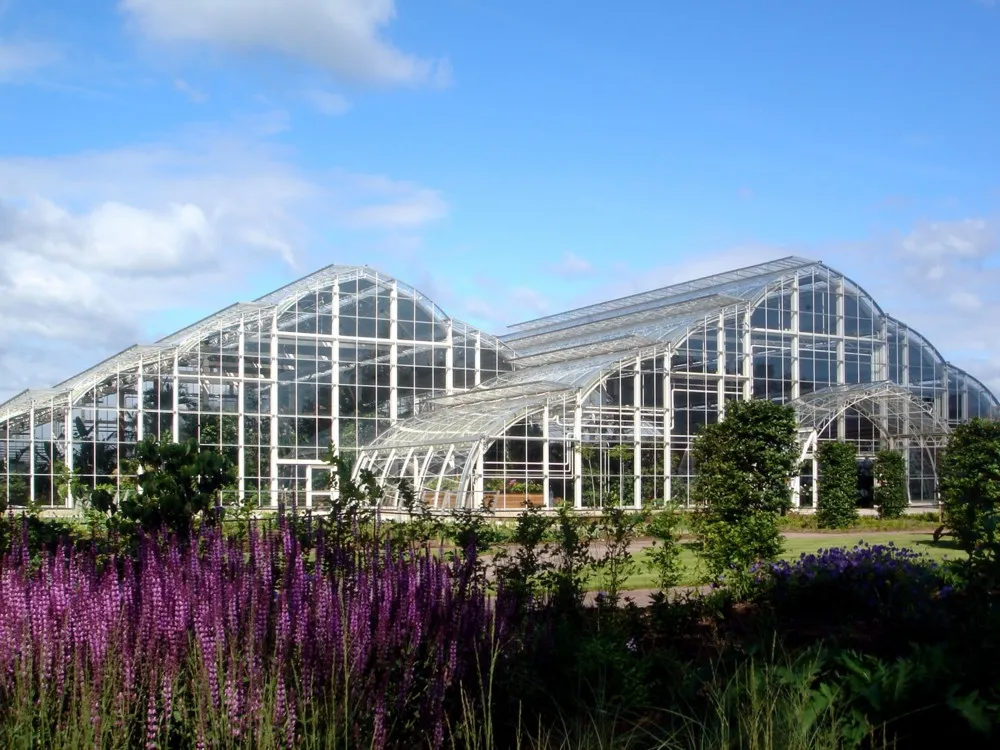
A well-designed garden center is more than a place to purchase plants, pots, and gardening supplies. It should create an inviting experience that inspires customers and makes it easy for them to discover the right products for their homes and outdoor spaces. From attractive displays to practical walkways, thoughtful design can transform an ordinary garden center into an engaging destination for plant lovers.
Creating an Effective Garden Center Layout
A successful Garden Center layout design should balance visual appeal with functionality. Customers need enough space to move comfortably between displays while being able to see plants and products clearly. Organizing the center into dedicated sections for flowering plants, shrubs, indoor plants, gardening tools, containers, and decorative accessories can make shopping much easier.
Clear pathways are particularly important. A crowded or confusing layout may discourage customers from exploring different areas of the garden center. Wide, accessible walkways can improve movement while also providing opportunities to create attractive plant displays along the customer journey.
Product placement also plays an important role. Popular plants and seasonal products can be positioned in highly visible areas, while complementary products can be displayed nearby. For example, placing attractive pots and planters close to indoor plants can encourage customers to consider both products together.
Making Plant Displays More Engaging
Visual presentation can strongly influence purchasing decisions. Plants should be arranged at different heights to create depth and make displays more interesting. Wooden shelving, raised platforms, decorative stands, and natural materials can add character while keeping plants organized.
Lighting should also be considered carefully. Natural light is ideal for many plant displays, but artificial lighting can help highlight specific products and create a welcoming atmosphere during darker hours. The goal is to make the plants look healthy and appealing without compromising their growing requirements.
At Garden Center Advice, thoughtful planning focuses on combining customer experience, plant health, and practical retail considerations. A carefully planned environment can help customers feel comfortable while encouraging them to spend more time exploring.
Bringing Nature Indoors
Modern garden centers are increasingly incorporating indoor environments to showcase houseplants and create memorable experiences. An effective Indoor botanical garden design can turn an ordinary indoor area into a vibrant green space filled with different textures, colors, and plant varieties.
Indoor botanical areas can feature tropical plants, hanging greenery, palms, ferns, succulents, and decorative foliage. Combining different plant heights and leaf shapes creates a layered appearance that feels natural and immersive.
Temperature, humidity, ventilation, and lighting should be considered during the planning stage. Plants have different environmental requirements, so selecting varieties that can thrive under the available indoor conditions is essential.
Designing for Customer Experience
Good garden center design should always consider how customers interact with the space. Signage can help visitors quickly identify different plant categories, while educational labels can provide useful information about watering, sunlight, soil, and maintenance requirements.
Seating areas can also enhance the overall experience, particularly in larger garden centers. A small relaxation area surrounded by plants can make the environment feel more welcoming and encourage visitors to stay longer.
Seasonal displays are another effective design feature. Spring flowers, summer plants, autumn decorations, and winter greenery can give customers a reason to return throughout the year.
Combining Beauty With Practicality
The best garden centers successfully combine aesthetics and everyday functionality. Drainage systems, storage areas, maintenance access, irrigation, and plant-care facilities should be incorporated into the design without disrupting the customer-facing environment.
A thoughtful design can also make staff work easier. Clearly organized inventory areas and accessible plant displays allow employees to maintain, water, move, and restock products more efficiently.
Garden Center Advice emphasizes the importance of creating spaces that are both visually attractive and practical. When layout, plant presentation, customer movement, and environmental requirements are carefully considered, a garden center can become an inspiring destination rather than simply a retail space.
Ultimately, successful garden center design is about creating a connection between people and plants. With the right planning, thoughtful displays, and a welcoming atmosphere, garden centers can provide customers with an enjoyable experience while showcasing the beauty and possibilities of gardening.

FURTHER READING...

Need a Trusted Aluminium Supplier in Singapore?
October 10, 2026


Where Can You Find Reliable Snow Shoveling in Windermere Edmonton?
October 10, 2026
How to Choose the Best Phone Repair in Canberra for Your Device
October 10, 2026


Latest - post





CONTACT US
Category
- blog (478)
- Bookkeeping (5)
- Business (401)
- driving (5)
- Environment (5)
- Health (29)
- Home (74)
- Industrial Equipment (1)
- IT Security & Payment Solutions (1)
- lawyer (1)
- Marketing (8)
- Medical (13)
- Panto sunglasses (1)
- Relationship (4)
- Trade Show Displays (1)
- travel (18)
- Wedding Photography&Event (1)
