
What Documents Are Required for an Out of Province Inspection?
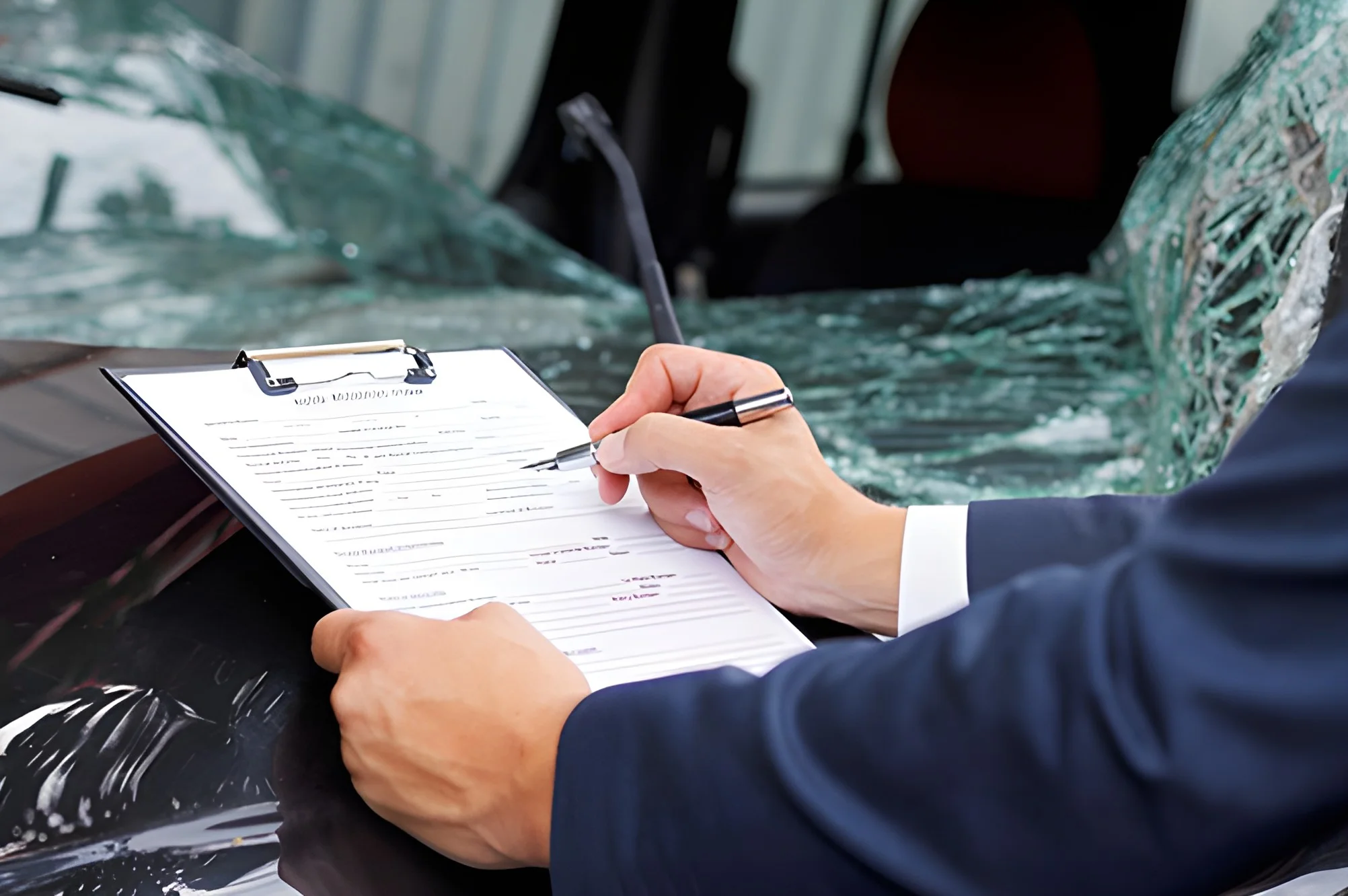
Buying or moving a vehicle from another province can involve several steps before you can register it for road use. In Alberta, an Out of Province Inspection helps confirm that a vehicle meets the province’s safety and equipment standards before registration, when an inspection is required.
This inspection checks important vehicle components, including brakes, tires, lights, steering, suspension, and other safety-related systems. The inspection facility also verifies relevant vehicle identification details.
Preparing the correct documents before your appointment can save time and help prevent unnecessary delays. Whether you recently moved to Alberta, purchased a vehicle in another province, or brought a vehicle into the province for personal use, knowing which paperwork to bring makes the process easier.
Which Documents Do You Need for an Out of Province Inspection?
Before visiting an inspection facility, gather the documents that help identify your vehicle and establish ownership. The exact requirements may vary depending on your circumstances, so confirm them with an authorized inspection facility or Alberta registry agent.
1. Vehicle Registration Certificate
Your current vehicle registration is one of the most useful documents to bring. It provides information about the vehicle and its registered owner.
The registration helps the inspection facility verify details such as the vehicle identification number (VIN), make, model, and registration information. If you recently purchased the vehicle, bring the available registration documents from the previous province.
If your registration has expired or you do not have the original document, contact the inspection facility before your appointment to ask which alternatives it accepts.
2. Proof of Vehicle Ownership
You should also bring documents that establish your legal ownership of the vehicle. Depending on your situation, these may include a bill of sale, purchase agreement, or other acceptable ownership documentation.
A bill of sale generally records the transaction between the buyer and seller. It may include the purchase date, vehicle details, sale price, and information about both parties.
If you received the vehicle as a gift or inherited it, different supporting documents may apply. Confirm the acceptable paperwork with an Alberta registry agent before visiting the inspection centre.
3. Valid Photo Identification
Bring government-issued photo identification to help establish your identity when required. An Alberta driver’s licence or another accepted form of identification may be suitable, depending on the service you need.
If you recently moved to Alberta, ask the registry agent whether you need additional documents to complete your registration after the inspection.
Keep your identification and vehicle paperwork together so you can present them easily when requested.
4. Vehicle Identification Number (VIN) Information
The VIN uniquely identifies your vehicle. Inspection personnel use it to confirm that the vehicle matches the accompanying documents.
You can usually find the VIN on the dashboard near the windshield and on the driver’s door frame. The number should match the VIN recorded on your registration and ownership paperwork.
If the VIN appears damaged, altered, difficult to read, or inconsistent across documents, contact the appropriate Alberta authority before proceeding. Resolving identification discrepancies early can help avoid complications.
Do You Need Additional Documents for Imported or Special Vehicles?
Some vehicles require additional paperwork because of their ownership history, modifications, or import status.
For example, if you imported a vehicle from outside Canada, you may need relevant import documents and evidence that the vehicle meets applicable Canadian requirements. The documents depend on the vehicle’s origin and import circumstances.
If your vehicle has undergone major modifications, keep any available records related to those changes. The inspection facility can explain whether further documentation or technical verification is necessary.
For leased vehicles, company vehicles, or vehicles registered under another person’s name, ask whether authorization or additional ownership records are required.
Preparing these documents in advance helps the inspection facility assess your situation and explain the next steps.
How Can You Prepare Your Vehicle Before the Inspection?
Documents are important, but your vehicle must also meet the applicable inspection standards. A little preparation can help you identify problems before your appointment.
Start by checking the following components:
- Brakes: Listen for unusual noises and pay attention to changes in braking performance.
- Tires: Check tread condition, visible damage, and tire pressure.
- Lights: Test the headlights, brake lights, turn signals, and other required lighting.
- Windshield and mirrors: Look for cracks, damage, and visibility issues.
- Steering and suspension: Notice unusual vibrations, noises, or handling problems.
- Seat belts: Check for visible damage and confirm that the belts latch properly.
- Wipers and horn: Ensure they operate correctly.
These preliminary checks do not replace a formal inspection. A qualified technician must assess the vehicle against the applicable requirements.
If you discover a problem, arrange the necessary repairs before the inspection when practical. This approach can reduce the risk of an inspection failure and the need for a return visit.
Where Can You Get an Out of Province Inspection in Edmonton?
If you live in Edmonton, choosing an appropriate inspection facility is an important part of the process. Look for a facility authorized to perform the specific inspection your vehicle requires.
When searching for Auto Repair Edmonton services, check whether the shop offers provincial out-of-province inspections, confirm appointment availability, and ask about inspection fees.
Before booking, ask the facility these questions:
- What documents should I bring for my specific vehicle?
- Do I need an appointment?
- What is the current inspection fee?
- How long does the inspection usually take?
- What happens if my vehicle does not pass?
- Can your technicians explain any required repairs?
Auto Checkers can be included in your research when comparing automotive service options. Before booking, confirm the facility’s authorization, current services, and document requirements directly.
Remember that an inspection facility’s authorization matters more than its general repair services. Not every automotive repair shop can perform every type of provincial inspection.
What Happens If Your Vehicle Fails the Inspection?
If your vehicle does not meet the applicable safety standards, the inspection facility will identify the deficiencies that need attention. You may need to repair or replace certain components before arranging a reinspection.
Review the inspection report carefully and ask the technician to explain any unfamiliar findings. Request an estimate for the required repairs and clarify whether the facility offers reinspection services.
Keep copies of your inspection report, repair invoices, and related documents. These records can help you track completed work and understand the vehicle’s condition.
Do not assume that repairing the identified problems automatically completes the registration process. You may still need to obtain the required inspection documentation and complete the applicable steps with an Alberta registry agent.
How Can You Avoid Delays During the Inspection Process?
You can make the process smoother by following a few practical steps.
First, contact the inspection facility and explain why your vehicle needs an out-of-province inspection. Mention the province where it was last registered and whether you recently purchased or imported it.
Next, organize your registration certificate, proof of ownership, identification, and any additional documents relevant to your circumstances. Check that the vehicle information matches across all paperwork.
Then, confirm the appointment, inspection fee, and expected completion time. Ask whether the facility recommends a preliminary mechanical check before the formal inspection.
Finally, keep your inspection report and any repair records in a safe place. Follow the instructions provided by the inspection facility and registry agent to complete the registration process.
Are You Ready for Your Out of Province Inspection?
Preparing the correct paperwork can make an Out of Province Inspection easier and help you avoid preventable delays. Vehicle registration, proof of ownership, identification, and VIN information are useful starting points, but additional documents may apply to imported, leased, or specially modified vehicles.
Before your appointment, confirm the current requirements with an authorized Alberta inspection facility and registry agent. Check your vehicle’s condition, organize your documents, and ask questions about any part of the process you do not understand.
With the right preparation and support from a qualified automotive service provider, you can approach your inspection with greater confidence and take the necessary steps toward registering your vehicle in Alberta.

FURTHER READING...

Why Is Regular Ant and Insect Control Important for Your Property?
October 20, 2026
เตียงประเภทไหนดีที่สุดสำหรับการนอนหลับอย่างสบาย?
October 19, 2026

What Should You Do Immediately After Flood Damage?
October 19, 2026




How Do You Mix Art Deco Furniture With Modern Decor?
October 17, 2026
Latest - post



CONTACT US
Category
- blog (501)
- Bookkeeping (5)
- Business (443)
- driving (10)
- Environment (5)
- Health (46)
- Home (75)
- Industrial Equipment (1)
- IT Security & Payment Solutions (1)
- lawyer (1)
- Marketing (8)
- Medical (13)
- Panto sunglasses (1)
- Relationship (4)
- Trade Show Displays (1)
- travel (18)
- Wedding Photography&Event (1)
