
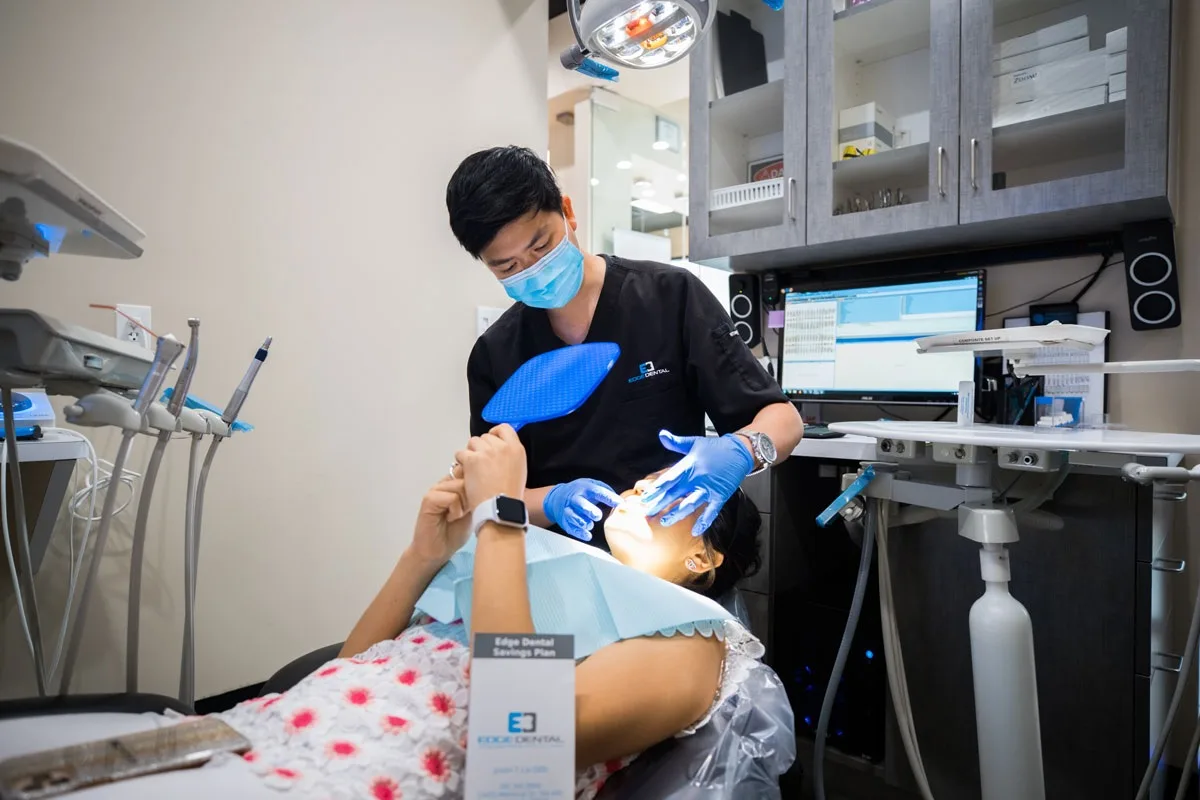
A healthy, attractive smile depends on more than straight and white teeth. The shape of your gums and the amount of visible tooth structure also influence your smile’s appearance and oral health. Sometimes, the gums cover too much of a tooth, making it look shorter than normal or preventing a dentist from properly restoring it. In these situations, crown lengthening treatment may offer an effective solution.
Crown lengthening is a dental procedure that reshapes the gum tissue and, when necessary, removes a small amount of supporting bone to expose more of the natural tooth. Dentists recommend this treatment for both cosmetic and restorative reasons. Understanding when you need it can help you make informed decisions about your dental health.
If you are researching Crown Lengthening near Me, learning about the procedure, its benefits, and the situations that require it can help you prepare for a dental consultation.
What Is Crown Lengthening Treatment?
Crown lengthening is a periodontal procedure that exposes more of the visible portion of a natural tooth. A dentist or periodontist carefully removes excess gum tissue and may adjust the surrounding bone to create an appropriate gumline.
The procedure does not make the actual tooth longer. Instead, it reveals more of the tooth structure that already exists beneath the gums.
Dentists generally recommend crown lengthening for two main reasons:
- Restorative purposes: To expose enough natural tooth structure for a dental crown, filling, or other restoration.
- Cosmetic purposes: To improve the appearance of a gummy smile or uneven gumline.
Your dentist evaluates your teeth, gums, and bone structure before recommending treatment. This assessment helps determine whether crown lengthening suits your individual needs.
When Should You Consider Crown Lengthening?
Several dental conditions may make crown lengthening a suitable treatment option. Recognizing these situations can help you understand when to schedule a professional examination.
1. When You Have a Gummy Smile
A gummy smile occurs when excessive gum tissue covers a noticeable portion of your teeth. As a result, your teeth may appear shorter or smaller than their actual size.
Crown lengthening can reshape the gumline and reveal more of your natural teeth. This treatment creates a more balanced relationship between your teeth and gums.
If you feel uncomfortable showing your smile because your gums dominate its appearance, discuss cosmetic crown lengthening with your dentist. A professional evaluation can determine whether excess gum tissue causes the concern.
2. When Your Tooth Needs a Dental Crown
Sometimes, a tooth breaks, develops extensive decay, or loses a significant amount of its natural structure. Your dentist may recommend a dental crown to restore its strength and appearance.
However, the remaining tooth structure may sit too close to or below the gumline. This situation can make it difficult to place a crown securely.
Crown lengthening exposes more of the natural tooth, giving your dentist sufficient structure to prepare and place the restoration. It can also help create a healthier relationship between the crown and surrounding gum tissue.
3. When Tooth Decay Extends Below the Gumline
Dental decay does not always remain above the gumline. In some cases, cavities extend beneath the gums, making the affected area difficult to access.
Your dentist needs clear access to the damaged portion of the tooth to remove decay and complete the restoration properly.
Crown lengthening may expose the affected area and create enough space for restorative treatment. This approach can help your dentist repair the tooth while maintaining appropriate gum health.
4. When You Have a Broken or Fractured Tooth
Accidents, injuries, and biting hard foods can cause teeth to crack or break. Some fractures extend below the gumline and leave insufficient natural tooth structure for restoration.
In these situations, crown lengthening may expose additional tooth structure so your dentist can evaluate and restore the damaged tooth.
However, not every fractured tooth qualifies for this procedure. Your dentist must assess the location and depth of the fracture, the remaining tooth structure, and the tooth’s overall condition before recommending treatment.
5. When Your Gumline Looks Uneven
An uneven gumline can make your teeth appear different in length, even when they have similar natural dimensions. Excess gum tissue around certain teeth may create an unbalanced smile.
Cosmetic crown lengthening can reshape the gumline and improve symmetry. Your dentist evaluates your natural tooth proportions before removing tissue to create a more harmonious appearance.
What Are the Main Benefits of Crown Lengthening?
Crown lengthening offers several benefits when dentists recommend it for the right reasons. The treatment can improve both the function and appearance of your teeth.
Improved smile appearance: Removing excess gum tissue can reveal more of your natural teeth and create a balanced smile.
Better restorative access: The procedure exposes tooth structure that your dentist needs to prepare for crowns or other restorations.
Support for dental restorations: Crown lengthening can create a more suitable foundation for certain restorative treatments.
Improved gumline symmetry: Carefully reshaping excess tissue can create a more even appearance across your smile.
Preservation of natural teeth: In selected cases, exposing additional tooth structure may help make a damaged tooth restorable instead of requiring extraction.
Your dentist will explain which benefits apply to your condition and whether another treatment could provide better results.
How Do Houston TX Dentists Determine Whether You Need Treatment?
Professional evaluation plays an important role in deciding whether crown lengthening is necessary. Experienced houston tx dentists examine your oral health before recommending any surgical procedure.
During your consultation, your dentist may:
- Examine your teeth and surrounding gum tissue.
- Measure the amount of visible tooth structure.
- Check for cavities, fractures, and existing restorations.
- Evaluate the position of the supporting bone.
- Review dental X-rays when necessary.
- Discuss your cosmetic expectations and restorative needs.
Your dentist also considers your gum health and overall dental history. These details help determine how much tissue needs adjustment and whether crown lengthening offers a predictable outcome.
What Happens During the Crown Lengthening Procedure?
Understanding the treatment process can make your dental appointment feel less stressful. Although individual cases vary, crown lengthening generally follows several steps.
Initial examination: Your dentist examines the affected tooth and develops a treatment plan based on your dental condition.
Local anesthesia: The dental team numbs the treatment area to help keep you comfortable throughout the procedure.
Gum reshaping: The dentist carefully removes or reshapes excess gum tissue to expose more of the tooth.
Bone adjustment: If necessary, the dentist adjusts a small amount of supporting bone to establish an appropriate gumline.
Final assessment: The dentist checks the treated area, ensures proper tissue positioning, and provides instructions for recovery.
The length of the procedure depends on the number of teeth involved and the complexity of your case.
How Long Does Recovery Take After Crown Lengthening?
Recovery varies depending on the extent of treatment and your body’s healing process. Most patients experience some swelling, tenderness, or mild discomfort during the initial healing period.
Your dentist may recommend the following steps to support recovery:
- Follow all prescribed medication instructions.
- Eat soft foods while the treated area heals.
- Avoid chewing directly on the surgical site.
- Maintain oral hygiene carefully.
- Avoid smoking because it can interfere with healing.
- Attend scheduled follow-up appointments.
The gum tissue generally needs several weeks to heal, while complete healing and tissue stabilization may take longer. Your dentist will determine when the area is ready for the next restorative step, such as placing a permanent crown.
Are There Any Risks Associated With Crown Lengthening?
Like other surgical dental procedures, crown lengthening involves certain risks. Some patients experience temporary sensitivity, swelling, bleeding, or discomfort after treatment.
Other possible concerns include gum recession, changes in tooth appearance, root sensitivity, and uneven gum contours. Removing too much supporting tissue can also affect the tooth’s stability.
Your dentist reduces these risks through careful planning and an examination of your gum and bone structure. Following aftercare instructions also supports proper healing.
Always contact your dental office if you experience severe pain, persistent bleeding, increasing swelling, or other unexpected symptoms.
Why Should You Choose Professional Dental Care?
Crown lengthening requires precision, experience, and a clear understanding of periodontal health. A qualified dental professional evaluates your condition and recommends treatment based on your oral health goals.
At Edge Dental, patients can discuss their dental concerns, understand available treatment options, and receive guidance about procedures that support healthier, more confident smiles.
Choosing an experienced dental team also helps you understand the expected results, recovery process, and any additional treatment you may need.
Is Crown Lengthening the Right Treatment for You?
Crown lengthening may be worth considering if you have a gummy smile, an uneven gumline, extensive tooth decay below the gums, or a damaged tooth that needs additional exposed structure for restoration.
However, the procedure does not suit every patient. Your dentist must evaluate your teeth, gums, and supporting bone before determining whether treatment will provide the desired results.
If you are searching for Crown Lengthening near Me, schedule a consultation to discuss your concerns and explore suitable treatment options. The dental professionals at Edge Dental can help you understand the procedure and determine the next steps toward a healthier, more balanced smile.
Taking action early can help address restorative concerns and give you greater confidence in your dental health.

FURTHER READING...
What Services Can You Expect from a Dental Clinic in Albany?
November 28, 2026

Is Private Reformer Pilates Suitable for All Fitness Levels?
November 27, 2026

What Screening Tests Are Available for Detecting Gastric Cancer?
November 27, 2026

How Can Ayurveda Sydney Help Improve Your Overall Health and Wellbeing?
November 26, 2026

Is Professional Dental Cleaning Better Than Brushing at Home?
November 25, 2026

How Can Strength Performance Gym Support Your Long-Term Fitness Goals?
November 25, 2026

How Can You Choose the Right Pilates Reformer for Your Fitness Goals?
November 25, 2026

How Do You Find the Best Braces Specialist in Miami?
November 25, 2026

Why Should People Learn More About Pancreatic Cancer?
November 23, 2026

How Can an Albany Dental Clinic Improve Your Smile?
November 21, 2026
Latest - post






CONTACT US
Category
- blog (569)
- Bookkeeping (5)
- Business (665)
- driving (10)
- Environment (5)
- Health (92)
- Home (75)
- Industrial Equipment (1)
- IT Security & Payment Solutions (1)
- lawyer (1)
- Marketing (8)
- Medical (13)
- Panto sunglasses (1)
- Relationship (4)
- Trade Show Displays (1)
- travel (19)
- Wedding Photography&Event (1)
