
PVA Glue: Why Wood Glue Remains the Go-To Choice for Woodworking
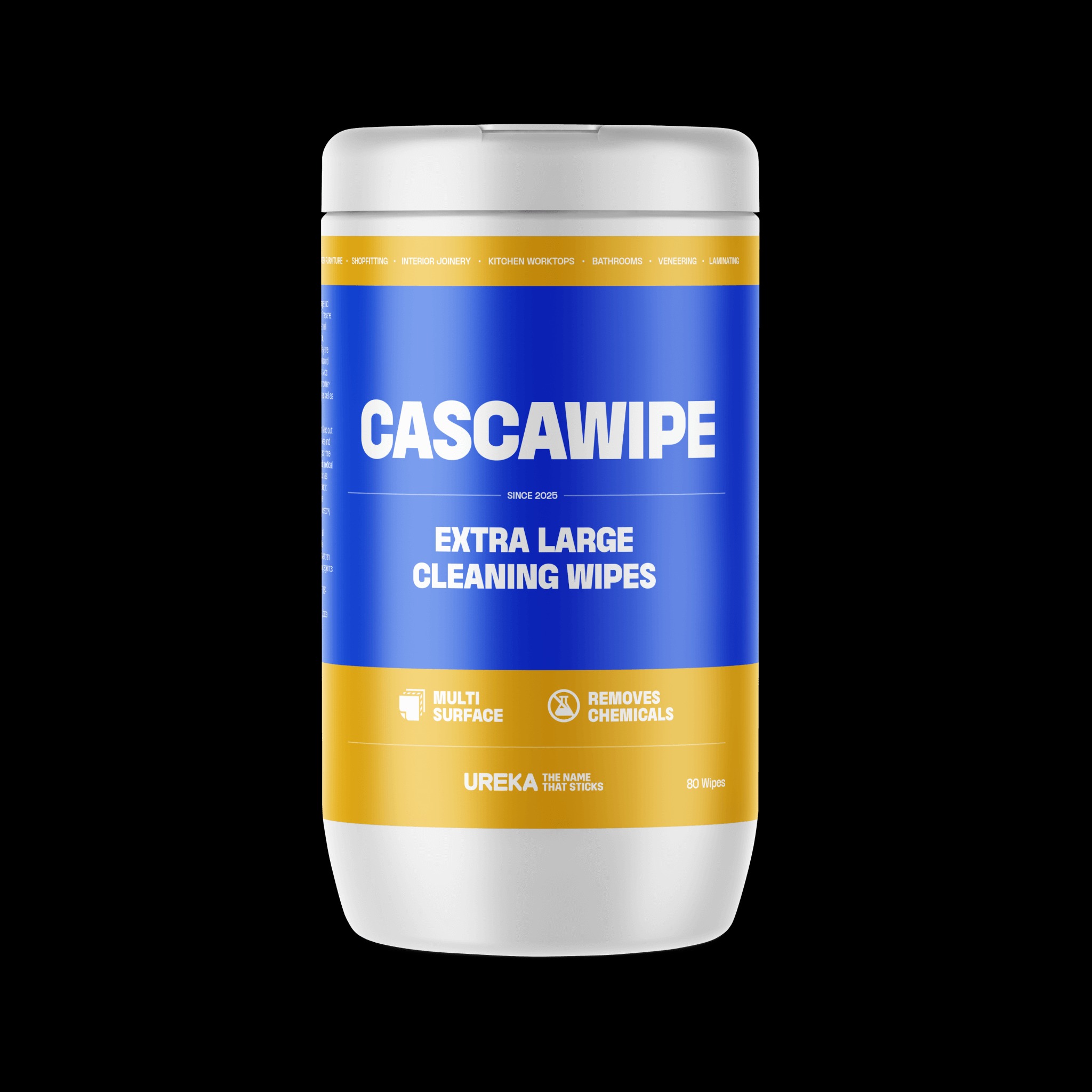
A reliable PVA glue is one of the most widely used adhesives in woodworking because it offers strong bonds, simple application, and excellent versatility. Whether you’re assembling furniture, repairing wooden items, building cabinets, or completing DIY projects, choosing the right wood glue helps ensure durable and professional-looking results. Understanding how PVA glue works and where it performs best can help you select the right adhesive for your next project.
What Is PVA Glue?
PVA (Polyvinyl Acetate) glue is a water-based adhesive designed primarily for bonding wood and other porous materials. It is valued for its ease of use, quick setting time, and ability to create strong joints without damaging the wood.
Quality PVA adhesives offer several advantages:
- Strong and reliable bonding
- Easy application
- Low odour
- Dries clear
- Easy clean-up with water before curing
These qualities make PVA glue a popular choice for both professional woodworkers and DIY enthusiasts.
Why Choose PVA Wood Glue?
A high-quality wood glue provides more than just a secure bond. It improves the overall durability of woodworking projects while making assembly quicker and easier.
Some key benefits include:
- Excellent bond strength
- Fast grab for quicker assembly
- Smooth glue lines
- Good water resistance for suitable applications
- Suitable for a wide range of woodworking tasks
Many modern PVA wood glues also meet recognised standards for water resistance, making them suitable for interior projects and selected exterior applications protected from continuous water exposure. Cascarez Liquid Resin Polymer Wood Glue, for example, meets BS EN 204 D3 requirements, bonds most woods in around 10 minutes, is ready to handle in about 30 minutes, and develops a bond stronger than the wood itself in less than two hours.
Common Applications for Wood Glue
PVA wood glue is suitable for many woodworking projects.
Typical uses include:
- Furniture assembly
- Cabinet making
- Door and window frames
- Shelving
- General joinery
- Kitchen installations
- DIY woodworking projects
Its versatility makes it one of the most commonly used adhesives in workshops and construction projects.
How to Get the Best Results with PVA Glue
Correct application helps maximize bond strength and durability.
Follow these simple steps:
- Ensure all surfaces are clean and dry.
- Apply an even layer of glue.
- Clamp the pieces together firmly.
- Remove excess glue before it dries.
- Allow the recommended curing time before applying heavy loads.
Proper preparation ensures a stronger and cleaner finish.
Features to Look for in a Quality Wood Glue
When choosing a PVA adhesive, consider the following:
Fast Setting Time
A fast-grab formula reduces clamping time and speeds up project completion.
Water Resistance
For projects exposed to occasional moisture, choose a wood glue that offers D3 water resistance or higher where appropriate.
Strong Bond
A quality adhesive should create joints capable of withstanding everyday use without weakening over time.
Easy Application
Products with smooth-flowing formulas and precision nozzles help reduce waste while improving application accuracy.
Tips for Long-Lasting Wood Joints
To improve the lifespan of glued joints:
- Use properly fitted joints.
- Apply consistent clamping pressure.
- Avoid moving the assembly during curing.
- Store glue in a cool, dry location.
- Follow the manufacturer’s instructions for application and curing.
These simple practices help produce stronger, more reliable woodworking projects.
Choosing the Right PVA Glue
Before purchasing, consider:
- Indoor or exterior application
- Required water resistance
- Assembly speed
- Project size
- Wood type
- Curing time
Selecting an adhesive that matches your project requirements improves both performance and durability.
Conclusion
Choosing the right PVA glue is essential for producing strong, reliable, and long-lasting woodworking projects. Whether you’re assembling furniture, repairing timber, or completing general joinery, a quality wood glue provides dependable bonding, easy application, and excellent durability. By selecting the right adhesive for your project and following proper application techniques, you can achieve professional-quality results with confidence.
5 FAQs
1. What is PVA glue used for?
PVA glue is commonly used for furniture assembly, cabinet making, joinery, wood repairs, and general DIY woodworking projects.
2. Is PVA glue waterproof?
Standard PVA glue is not fully waterproof, but some formulations meet BS EN 204 D3 water-resistance standards, making them suitable for applications exposed to occasional moisture but not continuous immersion.
3. How long does PVA wood glue take to dry?
Drying and curing times vary by product. Fast-grab formulations can bond most woods in around 10 minutes, be ready to handle in approximately 30 minutes, and achieve very high bond strength within a couple of hours.
4. Can PVA glue be used for outdoor projects?
Some D3-rated PVA wood glues are suitable for protected exterior woodworking, but they are generally not recommended for continuous immersion in water.
5. Does PVA glue dry clear?
Yes. Most quality PVA wood glues dry clear, creating clean glue lines that are suitable for visible woodworking joints.

FURTHER READING...

Why Should You Choose a Professional Wedding Photographer Brentwood?
September 21, 2026
Why Choose an Albany Dental Clinic for Your Dental Care?
September 19, 2026
What Makes Heaven Hotel a Comfortable Place to Stay?
September 19, 2026
What Industries Can Benefit From a Soft Robotic Gripper?
September 19, 2026
What Makes Reliable Commercial Cleaning Services in Calgary Stand Out?
September 19, 2026
What Should You Look for in a Stainless Steel Supplier in Singapore?
September 19, 2026
Exploring Alibarbar Vapes: A Guide for Modern Vape Enthusiasts
September 16, 2026
Kwalitatieve Lederwaren voor Zakelijke Klanten: De Voordelen van Groothandel
September 16, 2026

Discover a Comfortable Stay in Jounieh
September 16, 2026

Create Unforgettable Celebrations with a Professional Event Planner in Diu
September 16, 2026
Latest - post






CONTACT US
Category
- blog (416)
- Bookkeeping (5)
- Business (338)
- driving (5)
- Environment (5)
- Health (13)
- Home (74)
- Industrial Equipment (1)
- IT Security & Payment Solutions (1)
- Marketing (8)
- Medical (13)
- Relationship (4)
- Trade Show Displays (1)
- travel (16)
- Wedding Photography&Event (1)
