
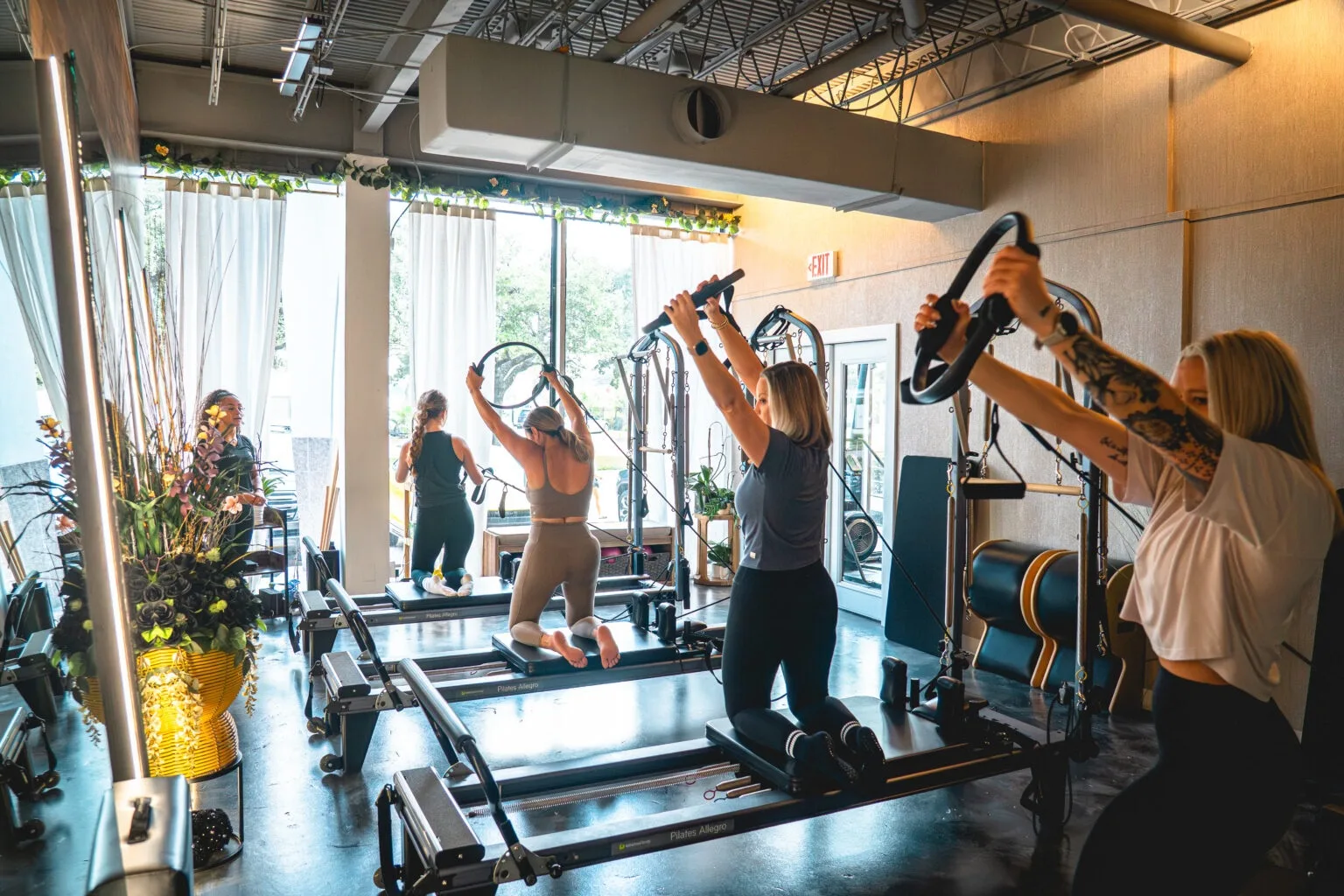
A Stretch Mobility class offers a focused approach to improving flexibility, joint movement, body awareness, and overall physical comfort. Unlike a traditional workout that mainly targets strength or cardiovascular fitness, mobility sessions encourage you to move through controlled ranges of motion while paying attention to alignment and breathing.
Whether you sit at a desk for long hours, exercise regularly, play sports, or simply want to move more comfortably, a structured mobility class can become a valuable part of your fitness routine. With guided instruction and purposeful movements, you can learn how to release stiffness and develop better control over your body.
What Happens When You Start a Stretch Mobility Class?
Most classes begin with gentle movements that prepare your body for deeper stretches. Your instructor may guide you through easy joint circles, controlled breathing, spinal movements, and light dynamic stretches.
This warm-up gradually increases movement without forcing your body into uncomfortable positions. You can expect the instructor to explain how each exercise works and how you should position your body.
The goal is not to see how far you can stretch. Instead, the session focuses on controlled, comfortable movement. You should communicate with your instructor if a movement feels painful or unusually uncomfortable.
How Does a Mobility Class Differ From Regular Stretching?
Traditional stretching often focuses on lengthening a specific muscle. Mobility training takes a broader approach by combining flexibility, strength, stability, and joint control.
For example, instead of simply holding a hamstring stretch, a mobility session may involve controlled leg movements that help you explore your available range of motion. You may also use your core and other supporting muscles to maintain proper positioning.
This active approach can make mobility training useful for people who want to move with greater control. It can also complement other forms of exercise, including Pilates, strength training, yoga, running, and recreational sports.
Which Areas of the Body Do You Work During Class?
A typical Stretch Mobility class can address several major areas of the body. Your instructor may focus on the:
- Neck and shoulders
- Upper back and spine
- Hips
- Hamstrings
- Quadriceps
- Ankles
- Wrists
- Chest
- Lower back
The exact exercises can vary depending on the class format and your instructor’s approach. Some sessions may emphasize hip and lower-body mobility, while others may focus more on the shoulders and spine.
Working with different areas helps create a balanced movement routine rather than concentrating on one muscle group.
Can Beginners Join a Stretch Mobility Class?
Yes. Mobility classes can suit beginners when instructors provide appropriate modifications and encourage participants to work within their comfortable range.
You do not need to be highly flexible before attending your first session. In fact, many people join because they want to improve limited flexibility or stiffness.
A qualified instructor can demonstrate easier and more advanced variations. Beginners should focus on learning the movement patterns rather than trying to match another participant’s range.
Consistency also matters more than forcing progress quickly. Regular practice can help you become more familiar with the movements and gradually improve your control.
How Can Breathing Improve Your Mobility Practice?
Breathing plays an important role in many mobility-focused sessions. Slow, controlled breathing can help you stay relaxed while performing challenging movements.
Your instructor may ask you to breathe steadily instead of holding your breath. Coordinating breathing with movement can also improve body awareness and help you concentrate on alignment.
Rather than rushing through each exercise, you learn to notice how your body responds. This mindful approach can make the session feel more purposeful and controlled.
What Equipment Might You Use During Class?
A mobility class may require little equipment. Many sessions use a mat and your own body weight as the primary tools.
Depending on the studio and class format, you might also use:
- Foam rollers
- Resistance bands
- Pilates balls
- Yoga blocks
- Small weights
- Mobility straps
Equipment can help you modify exercises, support certain positions, or add gentle resistance. Your instructor should explain how to use each item safely.
The emphasis remains on movement quality rather than the amount of equipment you use.
How Can Mobility Training Support Your Everyday Movement?
Mobility does not only matter inside a fitness studio. You use mobility whenever you bend, reach, rotate, walk, climb stairs, sit down, or stand up.
A regular mobility routine can help you become more aware of how you move during everyday activities. Improved movement control may also make certain exercises easier to perform with proper technique.
For people who spend much of the day sitting, mobility exercises can provide an opportunity to move the spine, hips, shoulders, and other areas that may remain in limited positions for extended periods.
However, mobility training should complement—not replace—appropriate medical care when you have an injury or persistent pain.
Why Should You Look at Houston Pilates Studios for Mobility Training?
Many Houston Pilates Studios incorporate movement principles that complement mobility work. Pilates emphasizes controlled movement, posture, breathing, core engagement, and body awareness, making it a natural companion to mobility-focused training.
When comparing Houston Pilates Studios, consider factors such as instructor qualifications, class size, exercise modifications, studio environment, and whether the class matches your current fitness level.
A supportive instructor can help you understand proper technique instead of simply asking you to stretch farther. This guidance can make a significant difference, particularly when you are new to mobility exercises.
What Should You Wear to a Stretch Mobility Class?
Choose comfortable clothing that allows you to move freely. Stretchy workout pants, fitted athletic clothing, or other flexible exercise wear can work well.
You should also consider clothing that allows your instructor to observe your alignment. Mobility classes often involve controlled movements through different positions, so restrictive clothing can make movement more difficult.
Most mat-based classes do not require bulky footwear, although you should follow the studio’s specific guidelines.
How Should You Feel After a Mobility Class?
After class, you may notice that certain movements feel easier or that your body feels more relaxed. Some participants also become more aware of areas that feel tight or restricted.
You should not expect severe soreness or pain from a properly guided mobility session. The objective is controlled movement, not pushing your body beyond its limits.
Drink water after your session and give your body time to recover. If you experience sharp pain, significant discomfort, or symptoms that persist, speak with an appropriate healthcare professional.
How Often Should You Attend Mobility Classes?
Your ideal schedule depends on your goals, current activity level, and overall routine. Some people benefit from incorporating mobility work several times per week, while others may use a weekly class as a structured complement to their primary workouts.
You can also practice simple mobility movements at home between classes. Your instructor may recommend exercises that fit your needs and current ability.
At Sigma Pilates, a movement-focused approach can help participants make mobility practice a consistent part of their fitness routine. Rather than treating flexibility as a competition, focus on gradual progress, proper technique, and comfortable movement.
Why Can a Stretch Mobility Class Be a Valuable Part of Your Fitness Routine?
A Stretch Mobility class gives you dedicated time to focus on movement quality, flexibility, joint control, and body awareness. It can complement strength training and other fitness activities while helping you pay closer attention to how your body moves.
You do not need to arrive with advanced flexibility or extensive fitness experience. Start at your current level, listen to your body, and allow your movement skills to develop gradually.
If you are exploring Houston Pilates Studios, look for a class environment that prioritizes knowledgeable instruction, controlled movements, individual modifications, and sustainable progress. Sigma Pilates can be part of that exploration for people seeking a structured movement experience.
Ultimately, mobility training works best when you approach it with patience. With regular practice and proper guidance, you can develop greater confidence in your movement and make mobility a lasting part of your wellness routine.

FURTHER READING...


Why Should You Consider Invisalign Near Me for Straighter Teeth?
August 20, 2026
How Does Athletic Pilates Houston TX Support Better Flexibility?
August 20, 2026

What Are the Benefits of Using a Hyperbaric Oxygen Chamber?
August 19, 2026

What Should You Look for in an Albany Dental Clinic?
August 17, 2026
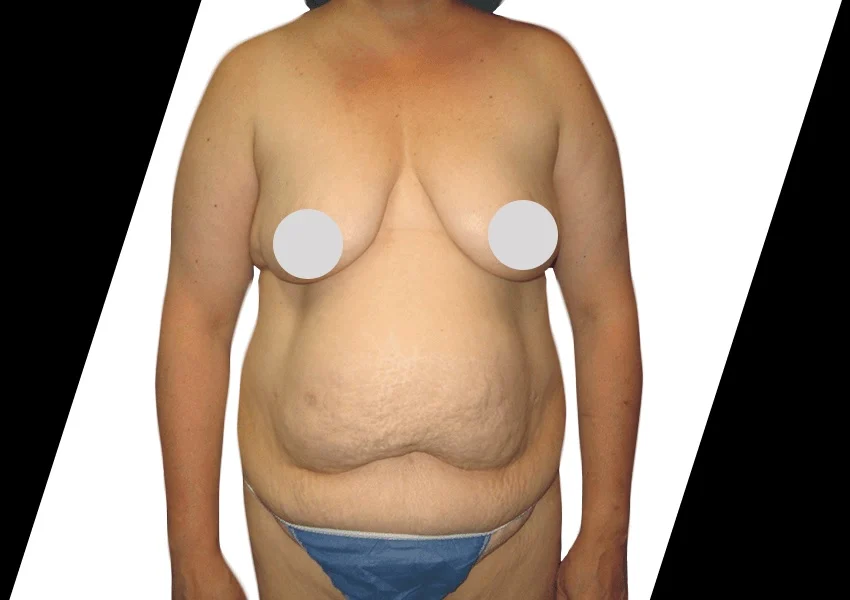
Why Choose a Houston Tummy Tuck for Abdominal Contouring?
August 17, 2026

Latest - post





CONTACT US
Category
- blog (403)
- Bookkeeping (5)
- Business (332)
- driving (5)
- Environment (5)
- Health (10)
- Home (74)
- Industrial Equipment (1)
- IT Security & Payment Solutions (1)
- Marketing (8)
- Medical (13)
- Relationship (4)
- Trade Show Displays (1)
- travel (16)
- Wedding Photography&Event (1)
