

Abdominal cancer is a broad term that describes cancer developing in different organs and tissues within the abdominal cavity. The abdomen contains several important organs that support digestion, metabolism, waste removal, and other essential body functions. Cancer can develop in any of these organs and may affect nearby tissues as the disease progresses.
Understanding the different Abdominal Cancer Types helps people recognise possible symptoms, understand risk factors, and seek medical advice at the right time. Increasing Colorectal Cancer Awareness also plays an important role in encouraging regular screenings and early diagnosis.
On Abdominal Cancer Day, healthcare professionals and awareness campaigns encourage people to learn about abdominal cancers and take preventive steps. Let’s explore which organs abdominal cancer can affect and why early detection matters.
What Is Abdominal Cancer and How Does It Develop?
Abdominal cancer develops when abnormal cells grow uncontrollably in an organ or tissue within the abdomen. These cells can form a tumour, damage surrounding tissues, and sometimes spread to other parts of the body.
The abdomen contains several organs, including the stomach, liver, pancreas, intestines, kidneys, gallbladder, and reproductive organs. Cancer can affect each of these organs in different ways.
Some abdominal cancers develop slowly, while others progress more aggressively. Genetic changes, lifestyle habits, infections, chronic inflammation, and environmental factors can increase the risk.
Doctors use physical examinations, blood tests, imaging scans, endoscopy, and biopsies to identify abdominal cancers and determine their stages.
Which Digestive Organs Can Develop Abdominal Cancer?
Several organs involved in digestion can develop cancer. These cancers may cause abdominal discomfort, digestive problems, unexplained weight loss, or changes in bowel habits.
1. Can Stomach Cancer Affect Your Digestive Health?
Stomach cancer, also called gastric cancer, develops in the lining of the stomach. It may begin in the cells that produce mucus and protect the stomach lining.
Common symptoms include:
- Persistent stomach pain or discomfort.
- Frequent indigestion or heartburn.
- Feeling full after eating small meals.
- Nausea and vomiting.
- Unexplained weight loss.
- Loss of appetite.
Certain infections, including Helicobacter pylori, smoking, and some dietary factors can increase the risk of stomach cancer. Doctors may recommend an upper gastrointestinal endoscopy and biopsy to confirm the diagnosis.
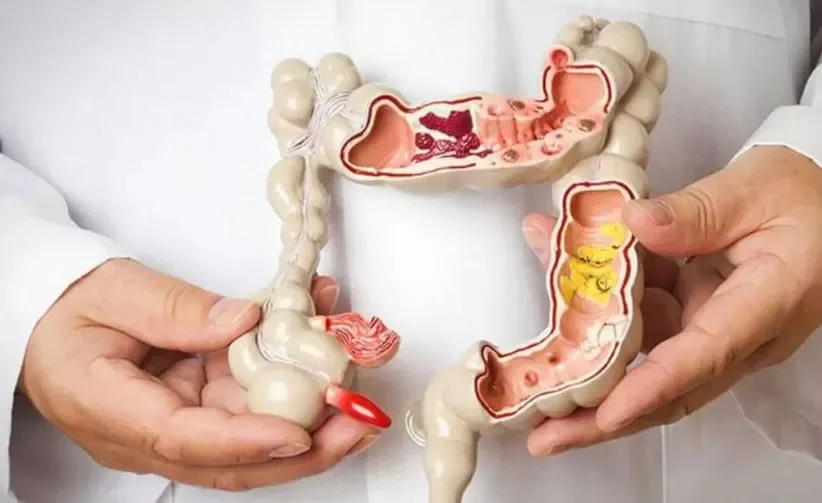
2. How Does Colorectal Cancer Affect the Large Intestine?
Colorectal cancer develops in the colon or rectum. It often begins as small growths called polyps, which may become cancerous over time.
This cancer can affect bowel movements and digestive health. Common warning signs include blood in the stool, persistent constipation, diarrhoea, abdominal cramps, and unexplained weight loss.
Colorectal Cancer Awareness encourages people to understand these symptoms and follow recommended screening schedules. Colonoscopy and stool-based screening tests can help doctors identify abnormalities before they develop into advanced cancer.
3. Why Is Liver Cancer a Serious Abdominal Condition?
The liver performs essential functions, including filtering blood, processing nutrients, and producing bile. Liver cancer develops when abnormal cells grow within liver tissue.
Hepatocellular carcinoma is the most common type of primary liver cancer. Chronic hepatitis B or C infection, cirrhosis, and certain metabolic conditions can increase the risk.
Possible symptoms include jaundice, abdominal swelling, pain on the upper right side, fatigue, and unexplained weight loss.
Doctors may use ultrasound, CT scans, MRI, and blood tests to evaluate liver abnormalities.
4. Can Pancreatic Cancer Affect Digestion and Blood Sugar?
The pancreas produces digestive enzymes and hormones such as insulin. Pancreatic cancer develops when abnormal cells grow in pancreatic tissue.
Early pancreatic cancer may not cause noticeable symptoms. As the disease progresses, patients may experience abdominal or back pain, jaundice, digestive problems, appetite loss, and unexplained weight loss.
Smoking, chronic pancreatitis, family history, and certain inherited genetic conditions can increase the risk.
Doctors may recommend imaging tests, endoscopic ultrasound, and tissue sampling to investigate suspected pancreatic cancer.
5. How Can Gallbladder Cancer Affect the Body?
The gallbladder stores bile, which helps the body digest fats. Gallbladder cancer develops when abnormal cells grow in its inner lining.
Many patients do not experience noticeable symptoms during the early stages. Later symptoms may include abdominal pain, nausea, jaundice, vomiting, and loss of appetite.
Gallstones and chronic inflammation of the gallbladder can increase the risk, although most people with gallstones do not develop cancer.
Which Other Abdominal Organs Can Develop Cancer?
Abdominal cancer does not only affect digestive organs. Other structures within the abdominal cavity can also develop malignant growths.
6. Can Kidney Cancer Develop Within the Abdomen?
The kidneys filter waste products from the blood and produce urine. Kidney cancer usually begins in the cells lining the small tubes inside the kidneys.
Common symptoms include blood in the urine, persistent pain in the side or back, fatigue, and unexplained weight loss.
Smoking, obesity, high blood pressure, and certain inherited conditions can increase the risk of kidney cancer.
Doctors commonly use ultrasound, CT scans, MRI, and other investigations to assess kidney abnormalities.
7. How Does Ovarian Cancer Affect Women’s Health?
Ovarian cancer develops in the ovaries, which produce eggs and reproductive hormones. It may spread to nearby abdominal organs and tissues.
Common symptoms include:
- Persistent abdominal bloating.
- Pelvic or abdominal pain.
- Difficulty eating or feeling full quickly.
- Frequent urination.
- Changes in bowel habits.
Because these symptoms can resemble common digestive problems, women should consult a healthcare professional when they experience persistent or unusual changes.
8. Can Peritoneal Cancer Affect the Abdominal Lining?
The peritoneum is a thin tissue layer that lines the abdominal cavity and covers many abdominal organs. Peritoneal cancer develops when malignant cells grow in this lining.
Primary peritoneal cancer begins in the peritoneum, while secondary peritoneal cancer develops when cancer spreads from another organ.
Symptoms may include abdominal swelling, pain, fluid accumulation, nausea, and changes in appetite.
Doctors may use imaging tests, fluid analysis, and biopsies to confirm the condition.
What Are the Common Warning Signs of Abdominal Cancer?
Different abdominal cancers produce different symptoms. However, some warning signs can appear across several cancer types.
Look out for the following changes:
- Persistent abdominal pain or swelling.
- Unexplained weight loss.
- Blood in stools or urine.
- Persistent nausea or vomiting.
- Changes in bowel habits.
- Difficulty swallowing.
- Loss of appetite.
- Unexplained fatigue.
- Yellowing of the skin or eyes.
These symptoms do not always indicate cancer. However, you should consult a doctor if they persist, worsen, or appear without an obvious explanation.
How Can Doctors Diagnose and Treat Abdominal Cancer?
Doctors select diagnostic tests according to the suspected organ, symptoms, and medical history. Early and accurate diagnosis helps them develop an appropriate treatment plan.
Common diagnostic methods include:
- Blood tests: Help assess organ function and identify certain tumour markers.
- Ultrasound: Produces images of abdominal organs.
- CT scans: Help identify tumours and evaluate their spread.
- MRI scans: Provide detailed images of internal tissues.
- Endoscopy and colonoscopy: Allow doctors to examine the digestive tract.
- Biopsy: Examines tissue samples to confirm cancer.
Treatment depends on the cancer type, stage, location, and patient’s overall health. Doctors may recommend surgery, chemotherapy, radiation therapy, targeted therapy, immunotherapy, or a combination of treatments.
Specialist surgeons may also perform complex procedures to remove tumours and affected tissues when appropriate.
How Can You Reduce Your Risk of Abdominal Cancer?
Although you cannot prevent every type of abdominal cancer, healthy lifestyle choices can help reduce certain risk factors.
Consider these practical steps:
- Eat a balanced diet containing fruits, vegetables, whole grains, and fibre.
- Maintain a healthy body weight.
- Exercise regularly and stay physically active.
- Avoid smoking and tobacco products.
- Limit alcohol consumption.
- Follow recommended cancer screening guidelines.
- Discuss family history and inherited cancer risks with your doctor.
- Seek medical advice for persistent digestive problems.
People with certain medical conditions or a family history of cancer may need specialised screening and monitoring.
Why Is Abdominal Cancer Awareness Important?
Abdominal cancer can affect several organs, and its symptoms may remain unnoticed during the early stages. Public awareness helps people understand possible warning signs, recognise risk factors, and seek timely medical attention.
Abdominal Cancer Day provides an opportunity to educate communities about different Abdominal Cancer Types, encourage healthy lifestyle choices, and promote regular medical check-ups.
Greater Colorectal Cancer Awareness also encourages people to participate in recommended screening programmes and understand the importance of early diagnosis.
Conclusion
Abdominal cancer can affect the stomach, colon, rectum, liver, pancreas, gallbladder, kidneys, ovaries, and peritoneum. Each cancer type presents different symptoms and requires an individualised diagnostic and treatment approach.
Understanding these conditions helps people make informed decisions about their health. Pay attention to unusual symptoms, follow recommended screening guidelines, and consult experienced healthcare professionals when necessary.
Through education and awareness on Abdominal Cancer Day, we can encourage early detection, promote timely treatment, and help more people understand the importance of abdominal cancer prevention and care.

FURTHER READING...
What Does an Esophageal and Gastric Cancer Surgeon Do?
November 4, 2026



Why Is Metabolic Testing Important for Your Health and Fitness?
November 3, 2026

Why Is Reforming Pilates Becoming Popular in Modern Fitness?
November 3, 2026

Which Ayurvedic Herbs Help Manage Excess Stomach Acid?
November 3, 2026

What Should You Look for When Choosing an Albany Dentist WA?
November 2, 2026

How Can Preventive Dental Cleaning Keep Your Teeth Healthy?
October 29, 2026

How Can Children’s Fitness Programs Improve Physical Health?
October 29, 2026

What Skills Do You Need to Become a Certified Hyperbaric Technician?
October 27, 2026
Latest - post



CONTACT US
Category
- blog (532)
- Bookkeeping (5)
- Business (519)
- driving (10)
- Environment (5)
- Health (66)
- Home (75)
- Industrial Equipment (1)
- IT Security & Payment Solutions (1)
- lawyer (1)
- Marketing (8)
- Medical (13)
- Panto sunglasses (1)
- Relationship (4)
- Trade Show Displays (1)
- travel (19)
- Wedding Photography&Event (1)
