
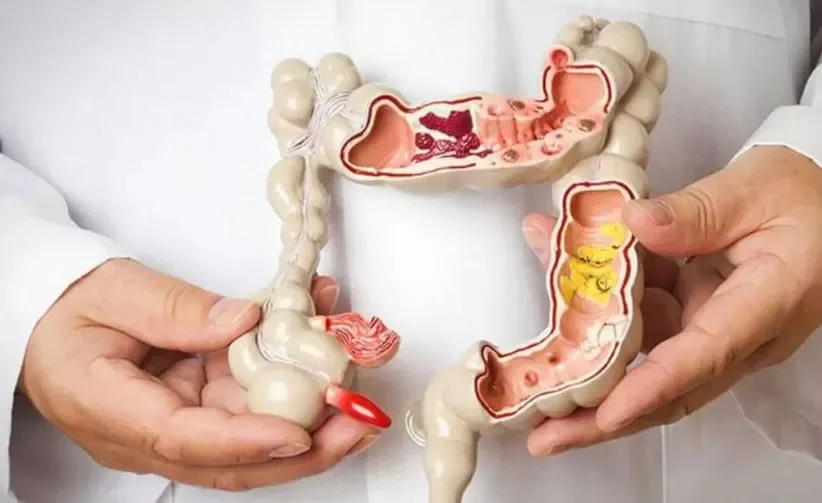
An Esophageal and Gastric Cancer Surgeon is a specialist who diagnoses and treats cancers affecting the oesophagus (food pipe) and stomach. These cancers can affect how a person eats, swallows, digests food, and maintains a healthy lifestyle. A specialist surgeon plays an important role in managing these conditions through surgery, advanced treatment techniques, and coordinated cancer care.
Esophageal cancer develops in the tube that carries food from the throat to the stomach, while gastric cancer begins in the stomach lining. Both conditions require careful evaluation and personalised treatment. The surgeon examines the patient’s condition, reviews diagnostic reports, determines the cancer stage, and recommends an appropriate treatment plan.
An experienced surgeon also works with medical oncologists, radiation oncologists, gastroenterologists, radiologists, and other healthcare professionals to provide comprehensive cancer treatment.
What Are the Main Responsibilities of an Esophageal and Gastric Cancer Surgeon?
An Esophageal and Gastric Cancer Surgeon handles several responsibilities throughout the cancer treatment journey. The surgeon focuses on removing cancerous tissues, managing complications, and helping patients recover.
Some important responsibilities include:
- Cancer diagnosis: Evaluating symptoms, medical history, endoscopy reports, and biopsy results.
- Cancer staging: Determining how far the cancer has spread and whether it affects nearby organs or lymph nodes.
- Surgical treatment: Removing cancerous sections of the oesophagus or stomach when surgery is appropriate.
- Treatment planning: Recommending surgery, chemotherapy, radiation therapy, or a combination of treatments.
- Post-surgical care: Monitoring recovery, managing discomfort, and addressing possible complications.
- Long-term monitoring: Checking for recurrence and helping patients maintain their health after treatment.
The surgeon also explains available treatment options so patients and their families can make informed decisions.
What Symptoms Require Consultation With a Cancer Surgeon?
Recognising early warning signs can help patients seek medical attention without unnecessary delays. Although these symptoms may occur because of conditions other than cancer, persistent problems require proper medical evaluation.
Common warning signs include:
- Difficulty or pain while swallowing.
- Persistent heartburn or acid reflux.
- Unexplained weight loss.
- Frequent indigestion or stomach discomfort.
- Loss of appetite.
- Nausea and vomiting.
- Feeling full after eating small amounts.
- Blood in vomit or black stools.
- Persistent abdominal pain.
Patients experiencing these symptoms should consult a qualified healthcare professional. Early investigation can help identify the underlying cause and improve the chances of timely treatment.
How Does an Esophageal and Gastric Cancer Surgeon Diagnose Cancer?
Accurate diagnosis helps surgeons understand the cancer’s location, size, and stage. They use different diagnostic procedures to evaluate the patient’s condition and select suitable treatment options.
Some commonly recommended investigations include:
- Upper Gastrointestinal Endoscopy
During an endoscopy, the doctor uses a thin, flexible tube with a camera to examine the oesophagus and stomach. This procedure helps identify abnormal growths, ulcers, and suspicious areas.
- Biopsy
A biopsy involves collecting a small tissue sample from the suspicious area. A pathologist examines the sample to determine whether cancer cells are present.
- CT Scan
A CT scan provides detailed images of internal organs and helps doctors assess whether cancer has spread to nearby structures.
- PET-CT Scan
A PET-CT scan can help identify areas of increased metabolic activity and evaluate possible cancer spread.
- Endoscopic Ultrasound
This investigation helps assess how deeply the cancer has grown into the surrounding tissue and whether nearby lymph nodes appear affected.
These investigations allow the surgical team to develop a treatment strategy based on the patient’s individual condition.
What Surgical Treatments Are Available for Esophageal and Gastric Cancer?
Surgery remains an important treatment option for selected patients with oesophageal and stomach cancer. The type of procedure depends on the tumour’s location, stage, size, and the patient’s overall health.
Common surgical procedures include:
Esophagectomy: This procedure removes part or most of the oesophagus affected by cancer. The surgeon may reconnect the remaining oesophagus to the stomach or use another suitable part of the digestive tract to restore food passage.
Gastrectomy: This surgery removes part or all of the stomach, depending on the cancer’s location and extent. Partial gastrectomy removes a section of the stomach, while total gastrectomy removes the entire stomach.
Lymph Node Dissection: Surgeons may remove nearby lymph nodes to assess cancer spread and improve cancer clearance.
Minimally Invasive Surgery: Depending on the patient’s condition and the tumour’s characteristics, surgeons may use laparoscopic or robotic-assisted techniques. These approaches involve smaller incisions and may support faster recovery in suitable cases.
Not every patient requires surgery. Some patients benefit more from chemotherapy, radiation therapy, or a combination of treatments.
What Is the Connection Between an Esophageal and Gastric Cancer Surgeon and an HPB Surgeon in India?
An HPB Surgeon in India specialises in treating diseases affecting the liver, pancreas, and biliary system. HPB stands for Hepato-Pancreato-Biliary, which refers to these important digestive organs.
Although oesophageal, gastric, liver, pancreatic, and biliary cancers affect different organs, they sometimes involve nearby structures or require coordinated surgical care.
An HPB Surgeon in India may manage cancers such as:
- Liver cancer.
- Pancreatic cancer.
- Gallbladder cancer.
- Bile duct cancer.
- Complex liver and pancreatic tumours.
Patients with advanced abdominal cancers may require a multidisciplinary team involving gastrointestinal cancer surgeons and HPB specialists. This collaborative approach helps doctors evaluate complex cases and recommend appropriate treatment strategies.
Choosing a surgeon with relevant experience in gastrointestinal cancer surgery can help patients understand their treatment options and receive coordinated medical care.
Why Is Choosing an Experienced Cancer Surgeon Important?
Cancer treatment requires careful planning, surgical expertise, and continuous monitoring. Choosing an experienced surgeon can help patients receive an appropriate treatment plan based on their diagnosis and overall health.
Here are some important factors to consider:
- Specialised experience: Look for a surgeon experienced in gastrointestinal and cancer surgery.
- Treatment approach: Choose a specialist who explains both surgical and non-surgical options.
- Advanced techniques: Ask about minimally invasive and other suitable surgical approaches.
- Multidisciplinary support: Comprehensive cancer care often requires collaboration between different specialists.
- Patient communication: A good surgeon explains the procedure, possible risks, recovery process, and expected outcomes.
- Follow-up care: Regular monitoring helps manage recovery and identify potential complications.
Patients should discuss the expected benefits, risks, alternatives, and long-term lifestyle changes before proceeding with surgery.
How Can Patients Prepare for Cancer Surgery and Recovery?
Preparing for cancer surgery involves more than completing medical investigations. Patients should follow their healthcare team’s instructions and maintain their overall health as much as possible.
Before surgery, doctors may recommend blood tests, nutritional assessments, heart and lung evaluations, and imaging investigations. Patients should share their complete medication history and inform the medical team about existing health conditions.
After surgery, recovery depends on the procedure, the patient’s health, and the treatment plan. Patients may need temporary dietary adjustments, nutritional support, breathing exercises, and gradual physical activity.
Following medical advice, attending follow-up appointments, and reporting unusual symptoms can support a safer recovery.
Why Should You Consult Dr. Sundeep Jain for Gastrointestinal Cancer Treatment?
Selecting the right specialist is an important step when dealing with oesophageal or gastric cancer. Patients should look for a surgeon who understands complex gastrointestinal conditions and provides clear guidance throughout diagnosis, treatment, and recovery.
Dr. Sundeep Jain can be considered when exploring specialist gastrointestinal cancer care. Before choosing a surgeon, patients should review their qualifications, clinical experience, areas of specialisation, and treatment approach.
A detailed consultation helps patients understand their diagnosis, available procedures, surgical risks, and expected recovery requirements. Dr. Sundeep Jain emphasises the importance of informed treatment decisions and appropriate specialist care.
How Can the Right Surgical Care Improve Cancer Treatment?
Oesophageal and gastric cancers require timely diagnosis, accurate staging, and carefully planned treatment. An experienced Esophageal and Gastric Cancer Surgeon evaluates each patient’s condition and recommends suitable medical or surgical options.
Whether patients need an oesophagectomy, gastrectomy, minimally invasive surgery, or combined cancer treatment, personalised care plays an important role in the treatment journey.
Consulting a qualified gastrointestinal cancer specialist or an HPB Surgeon in India, when relevant, can help patients access comprehensive care, understand their options, and take informed steps towards better health.

FURTHER READING...

Which Organs Can Be Affected by Abdominal Cancer?
November 4, 2026



Why Is Metabolic Testing Important for Your Health and Fitness?
November 3, 2026

Why Is Reforming Pilates Becoming Popular in Modern Fitness?
November 3, 2026

Which Ayurvedic Herbs Help Manage Excess Stomach Acid?
November 3, 2026

What Should You Look for When Choosing an Albany Dentist WA?
November 2, 2026

How Can Preventive Dental Cleaning Keep Your Teeth Healthy?
October 29, 2026

How Can Children’s Fitness Programs Improve Physical Health?
October 29, 2026

What Skills Do You Need to Become a Certified Hyperbaric Technician?
October 27, 2026
Latest - post



CONTACT US
Category
- blog (532)
- Bookkeeping (5)
- Business (518)
- driving (10)
- Environment (5)
- Health (66)
- Home (75)
- Industrial Equipment (1)
- IT Security & Payment Solutions (1)
- lawyer (1)
- Marketing (8)
- Medical (13)
- Panto sunglasses (1)
- Relationship (4)
- Trade Show Displays (1)
- travel (19)
- Wedding Photography&Event (1)
