
How Can a Commercial Hyperbaric Chamber Support Clinical Services?
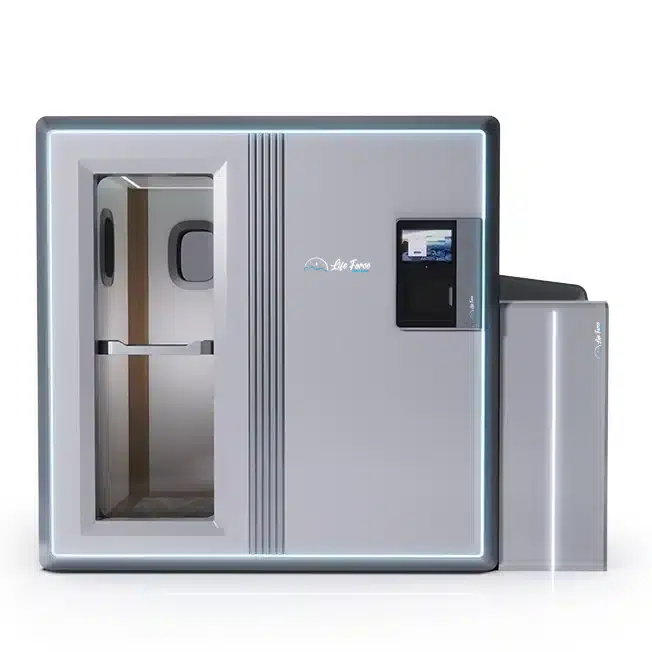
A commercial hyperbaric chamber is a specialized medical system designed to deliver hyperbaric oxygen therapy (HBOT) in a controlled clinical environment. The chamber allows patients to breathe oxygen while exposed to pressure greater than normal atmospheric pressure. This process increases the amount of oxygen available to the body’s tissues.
Healthcare facilities can use commercial systems to support structured treatment programs, provided they follow applicable medical regulations, equipment requirements, and professional supervision standards. Unlike basic personal-use systems, commercial chambers are generally designed with clinical workflows, patient monitoring, safety features, and operational needs in mind.
For clinics considering HBOT services, choosing an appropriate hyperbaric chamber requires careful evaluation of treatment capacity, chamber configuration, monitoring capabilities, maintenance requirements, and staff training.
How Can a Hyperbaric Chamber Expand Clinical Services?
Adding a hyperbaric chamber can allow a healthcare facility to develop or expand an HBOT service line. Depending on local regulations and clinical protocols, HBOT may be used for specific medical conditions where increased tissue oxygenation forms part of an established treatment plan.
A commercial system can support scheduled patient sessions and help clinics organize treatments efficiently. Facilities may integrate HBOT into wound-care programs, hospital services, rehabilitation settings, or specialized medical centers.
The chamber itself does not replace diagnosis or conventional treatment. Instead, qualified healthcare professionals can use HBOT as part of an appropriate clinical plan when evidence and accepted medical indications support its use.
Why Is Capacity Important for Commercial HBOT Services?
Capacity directly affects how a clinic manages its treatment schedule. A commercial hyperbaric chamber can be selected according to the expected number of patients, available floor space, staffing model, and treatment requirements.
Some facilities may need a single-patient chamber, while larger centers may consider systems designed for multiple occupants. A multiplace configuration can potentially accommodate more than one patient during a session, depending on the equipment design and operating protocols.
Before purchasing equipment, administrators should estimate:
- Expected patient volume
- Average treatment-session duration
- Number of operating hours per day
- Available clinical space
- Staffing requirements
- Patient monitoring needs
- Cleaning and maintenance procedures
This assessment helps a facility select equipment that matches its actual clinical workflow rather than simply choosing the largest available system.
What Safety Features Should Clinics Consider?
Safety should remain a central consideration when selecting a commercial hyperbaric chamber. Hyperbaric environments involve increased pressure and oxygen concentrations, so facilities need equipment designed for controlled operation.
Important features can include pressure controls, oxygen monitoring, communication systems, emergency procedures, appropriate fire-safety measures, patient monitoring equipment, and reliable chamber controls.
The exact requirements depend on the chamber type, applicable regulations, facility design, and intended clinical use. Clinics should work with qualified professionals to establish appropriate operating procedures and emergency protocols.
Staff should also understand patient screening, contraindications, chamber operation, emergency response, and infection-control procedures. Proper training helps create a consistent and controlled treatment environment.
How Does Patient Monitoring Improve Clinical Care?
Patient monitoring plays an important role in professional HBOT services. A clinical hyperbaric chamber should fit into a broader monitoring system that allows trained staff to observe patients before, during, and after treatment.
Depending on the treatment protocol and patient condition, clinicians may monitor vital signs, oxygen-related parameters, comfort levels, and other relevant clinical factors.
Clear communication between the patient and chamber operator also matters. Patients may experience pressure changes during compression and decompression, so trained staff should guide them through the process and respond to concerns when necessary.
Good monitoring practices can also help staff identify situations that require treatment adjustments or additional medical assessment.
Can a Commercial Hyperbaric Chamber Improve Workflow?
A well-planned commercial HBOT installation can support an organized clinical workflow. The facility should consider the entire patient journey rather than focusing only on the chamber.
A typical workflow may include patient assessment, medical screening, preparation, chamber entry, treatment, decompression, post-treatment observation, and documentation.
The chamber room should provide sufficient space for safe access and staff movement. Equipment placement should also support cleaning, maintenance, emergency access, and patient privacy.
When the physical layout matches the clinical workflow, staff can manage appointments and treatment sessions more efficiently.
What Role Does Staff Training Play in HBOT Services?
Technology alone cannot create a successful hyperbaric service. Trained personnel play a major role in safe and effective operation.
Staff may need education in hyperbaric principles, patient preparation, chamber operation, safety procedures, emergency protocols, equipment checks, and documentation. The specific qualifications required will depend on local regulations, facility policies, professional roles, and the type of chamber being operated.
Clinical staff should also understand when a patient requires medical review before treatment. Consistent procedures help reduce avoidable operational errors and support a more structured treatment environment.
Facilities should therefore consider training requirements as part of the overall investment instead of treating training as an afterthought.
How Can Clinics Plan the Cost of a Commercial Hyperbaric Chamber?
The purchase price represents only one part of the total investment. Clinics should evaluate the complete cost of establishing and operating an HBOT service.
Expenses may include:
- Chamber purchase and installation
- Facility modifications
- Electrical and ventilation requirements
- Safety systems
- Monitoring equipment
- Staff training
- Maintenance
- Replacement components
- Regulatory or inspection requirements
- Cleaning and infection-control supplies
A detailed budget helps healthcare organizations understand the long-term financial commitment. Facilities should also request technical documentation, warranty information, maintenance requirements, and service support details before making a purchasing decision.
What Maintenance Does a Hyperbaric Chamber Require?
Regular maintenance helps keep a commercial system operating according to manufacturer specifications. Healthcare facilities should follow the manufacturer’s inspection and maintenance schedule and maintain appropriate service records.
Routine checks may involve chamber components, pressure systems, communication equipment, monitoring systems, seals, oxygen-delivery components, and other safety-related systems.
Qualified technicians should handle specialized maintenance and repairs when required. A reliable service arrangement can reduce operational interruptions and help the facility maintain consistent clinical availability.
How Can a Commercial Chamber Support Patient-Centered Care?
Patient experience remains important even in highly technical medical environments. Staff should explain the treatment process clearly and help patients understand what to expect before entering the chamber.
Some patients may feel anxious about enclosed spaces or unfamiliar pressure sensations. Clear communication, appropriate preparation, and continuous access to trained staff can make the experience more comfortable.
Facilities can also design their HBOT areas around privacy, accessibility, cleanliness, and ease of movement. These considerations contribute to a professional clinical environment.
For organizations developing an HBOT program, Atlanta Hyperbaric Center represents the type of specialized setting where hyperbaric services can become part of a broader approach to patient care.
What Should Clinics Consider Before Buying a Hyperbaric Chamber?
Healthcare organizations should assess their clinical objectives before selecting equipment. The right system depends on patient population, treatment volume, available space, staffing, regulatory requirements, and long-term service plans.
Clinics should compare chamber specifications, safety features, monitoring capabilities, manufacturer support, maintenance requirements, training resources, and installation needs.
They should also confirm that the equipment is appropriate for the intended medical use and complies with relevant standards and regulations.
A commercial HBOT program works best when equipment, personnel, clinical protocols, facility design, and patient management operate together. Atlanta Hyperbaric Center can serve as a useful example of how specialized hyperbaric services can fit within a professional healthcare setting.
How Can a Commercial Hyperbaric Chamber Strengthen Clinical Services?
A commercial hyperbaric chamber can provide healthcare organizations with the infrastructure needed to establish or expand professional HBOT services. By combining appropriate equipment with trained personnel, careful patient selection, monitoring, safety procedures, and regular maintenance, clinics can create a structured environment for hyperbaric treatment.
The most important step is to evaluate the complete clinical operation rather than focusing solely on the chamber itself. A thoughtful approach helps healthcare providers select equipment that fits their patient needs, facility capabilities, and operational goals while maintaining appropriate safety and professional standards.

FURTHER READING...
What Should You Consider Before Buying a Hyperbaric Oxygen Chamber for Sale?
September 23, 2026
Why Should You Consider Hyperbaric Medicine Training?
September 23, 2026

Why Choose Invisalign Aventura for Straighter Teeth?
September 22, 2026

How Can Core Pilates Houston Strengthen Your Core Muscles?
September 22, 2026

How Can Ayurvedic Treatment for Back Pain Provide Natural Relief?
September 21, 2026

How Can You Choose the Right Dentists Offices for Your Needs?
September 19, 2026

What Benefits Can You Expect From a Lower Facelift in Houston?
September 19, 2026

What Can You Expect During a Stretch Mobility Class?
September 16, 2026


Latest - post



CONTACT US
Category
- blog (417)
- Bookkeeping (5)
- Business (354)
- driving (5)
- Environment (5)
- Health (18)
- Home (74)
- Industrial Equipment (1)
- IT Security & Payment Solutions (1)
- Marketing (8)
- Medical (13)
- Panto sunglasses (1)
- Relationship (4)
- Trade Show Displays (1)
- travel (16)
- Wedding Photography&Event (1)
