
How Can Ayurvedic Treatment for Back Pain Provide Natural Relief?

Back pain can affect your movement, sleep, work, and overall quality of life. While many people rely on pain medication for temporary comfort, others look for natural approaches that support long-term wellbeing. Ayurvedic treatment for back pain offers a holistic approach that focuses on the individual rather than treating discomfort as an isolated symptom.
Ayurveda is a traditional system of wellness that considers factors such as lifestyle, diet, physical activity, stress, and daily routines. Ayurvedic practitioners may use therapies such as massage, herbal preparations, gentle movement, heat-based treatments, and lifestyle recommendations as part of an individualised plan.
The goal is not simply to reduce discomfort. A well-planned Ayurvedic approach aims to support mobility, relaxation, and healthy daily habits while addressing factors that may contribute to recurring back discomfort.
Why Does Back Pain Develop?
Back pain can have many causes. Poor posture, prolonged sitting, repetitive movements, muscle tension, physical strain, and insufficient movement can all contribute to discomfort. Some people also experience back pain after sports activities, lifting heavy objects, or spending long hours at a desk.
Certain medical conditions can also cause back pain. For this reason, you should not assume that every type of back pain requires the same treatment.
Ayurveda looks at your overall lifestyle and physical condition before recommending therapies. This personalised approach can help create a routine that complements your everyday needs.
How Can Ayurveda Support Natural Back Pain Relief?
Ayurvedic treatment for back pain may combine several traditional therapies rather than relying on one technique. A practitioner may consider your symptoms, lifestyle, activity levels, and general wellbeing when developing a treatment plan.
Ayurvedic massage, for example, can promote relaxation and may help ease muscle tension. Warm oil therapies are also traditionally used to encourage relaxation and comfort. Gentle stretching and movement can support flexibility when they are appropriate for your condition.
Lifestyle guidance can form another important part of the process. Your practitioner may discuss posture, sleep habits, physical activity, stress management, and dietary routines.
This holistic approach encourages you to become more aware of the daily factors that can influence your physical comfort.
Can Ayurvedic Massage Help With Back Discomfort?
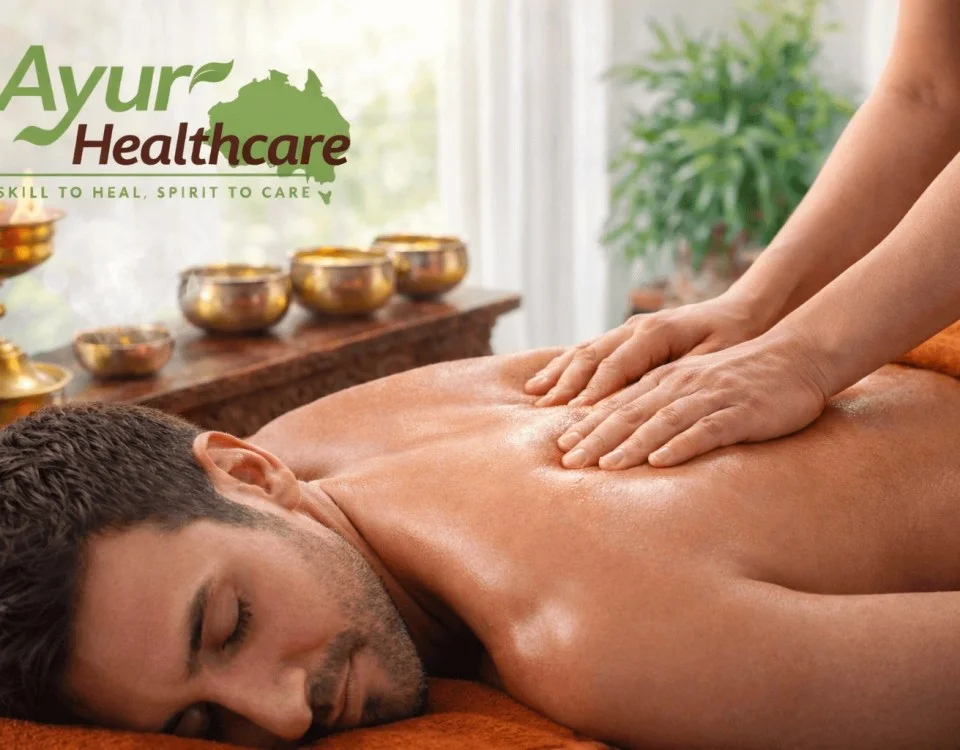
Massage is one of the commonly recognised components of traditional Ayurvedic care. Practitioners may use warm herbal oils and specific massage techniques according to an individual’s needs.
Massage can feel soothing when muscles become tense after prolonged sitting or physical activity. It may also encourage relaxation, which can be valuable when stress contributes to muscle tightness.
However, massage is not suitable for every cause of back pain. If you have severe or unexplained symptoms, you should seek an appropriate medical assessment before starting massage therapy.
What Role Does Lifestyle Play in Ayurvedic Care?
Ayurveda places considerable emphasis on daily routines. Your habits can influence how your body feels throughout the day, especially when you spend many hours sitting, working at a computer, driving, or performing repetitive tasks.
Simple lifestyle changes may support a healthier back. These can include:
- Taking regular breaks from prolonged sitting
- Maintaining comfortable working posture
- Including appropriate physical activity
- Practising gentle stretching
- Getting adequate rest
- Managing everyday stress
- Following a balanced diet
- Avoiding unnecessary physical strain
These habits can complement professional care and encourage better awareness of your body’s needs.
How Does Ayurveda Sydney Support Holistic Wellness?
People looking for Ayurveda Sydney services often want a holistic approach that considers more than a single symptom. Ayurvedic practitioners may discuss your daily routine, diet, physical activity, stress, and other lifestyle factors before recommending suitable therapies.
The advantage of this approach lies in its personalised nature. Instead of applying exactly the same routine to everyone, practitioners can adapt recommendations according to individual circumstances.
If you are considering Ayurvedic care for back discomfort, choose a qualified practitioner who can assess your needs and explain which therapies may be appropriate.
Can Ayurvedic Therapies Complement Modern Care?
Ayurvedic therapies do not have to replace conventional healthcare. Depending on the cause and severity of your symptoms, you may benefit from combining appropriate complementary practices with advice from your doctor, physiotherapist, or other qualified healthcare professional.
For example, an individual may use gentle movement and relaxation practices alongside a professionally recommended exercise programme. Communication between healthcare providers can help ensure that different approaches remain appropriate and safe.
You should also tell your healthcare professional about any herbal products you use. Natural does not automatically mean risk-free, and some herbal preparations can interact with medicines or may not be suitable for certain people.
Why Is Personalised Treatment Important?
Every person’s back pain can be different. One person may experience discomfort after sitting for several hours, while another may develop symptoms following physical exertion. Because causes and contributing factors vary, a personalised approach can be more appropriate than a one-size-fits-all routine.
A practitioner may consider your lifestyle, symptoms, physical activity, sleep pattern, and general wellbeing when suggesting an Ayurvedic programme.
At Ayur Healthcare Parramatta, clients can explore traditional Ayurvedic approaches as part of a broader focus on wellbeing. A professional consultation can help identify suitable therapies and lifestyle recommendations based on individual circumstances.
What Can You Expect During an Ayurvedic Consultation?
An Ayurvedic consultation generally begins with a discussion about your concerns and daily routine. The practitioner may ask about your back discomfort, lifestyle, diet, sleep, activity levels, and other relevant factors.
Based on this information, the practitioner may recommend a combination of traditional therapies and lifestyle practices. Your plan may include massage, warm oil treatments, gentle movement, relaxation techniques, dietary guidance, or other Ayurvedic practices.
A good consultation should also explain what the treatment involves and when you should seek conventional medical care.
When Should You Seek Medical Attention for Back Pain?
Natural therapies can support general wellbeing, but they should not delay medical assessment when warning signs appear. Seek prompt medical attention if back pain follows a serious injury or occurs with symptoms such as significant weakness, numbness, loss of bladder or bowel control, unexplained weight loss, fever, or severe and worsening pain.
Persistent back pain also deserves professional evaluation, particularly when it interferes with normal activities or does not improve.
A qualified healthcare professional can help determine the underlying cause and recommend appropriate treatment.
How Can You Build a Healthier Back Routine?
You can support your back by combining professional guidance with practical everyday habits. Start by paying attention to your posture and avoid remaining in one position for extended periods. Take short movement breaks throughout your working day.
Choose physical activities that suit your fitness level and current condition. If you already experience back pain, consult a qualified healthcare professional before starting a new exercise routine.
Stress management can also contribute to overall relaxation. Breathing exercises, meditation, adequate sleep, and enjoyable low-impact activities may help you maintain a balanced routine.
Ayurvedic care can complement these habits by encouraging greater attention to your lifestyle and overall wellbeing.
Could Ayurvedic Treatment Be Part of Your Wellness Plan?
Ayurvedic treatment for back pain provides a traditional, holistic framework that may help support relaxation, mobility, and healthier lifestyle habits. Through personalised therapies, massage, lifestyle guidance, and appropriate movement, Ayurveda can become part of a broader approach to managing everyday back discomfort.
If you are exploring Ayurveda Sydney services, consider speaking with a qualified practitioner about your individual needs. Rather than relying on a single remedy, focus on a balanced approach that includes professional assessment, appropriate movement, healthy daily habits, and safe complementary care.
For those exploring traditional Ayurvedic wellness in the Parramatta area, Ayur Healthcare Parramatta can be considered as part of your search for personalised Ayurvedic services. Always discuss persistent, severe, or unusual back pain with an appropriate healthcare professional before beginning a new treatment programme.

FURTHER READING...


What Are the Early Warning Signs of Gallbladder Cancer?
October 7, 2026

Why Should You Choose Professional Hyperbaric Coaching Classes?
October 7, 2026
Is Hyperbaric Oxygen Chamber Therapy Right for You?
October 7, 2026

What Are the Best Braces Options in Miami?
October 6, 2026

How Can Stretching Classes Houston Improve Your Flexibility?
October 5, 2026

How Can a Dental Clinic in Albany Improve Your Oral Health?
October 5, 2026


What Should You Look for in a Trusted Hollywood Orthodontist?
September 29, 2026
Latest - post






CONTACT US
Category
- blog (478)
- Bookkeeping (5)
- Business (401)
- driving (5)
- Environment (5)
- Health (29)
- Home (74)
- Industrial Equipment (1)
- IT Security & Payment Solutions (1)
- lawyer (1)
- Marketing (8)
- Medical (13)
- Panto sunglasses (1)
- Relationship (4)
- Trade Show Displays (1)
- travel (18)
- Wedding Photography&Event (1)
