
Is a Hyperbaric Certification Course Suitable for Healthcare Professionals?

A hyperbaric certification course is designed to help healthcare professionals understand the principles, procedures, safety requirements, and clinical applications associated with hyperbaric oxygen therapy (HBOT). These courses can provide structured education for professionals who want to work in hyperbaric medicine or support patients receiving oxygen therapy inside a pressurized chamber.
Hyperbaric environments require specialized knowledge because professionals must understand pressure changes, oxygen exposure, chamber operations, patient monitoring, and emergency procedures. A well-designed course can help learners build this knowledge in a systematic way.
The exact curriculum, credential, and eligibility requirements can vary between training providers and professional roles. Therefore, healthcare professionals should review course requirements carefully before enrolling.
Who Can Benefit From Hyperbaric Training?
Healthcare professionals from several backgrounds may find hyperbaric education relevant to their careers. Physicians, nurses, respiratory therapists, emergency medical professionals, and other clinical or technical personnel may work in environments where hyperbaric procedures are performed.
The value of training depends on the individual’s current role and responsibilities. For example, a healthcare professional who assists with patient preparation may need different training from a technician who operates or maintains hyperbaric equipment.
Professionals should therefore select education that matches their intended responsibilities rather than choosing a course based only on its title.
Why Is Hyperbaric Knowledge Important in Healthcare?
Hyperbaric therapy involves placing a patient in an environment where atmospheric pressure increases while the patient breathes oxygen at a prescribed concentration. This process requires careful attention to patient condition, equipment operation, pressure changes, and safety procedures.
Healthcare professionals who understand these fundamentals can communicate more effectively with hyperbaric teams and follow established protocols more confidently. Training can also introduce important concepts such as pressure-related effects, oxygen exposure, patient monitoring, chamber preparation, and emergency response.
For professionals entering this field, formal education can provide a foundation that is difficult to obtain through informal learning alone.
What Does Hyperbaric Oxygen Certification Usually Cover?
A hyperbaric oxygen certification program may cover both theoretical and practical subjects. The exact content depends on the provider and credential, but common topics can include:
- Fundamentals of hyperbaric oxygen therapy
- Hyperbaric chamber components and operation
- Pressure and gas laws
- Oxygen safety
- Patient preparation
- Monitoring during treatment
- Potential complications and adverse events
- Emergency procedures
- Infection-control considerations
- Communication and documentation
- Basic chamber maintenance and safety procedures
Some programs may also include assessments, practical instruction, case discussions, or supervised experience.
Professionals should confirm whether a particular certificate represents continuing education, professional training, or a credential recognized by their employer or relevant professional organization.
Can Healthcare Professionals Study Hyperbaric Certification Online?
Online learning can provide flexibility for healthcare professionals who already have demanding schedules. An online hyperbaric certification course may allow learners to study theoretical concepts at convenient times and review educational material from different locations.
However, online education may not replace practical training when hands-on experience is required for a particular job or credential. Professionals should check whether their intended employer or regulatory organization requires supervised clinical or equipment-based experience.
A blended program that combines online theory with practical training may be appropriate for learners who need both flexibility and hands-on education.
How Can Certification Support Career Development?
Specialized training can help healthcare professionals develop knowledge in an area that requires additional technical and clinical understanding. Hyperbaric medicine combines healthcare, patient safety, equipment operation, and environmental physiology, creating opportunities for professionals interested in specialized healthcare settings.
Certification alone does not guarantee employment or advancement. Employers may consider education alongside previous clinical experience, professional licensing, technical skills, communication abilities, and workplace requirements.
Professionals can use training as one part of a broader career-development strategy.
What Safety Skills Should Healthcare Professionals Learn?
Safety should remain a central component of hyperbaric education. Hyperbaric chambers involve elevated pressure and oxygen-rich environments, so healthcare teams must follow established safety procedures carefully.
Training may address fire prevention, equipment checks, oxygen handling, patient screening, communication protocols, and emergency procedures. Professionals may also learn how to recognize situations that require treatment interruption or additional medical attention.
Understanding these principles helps create a disciplined approach to chamber-based care. Healthcare professionals should always follow the protocols established by their facility and qualified medical leadership.
How Should You Choose the Right Hyperbaric Certification Course?
Before enrolling, healthcare professionals should evaluate several factors. Start by checking the course provider’s credentials, curriculum, instructor qualifications, assessment process, and practical-training options.
It is also important to determine whether the program fits your existing professional background. Ask whether the course is intended for physicians, nurses, technicians, or other healthcare workers. Review the prerequisites and determine whether the certificate aligns with your career goals.
Consider the following questions:
- Does the course provide structured hyperbaric education?
- Who teaches the program?
- Does it include practical or supervised training?
- What topics does the curriculum cover?
- Is an examination included?
- What certificate does the learner receive?
- Will the training meet your employer’s requirements?
- Does the program offer continuing education opportunities?
These questions can help professionals make an informed educational decision.
What Role Does Practical Experience Play?
Practical experience can be particularly valuable because hyperbaric work involves equipment, patient interaction, safety procedures, and real-world decision-making. Classroom knowledge can explain how a chamber works, but practical exposure can help professionals understand how established procedures operate in a clinical environment.
For this reason, healthcare professionals should consider programs that clearly explain their hands-on components. If practical training is not included, learners should determine whether they can obtain supervised experience through their employer or another approved setting.
How Can Hyperbaric Business Solutions Help With Professional Learning?
Professionals interested in specialized hyperbaric education can explore training resources that focus on practical knowledge, safety, and professional development. Hyperbaric Business Solutions can serve as a resource for individuals researching hyperbaric education and understanding the skills associated with this specialized field.
The right educational pathway depends on a professional’s current qualifications, career objectives, employer requirements, and desired responsibilities. Taking time to compare these factors can make the learning process more purposeful.
Is a Hyperbaric Certification Course the Right Next Step?
A hyperbaric certification course can be suitable for healthcare professionals who want to develop specialized knowledge related to hyperbaric oxygen therapy. It may provide structured education in chamber operations, patient care, oxygen safety, monitoring, and emergency procedures.
However, the most appropriate course depends on the learner’s professional role and career objectives. Before enrolling, healthcare professionals should verify prerequisites, practical requirements, credential recognition, and employer expectations.
For professionals seeking to expand their knowledge of this specialized healthcare field, Hyperbaric Business Solutions can be considered alongside other reputable educational resources. With the right training, healthcare workers can build a stronger understanding of hyperbaric procedures while continuing to prioritize patient safety and professional standards.

FURTHER READING...

What Should You Look for in a Trusted Hollywood Orthodontist?
September 29, 2026

What Should You Look for in Stretch Classes Houston?
September 29, 2026

What Should You Consider Before Buying a Hyperbaric Oxygen Chamber for Sale?
September 23, 2026
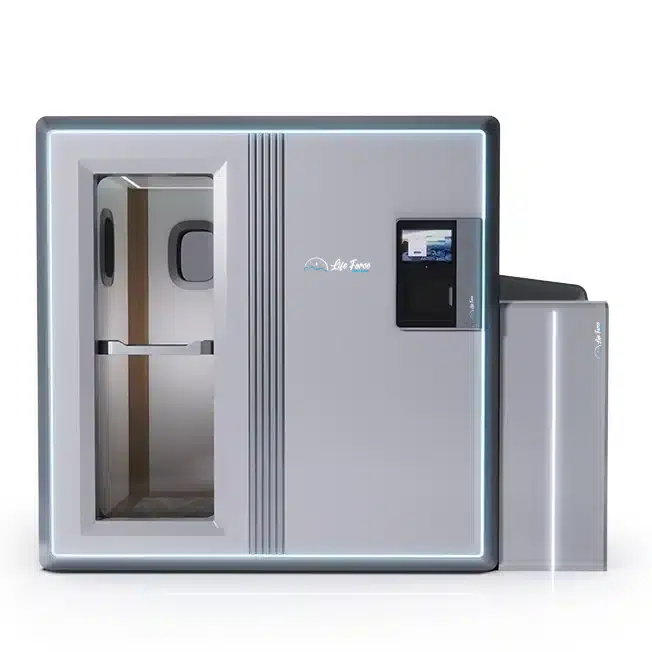
How Can a Commercial Hyperbaric Chamber Support Clinical Services?
September 23, 2026

Why Should You Consider Hyperbaric Medicine Training?
September 23, 2026

Why Choose Invisalign Aventura for Straighter Teeth?
September 22, 2026

How Can Core Pilates Houston Strengthen Your Core Muscles?
September 22, 2026

How Can Ayurvedic Treatment for Back Pain Provide Natural Relief?
September 21, 2026

How Can You Choose the Right Dentists Offices for Your Needs?
September 19, 2026

What Benefits Can You Expect From a Lower Facelift in Houston?
September 19, 2026
Latest - post



CONTACT US
Category
- blog (448)
- Bookkeeping (5)
- Business (367)
- driving (5)
- Environment (5)
- Health (21)
- Home (74)
- Industrial Equipment (1)
- IT Security & Payment Solutions (1)
- Marketing (8)
- Medical (13)
- Panto sunglasses (1)
- Relationship (4)
- Trade Show Displays (1)
- travel (17)
- Wedding Photography&Event (1)
